
Congo's Ebola outbreak passes 5,300 deaths as war cripples the response
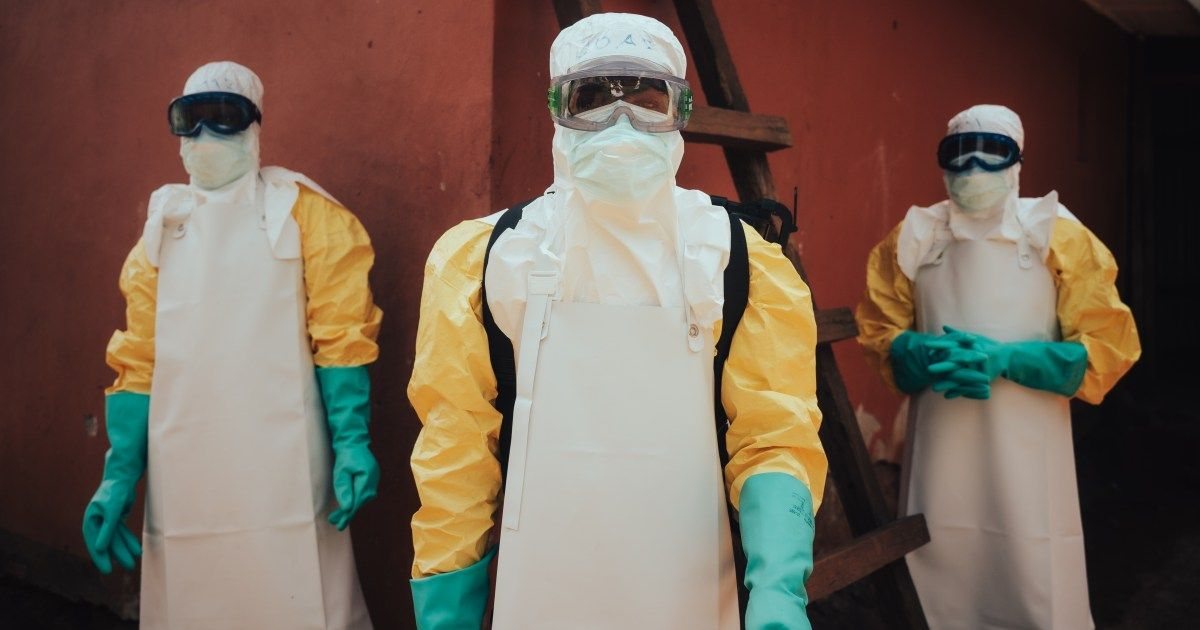
The Ebola outbreak in the Democratic Republic of Congo has now recorded more than 11,000 infections and over 5,300 deaths, according to Al Jazeera. That means close to half of those infected have died. Armed conflict and a weak health system are making the virus harder to contain.
It is the largest and deadliest Ebola epidemic in Congo's history. It is also the second worst ever recorded worldwide, behind only the 2014–2016 West African outbreak, which killed more than 11,000 people, according to the World Health Organization.
Most deaths happening outside clinics
Medecins Sans Frontieres (MSF) reported on November 12 that nearly two-thirds of Ebola-related deaths reported over the previous month occurred in communities rather than treatment centres.
This suggests the surveillance system meant to anchor the response is missing most infections. Many people are dying at home among relatives, which risks fuelling further transmission.
A strain with no approved vaccine
The outbreak is driven by the rare Bundibugyo virus. Unlike the more common Zaire strain, it has no approved vaccine or specific treatment.
Clinical trials have recently started using Ervebo, a vaccine proven against the Zaire strain. Researchers are also working to develop a vaccine aimed specifically at Bundibugyo.
The outbreak was first detected in May in Ituri province. Experts believe the virus may have been circulating there undetected since February. It has since reached eight of the country's 26 provinces.
Cases have also been reported in Uganda, Kenya and Nigeria. Africa CDC Director-General Jean Kaseya has described it as the most geographically widespread Ebola outbreak in the continent's history.
Violence scatters patients
Insecurity in eastern Congo has repeatedly disrupted containment efforts. On November 6, armed men attacked the village of Cantine, about 50km west of Beni in North Kivu province.
Authorities and civil society groups say at least 33 people were killed and more than 50 houses were set alight. The attackers also lit a fire near a health post. Around 180 patients fled, among them several suspected Ebola cases and at least one confirmed case.
Local authorities blamed the Allied Democratic Forces (ADF), an ISIL-affiliated group, rather than the Rwanda-backed M23 rebels. Roughly 100 armed groups operate in eastern Congo. The conflict there is estimated to have claimed six million lives since 1996, and more than five million people are displaced across Ituri, North Kivu and South Kivu.
Life and death in the red zone
Health workers describe overwhelming conditions. On July 21, Belgian MSF doctor Emily Vandamme entered the suspect ward at the Elikya Ebola treatment centre in Bunia with a Congolese colleague, Daniel Lomonobo Anigiza. The two doctors were confronted with four emergencies at once.
A woman named Mave, who had just given birth, died from heavy bleeding. Her newborn daughter survived the moment and was handed to a nurse who had previously recovered from Ebola. A young man collapsed and died shortly after appearing to recover.
A 17-month-old boy, Bahati Prince, improved after Vandamme gave him glucose and fluids. Days later, however, he was found dead, presumably from a sudden drop in blood sugar.
"Ebola is horrifically ruthless," Vandamme told Al Jazeera.
Mistrust and stigma
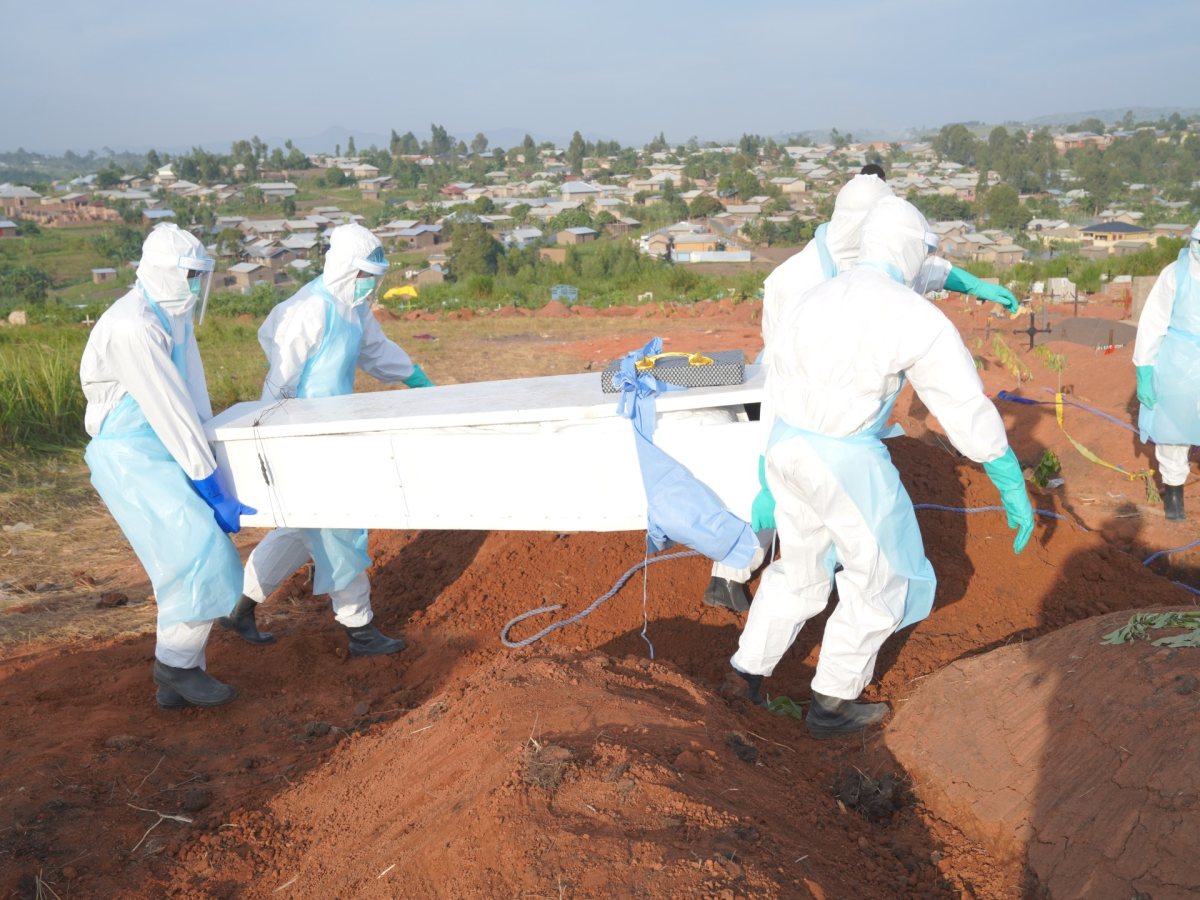
Congolese physician Alex Bonane Murutsi survived an 18-day battle with the Bundibugyo virus earlier this year and now works at the Bunia centre. He said some families resist safe burials, which conflict with traditional funeral rites, while survivors face stigma.
Murutsi said poor early communication left many people unsure why certain measures were needed. In one case, a colleague at a rural health post was assaulted after raising suspicion of Ebola in a patient. He noted, however, that trust is stronger in Bunia, where local health workers engage directly with residents.
This story was prepared by the Hamasta Newsdesk with AI assistance, based on reporting by Al Jazeera. Read the original report. Photo: Al Jazeera.



Grow an audience that listens.
Social media management, digital campaigns and online storytelling that converts.



More in Health
See all
Congo's Ebola outbreak still out of control six months on, with over 11,000 cases
Is Kenya ready for Ebola? 244 beds, donor money and no vaccine for the Bundibugyo strain
Ebola deaths in DR Congo pass 5,000 as WHO calls it a 'tragic milestone' and the virus reaches eight provinces
Israeli strike on MSF clinic in Gaza City kills two watchmen, aid group says
WHO chief urges peace as fighting near Ituri hospital disrupts DR Congo Ebola response
Global Community Remarks
0