
IEBC, Oppoaition Clash Over Livestreaming Of 2027 Election Results

Disagreement over proposed live broadcasting of election results raises questions about transparency, accountability and the electoral commission's preparedness ahead of the August 10, 2027 General Election.
The Independent Electoral and Boundaries Commission (IEBC) and opposition leaders have differed over proposals to livestream election results ahead of Kenya's August 10, 2027 General Election, with the two sides presenting contrasting views on how the process should be conducted.
The disagreement centres on whether results announced at polling stations should be made publicly accessible in real time through a livestreaming system or an online results portal. The debate has also drawn Parliament into a legislative dispute over amendments to the Elections Act.
IEBC cites financial and logistical challenges
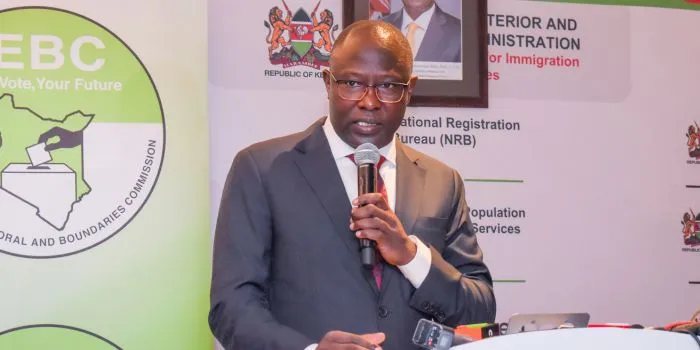
Speaking in Nairobi on November 24, 2026, IEBC Chairperson Erastus Edung Ethekon said livestreaming video coverage from more than 55,000 polling stations would require significant financial investment, additional personnel and specialised equipment.
Ethekon maintained that the commission already has a results management framework that provides for electronic transmission, public access to results through an online portal and media access to election information. He added that the commission was already facing funding constraints ahead of the 2027 polls.
Opposition demands real-time public access
The opposition, under the People's Coalition on Electoral Reforms, has maintained that livestreaming should complement electronic transmission rather than be replaced by it.
The coalition argues that an open online portal should allow voters, political parties, election observers and media organisations to access scanned Form 34A results and voter turnout figures as soon as they are transmitted from polling stations.
Opposition leaders, including former Deputy President Rigathi Gachagua, Martha Karua and former Attorney-General Justin Muturi, have also questioned the need for a centralised national tallying centre.
Parliamentary disagreement complicates preparations
The debate has extended to Parliament, where the Senate and National Assembly have disagreed over Clause 22 of the Elections (Amendment) Bill, 2024, which addresses livestreaming of election results.
On November 25, 2026, the Senate rejected amendments made by the National Assembly, setting the stage for a mediation process to establish a common position before the legislation can proceed.
The disagreement comes as the electoral commission prepares for the August 10, 2027 General Election, with stakeholders calling for clear legal provisions governing the transmission, verification and announcement of results.
Public confidence at stake
The debate has renewed attention on the credibility of Kenya's electoral process, particularly the need for transparent results management and public confidence in the final outcome.
The outcome of the proposed legislative mediation and discussions between the IEBC and political stakeholders is expected to influence how election results will be accessed and communicated during the 2027 polls.




Know what people say about you.
Media monitoring, audience insights and strategic communication for your brand.


More in House politics
See all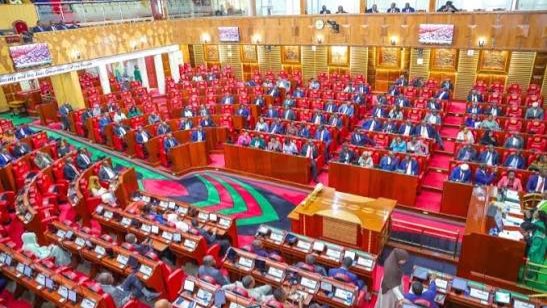
Senate and National Assembly clash over livestreaming of election results
IEBC Cites Cost of 50,000 Cameras as It Questions Livestreaming 2027 Polls
Ruto dismisses livestreaming ban claims as 'fake news' as Matiang'i, Nyoro urge Kenyans to reject Elections Bill

Livestreaming row heads to court as opposition vows polling-station tallies and Kindiki says State won't make 2027 vote 'opaque'

IEBC: Polling station results to be final in 2027, national tally centre in Nairobi
Global Community Remarks
0