
Bee 'hotels' turn South African city dwellers into citizen scientists
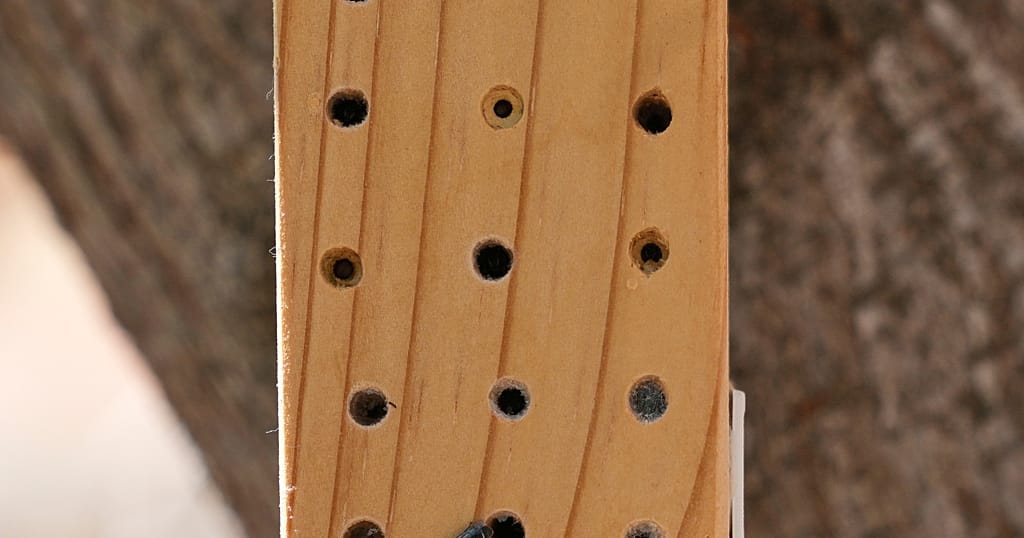
Hundreds of residents in Johannesburg and Cape Town have become hosts to some of the world's smallest guests, installing wooden "bee hotels" at home to help scientists understand how solitary bees survive in cities, according to Africanews.
The effort is part of UrbanBEE, a research project whose South African campaign is coordinated by Sage Naidoo at the University of the Witwatersrand. Each volunteer looks after a box made of untreated pine, drilled with small holes, and regularly sends in photographs of whatever moves in.
Studying bees and people
Naidoo told Africanews the project has two aims: mapping the diversity and patterns of solitary bees in urban areas, and testing whether small, hands-on activities can help people reconnect with nature. He noted that research shows urbanisation has reduced the amount of nature people encounter every day.
Solitary bees, he suggested, are an aspect of biodiversity that few people know much about. Unlike honeybees, which live in managed colonies, most of the more than 20,000 known bee species worldwide live alone. South Africa has about 1,300 species, many of which nest underground or in cavities in wood and hollow plant stems.
Volunteers can often tell which bee has checked in by how it seals the nest. Leafcutter bees, a favourite among participants, plug the holes with plant material, leaving flashes of green or petals in purple and red. Carder bees, also called mud bees, use soil, leaving seals in varying shades of mud.
Finding the perfect spot
For Johannesburg banking analyst Celia Haupt, hosting bees has meant paying close attention to small details. After experimenting, she placed her hotel where it catches the morning sun, warming the bees early in the day while sparing them the fierce afternoon heat.
Her hotel stood empty for weeks at first. Weekly updates comparing occupancy levels created a friendly rivalry among volunteers, but also a sense of community. Haupt said she felt she was doing something valuable as part of a wider group sharing "the same angst about not having any residents" and the joy when guests finally arrived.
Fellow Johannesburg participant Guinivere Pedro described the experience as life-changing. She said learning to notice small things had enriched her life and led her to take up birding courses.
Participants were also encouraged to plant plenty of flowers and leave parts of their gardens undisturbed. Pedro said the diversity of her garden grew considerably as a result, bringing an explosion of colour to her small space.
From pandemic project to international study
UrbanBEE grew out of an earlier initiative during the Covid-19 pandemic that involved 347 Johannesburg residents and was led by Wits researcher Chevonne Reynolds.
The expanded programme is funded by Biodiversa+, a partnership backed by the European Union, and runs parallel studies in Budapest, Turin and Vienna. Comparing results from African and European cities could reveal how climate, vegetation, development and socioeconomic conditions influence bee diversity, as well as how collecting data changes the way people value urban nature.
Naidoo said he hoped the project would leave people with a greater appreciation of the unseen diversity around them and encourage them to spend more time outdoors, reconnecting with parts of the natural world they have lost touch with.
This story was prepared by the Hamasta Newsdesk with AI assistance, based on reporting by Africanews. Read the original report. Photo: Africanews.




Know what people say about you.
Media monitoring, audience insights and strategic communication for your brand.


More in Environment
See all
Kenya named in climate science row slowing talks at COP31 in Antalya

Zanzibar fire destroys six hotels and 40 shops in Nungwi, 183 tourists evacuated
Konza Technopolis to Host Kenya's First Biopharma Life Sciences Park
South African cities tighten water curbs as strong El Niño raises drought fears

Wageningen University opens fully funded master's scholarships for African students

Global Community Remarks
0