
TOM MBOYA: Remembering a Brilliant Mind, a Nationalist and a Visionary Whose Life Was Cut Short

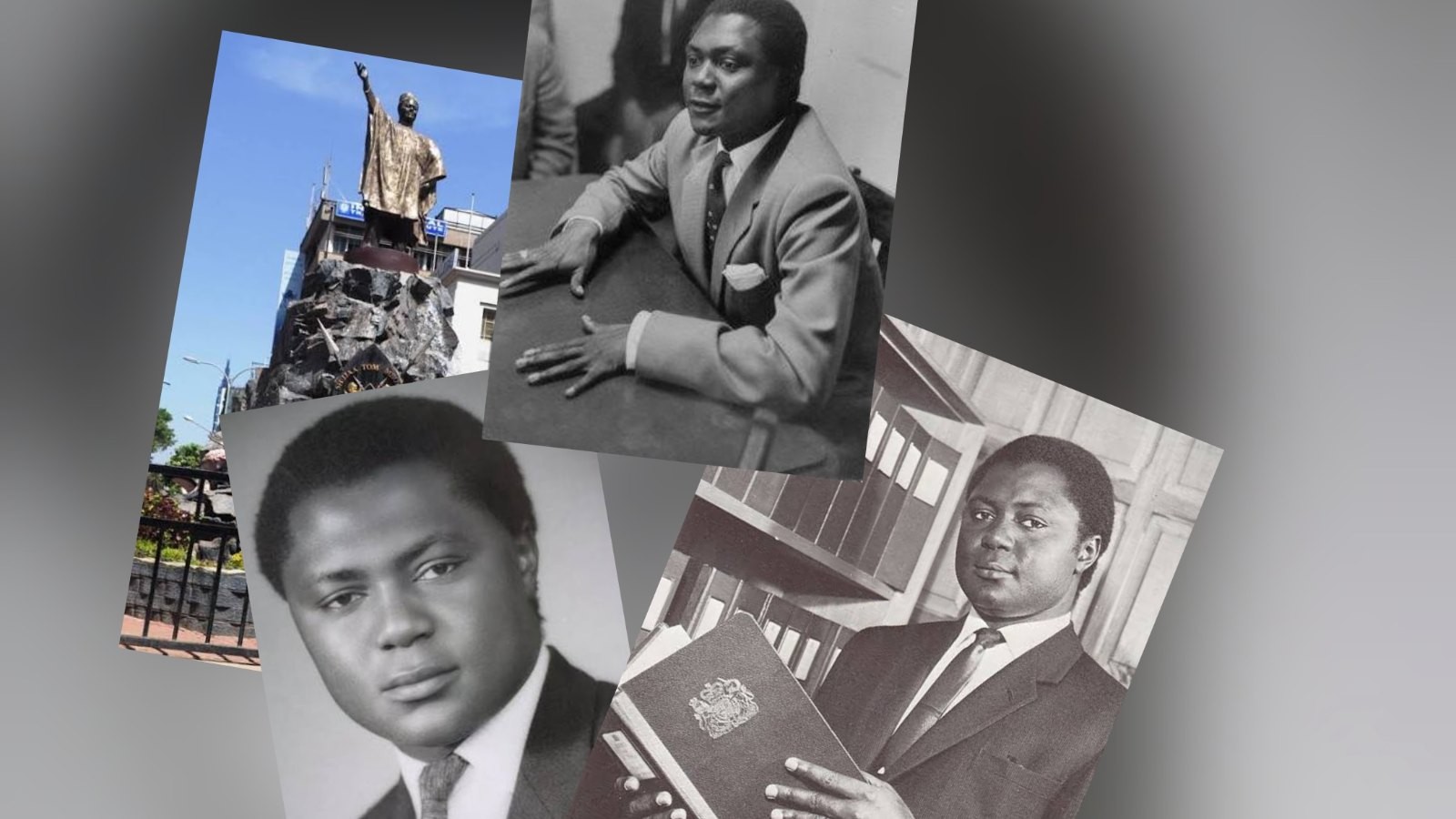
Thomas Joseph Odhiambo Mboya (15 August 1930 – 5 July 1969) remains one of the most influential figures in Kenya's history. He was a trade unionist, politician, freedom fighter, intellectual and statesman whose contribution to Kenya's independence and early development continues to shape the country decades after his death.
His life was a story of ambition, courage, intelligence and extraordinary political influence. Yet it was also a story of political rivalry, controversy and an untimely death that robbed Kenya of one of its most promising leaders.
Early Life and Education
Tom Mboya was born on 15 August 1930 at Kilimambogo, near Thika, in present-day Kiambu County, during British colonial rule. He was born into a humble family. His parents, Leonardus Ndiege and Marcella Awuor, worked on a sisal plantation, where life was characterised by economic hardship and limited opportunities.
Despite their modest circumstances, his parents valued education and ensured that he attended school. He studied at several Catholic mission schools, including St Mary's School Yala and Holy Ghost College, later known as Mang'u High School.
He subsequently trained as a sanitary inspector at the Royal Sanitary Institute's Medical Training School in Nairobi, qualifying in 1950. In 1951, he joined the Nairobi City Council as a sanitary inspector.
However, his ambitions extended far beyond his professional career. He was increasingly concerned about racial discrimination, poor working conditions and the unequal treatment of African workers under colonial administration. These experiences helped shape his political consciousness and pushed him towards trade unionism and the struggle for independence.
Achievements and Contribution to Kenya
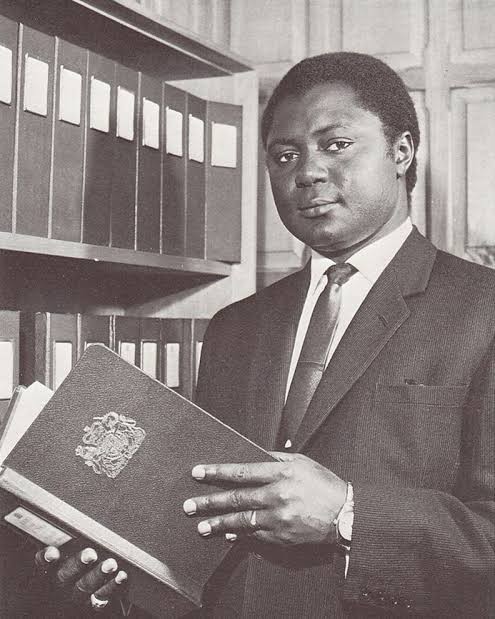
One of Mboya's greatest contributions was his leadership in the trade union movement. At a relatively young age, he became a powerful voice for African workers, advocating for better wages, improved working conditions and equal treatment.
He helped establish the Kenya Local Government Workers' Union and later became Secretary-General of the Kenya Federation of Labour. Through organised labour, he challenged colonial injustices and gave African workers a platform to demand their rights.
Mboya also played a significant role in Kenya's independence struggle. In 1957, he was elected to the Legislative Council, becoming one of the leading African political representatives. He later helped establish the Kenya African National Union (KANU), serving as its first Secretary-General.
He was also among the prominent African leaders involved in the negotiations that eventually led to Kenya's independence in 1963.
Perhaps one of his most remarkable achievements was the African Student Airlift Programme of the late 1950s and early 1960s. Working with American supporters and organisations, he helped secure educational opportunities for hundreds of East African students to study in the United States and Canada.
The programme opened doors for a generation of African professionals, intellectuals and leaders. Among its beneficiaries was the late Nobel Peace Prize laureate Wangari Maathai.
Following independence, Mboya served in several important government positions, including Minister for Labour, Minister for Justice and Constitutional Affairs, and ultimately Minister for Economic Planning and Development.
He was instrumental in shaping Kenya's economic direction, particularly through the development of policies associated with Sessional Paper No. 10 of 1965, which outlined the country's approach to African socialism and economic development.
His intelligence, international connections, public speaking ability and political organisation made him one of the most recognisable Kenyan leaders of his generation.
Failures, Controversies and Political Challenges
Despite his remarkable achievements, Tom Mboya's political career was not without challenges and criticism.
One of the major criticisms surrounding his political life was his close association with Western countries, particularly the United States, during the Cold War. Some African nationalists viewed his Western connections and political orientation with suspicion, arguing that Kenya needed a more independent ideological direction.
His political ambition and growing national influence also generated tension within the political establishment. He was widely regarded as a potential future presidential contender, and his relationship with other influential political figures was sometimes complicated by competition for power and influence.
Mboya also operated within the political structures of the ruling KANU government, which increasingly faced criticism over the concentration of political power, restrictions on opposition and the narrowing of democratic space after independence.
As a senior government minister, he was part of an administration that struggled with issues of inequality, political competition and national unity.
His economic vision, although influential, did not eliminate poverty or address the unequal distribution of opportunities that continued to affect many Kenyans.
It is, however, important to distinguish between his personal shortcomings, the limitations of the government he served and the broader challenges facing a newly independent country. His achievements were significant, but he was not without political contradictions.
His Assassination: A Nation in Shock
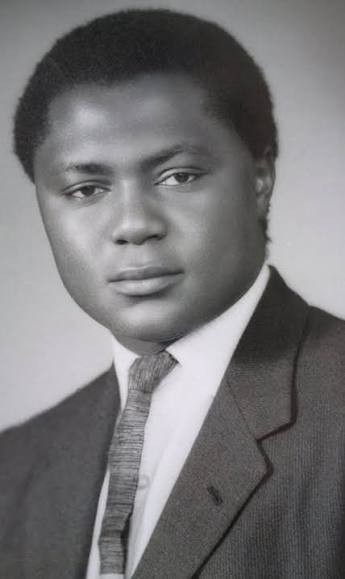
On 5 July 1969, Kenya suffered one of the darkest moments in its post-independence history.
Tom Mboya was assassinated in Nairobi while leaving a pharmacy along Government Road, now Moi Avenue. He was shot at close range and died from his injuries.
He was only 38 years old.
His assassination sent shockwaves across the country. Thousands of Kenyans were devastated, and his death triggered widespread protests and unrest, exposing deep political and ethnic divisions within the young republic.
A man named Nahashon Isaac Njenga Njoroge was arrested, convicted and executed for the murder. However, questions about whether he acted alone, who may have ordered the assassination and the wider political circumstances surrounding the killing have remained subjects of historical debate.
His death deprived Kenya of a leader whose political future appeared exceptionally promising. Many believed he had the intellectual capacity, international standing and leadership qualities to occupy the highest office in the country.
Whether he would eventually have become president remains a matter of speculation, but there is little doubt that his death significantly altered Kenya's political history.
Legacy: A Life That Continues to Inspire
More than five decades after his assassination, Tom Mboya remains an important figure in Kenya's national memory.
His legacy lives on through his contribution to the labour movement, the independence struggle, education and economic planning. His role in the student airlift programme remains particularly significant because it demonstrated his belief that education was one of the most powerful instruments for transforming African societies.
The Tom Mboya Mausoleum on Rusinga Island stands as a memorial to his life and contribution, while his statue along Moi Avenue in Nairobi serves as a reminder of a leader whose life ended violently on the very streets where he had built his political career.
His story reminds us that leadership is not simply about occupying public office. It is about ideas, courage, service, sacrifice and the ability to influence generations beyond one's lifetime.
Tom Mboya was not a perfect leader, and his political journey had its contradictions. But his contribution to Kenya's history cannot be dismissed. He was a man of extraordinary intellect and ambition who believed in a Kenya where education, opportunity and economic progress could transform lives.
He died young, but his ideas, achievements and unfinished political journey remain part of the national conversation.
May his memory continue to inspire generations of Kenyans to pursue leadership founded on knowledge, courage, national unity and service to humanity.
Historical references: Kenya National Archives, Kenya Yearbook Editorial Board and the Oxford Dictionary of National Biography. Google Arts & Culture


Take your event live to thousands.
Multi-camera live streams, panel discussions and digital broadcasts with professional crews.




Read also

Court of Appeal clears way for sale of KANU's Nanyuki property as tenants lose bid
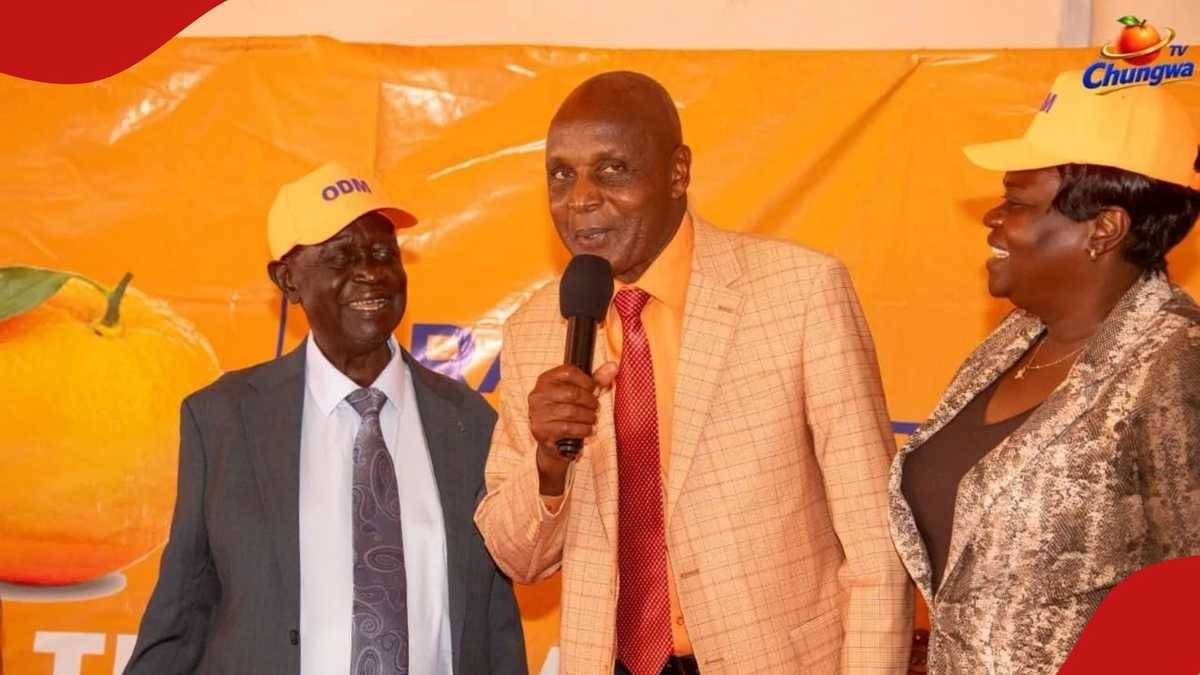
Former Bureti MP Paul Sang quits KANU for ODM ahead of 2027 polls

Kanu v Wanyama under the Nyayo lights: Arsenal send a 24-man legends squad to face Harambee Stars greats on Friday
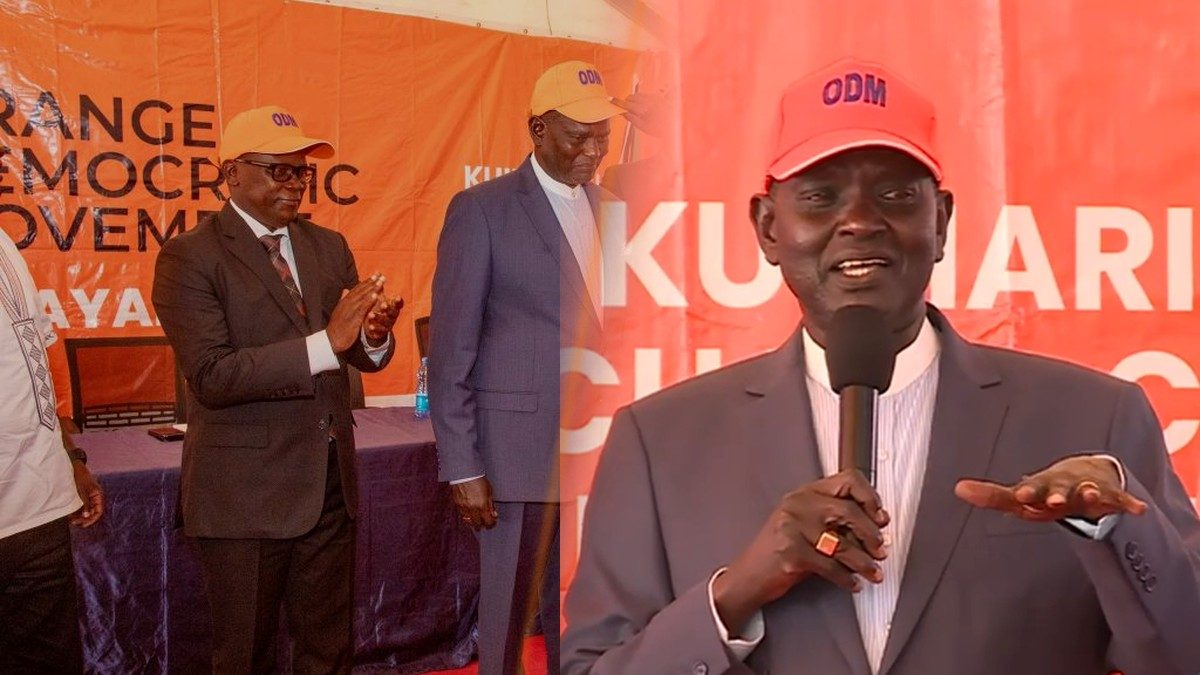
Poghisio dumps KANU for ODM to chase West Pokot governorship, setting up three-way fight with Lonyangapuo and Pkosing
Flagship Biography: William Samoei Arap Ruto
'Aliens, non-entities and non-existent': Kenya Golf Federation takes over the game after court finds golf unions were never registered
Global Community Remarks
0