
Eisenkot cool on unity government with Netanyahu after Tel Aviv talks
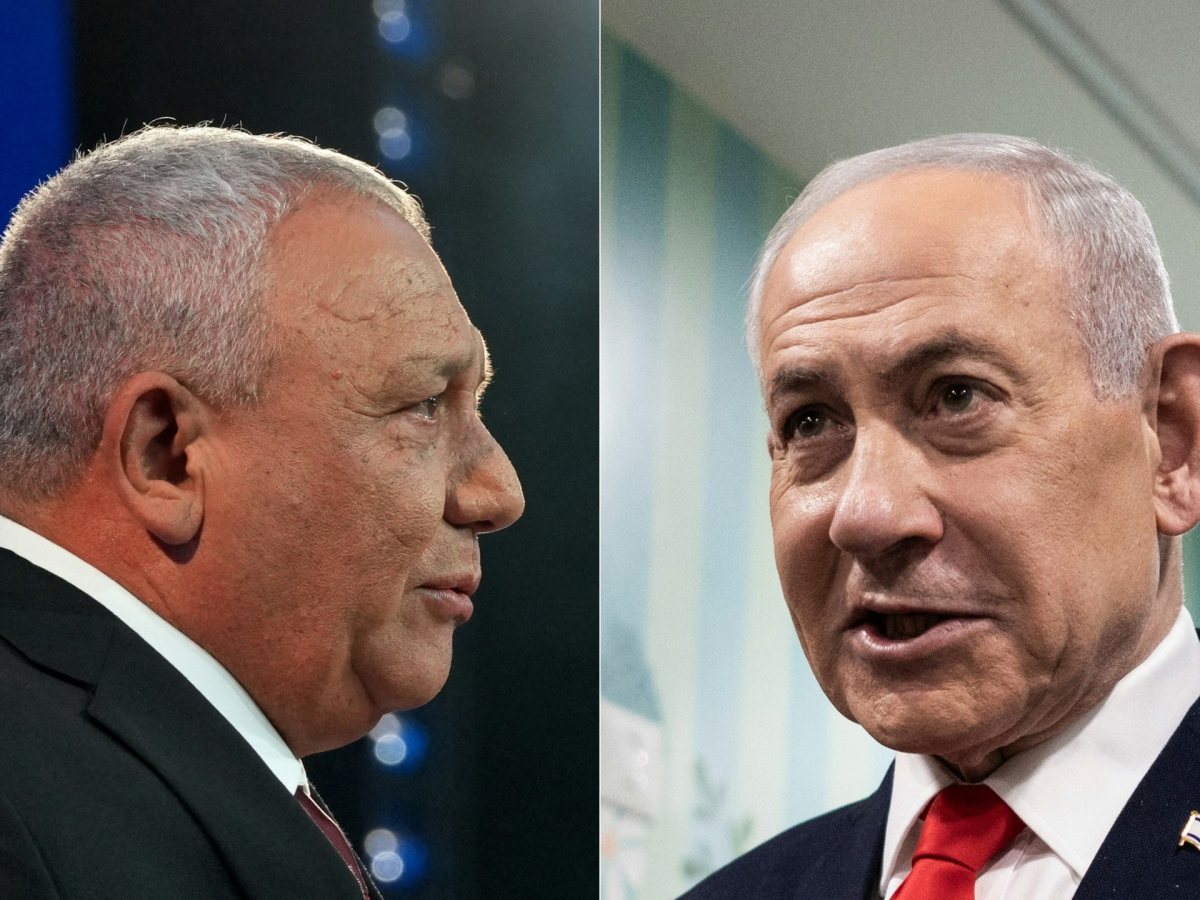
Israeli opposition leader Gadi Eisenkot has signalled that he is unlikely to form a unity government with caretaker Prime Minister Benjamin Netanyahu, despite an offer from the veteran Likud leader to temporarily give up the premiership, according to Al Jazeera.
The two men held a two-hour meeting in Tel Aviv on Sunday, their second encounter this month. The earlier meeting had been described as a security briefing for Eisenkot, who leads the Yashar party.
In a joint statement after the talks, the pair described the discussion as "businesslike", saying both sides were trying to narrow what they called substantial differences.
No further meetings planned
A spokesperson for Eisenkot confirmed reports that no more meetings between the two had been scheduled. Israel's Channel 12 news reported that Eisenkot told Netanyahu he was committed to his partners in the opposition bloc, and that the prime minister was welcome to join once a government had been formed.
The remarks have fuelled speculation that the former army chief may instead attempt to put together a minority government.
Netanyahu's rotation offer
Sunday's meeting followed a statement by Netanyahu on Saturday in which he said he was prepared to temporarily hand over power in a unity government led by Eisenkot, taking the second slot in a rotation arrangement.
Netanyahu argued that Likud, as the largest party in parliament, would normally be expected to lead such a government, but said he was willing to set that principle aside given the security threats facing Israel.
Eisenkot welcomed the prospect of negotiations but cast doubt on whether Netanyahu was genuinely willing to compromise. He has accused the prime minister of deliberately dragging out talks in order to force another election, which would keep Netanyahu in office as caretaker.
December deadline
Eisenkot has until 6 December to secure a majority in the 120-seat Knesset. His efforts have been complicated by disputes over whether to include parties led by Palestinian citizens of Israel and ultra-Orthodox Jewish parties.
Both Netanyahu's and Eisenkot's blocs have refused support from Palestinian-Israeli parties, even though those parties won a record 19 seats in the most recent election, Al Jazeera reported.
Yousef Jabareen, head of the Joint List alliance representing Palestinian citizens of Israel, said he was ready to join a coalition led by Eisenkot and urged that there be no unity talks with Netanyahu. Writing on X, he said:
"Every additional day, every additional hour and every additional minute that Netanyahu remains in power constitutes an existential threat to our community."
Military draft dispute
Bringing ultra-Orthodox parties on board could prove even harder for Eisenkot because of long-running disagreements over whether ultra-Orthodox men should be required to serve in the military.
The Knesset recently voted down a bill that would have frozen arrests of ultra-Orthodox men who evade the draft. Eisenkot's bloc opposed the measure, while Netanyahu and his allies voted in favour, underlining the gap between the opposition leader and parties whose backing he may need.
With the deadline approaching and no further talks with Netanyahu planned, it remains unclear whether Eisenkot can assemble a working majority or whether Israel could be heading towards another election.
This story was prepared by the Hamasta Newsdesk with AI assistance, based on reporting by Al Jazeera. Read the original report. Photo: Al Jazeera.
Every moment, captured beautifully.
Events, corporate portraits, products and editorial shoots by our newsroom photographers.






More in International
See all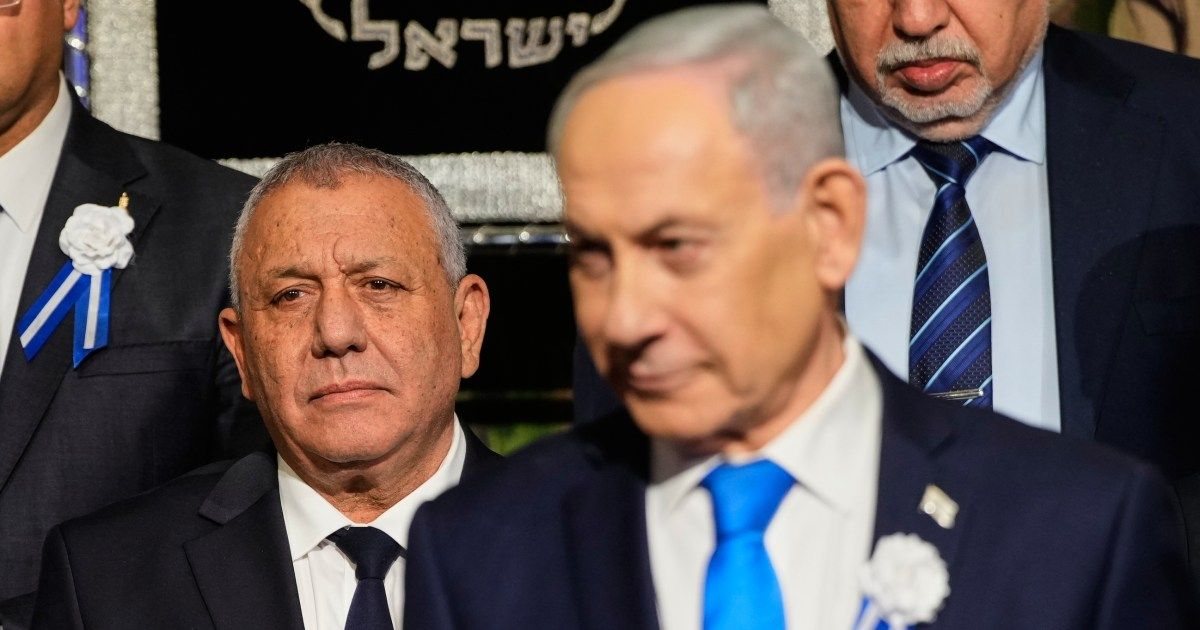
Israel unity government talks stall as Eisenkot accuses Likud of running down the clock
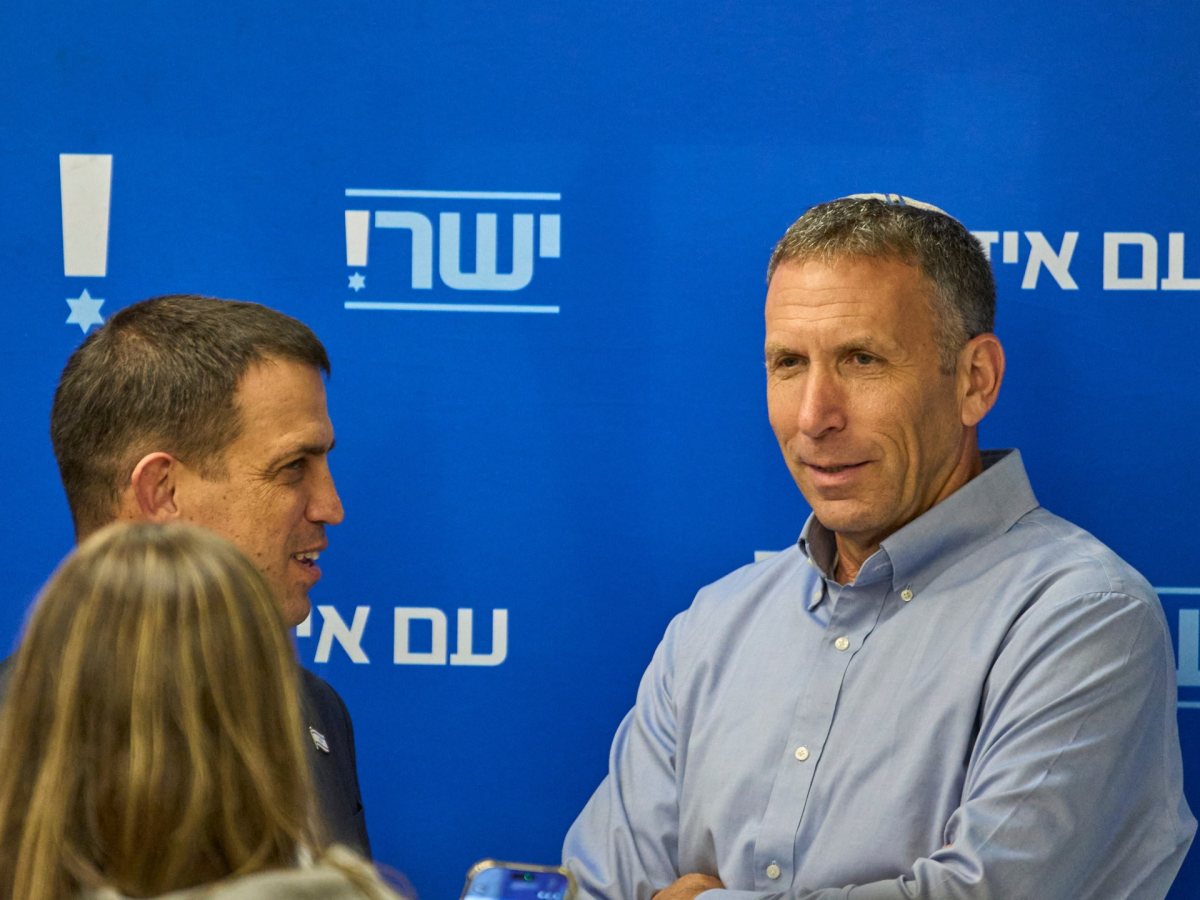
Eisenkot ally Matan Kahana elected Israel's Knesset speaker, defeating Netanyahu pick
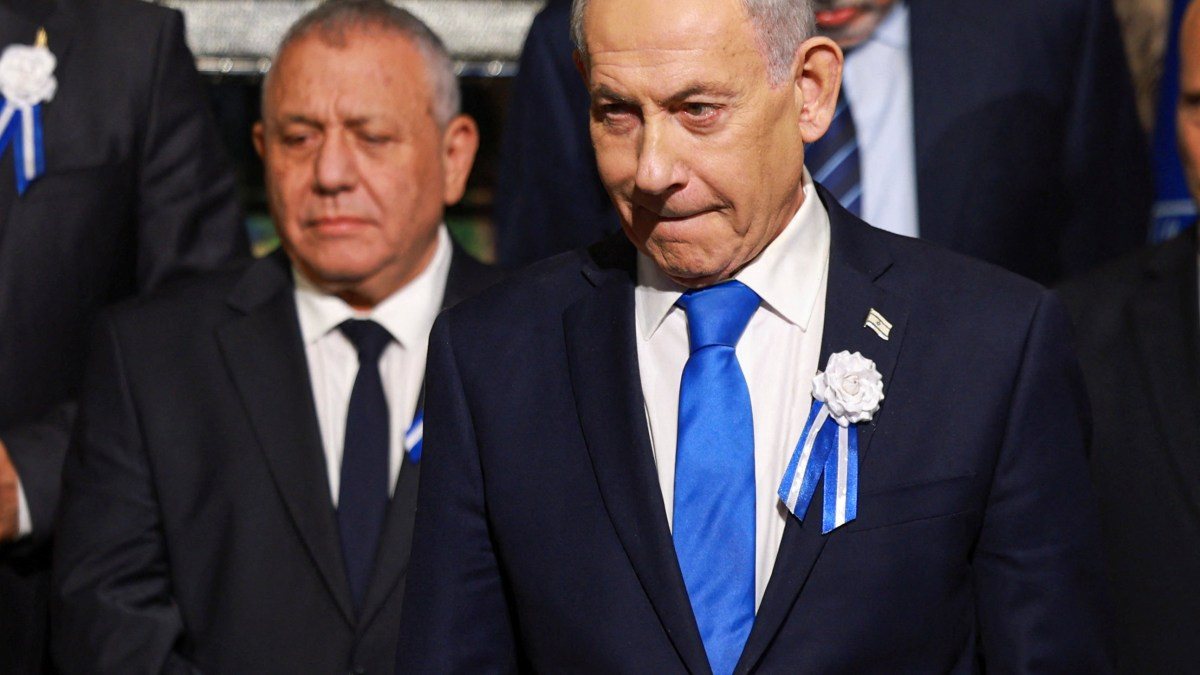
Eisenkot invites Netanyahu to urgent talks after rotating premiership offer
Netanyahu offers Eisenkot first turn as PM in bid to break Israel's coalition deadlock
Eisenkot invites Netanyahu's Likud to 'marathon' Israeli coalition talks
Global Community Remarks
0