
Eisenkot accuses Netanyahu's Likud of stalling Israel coalition talks
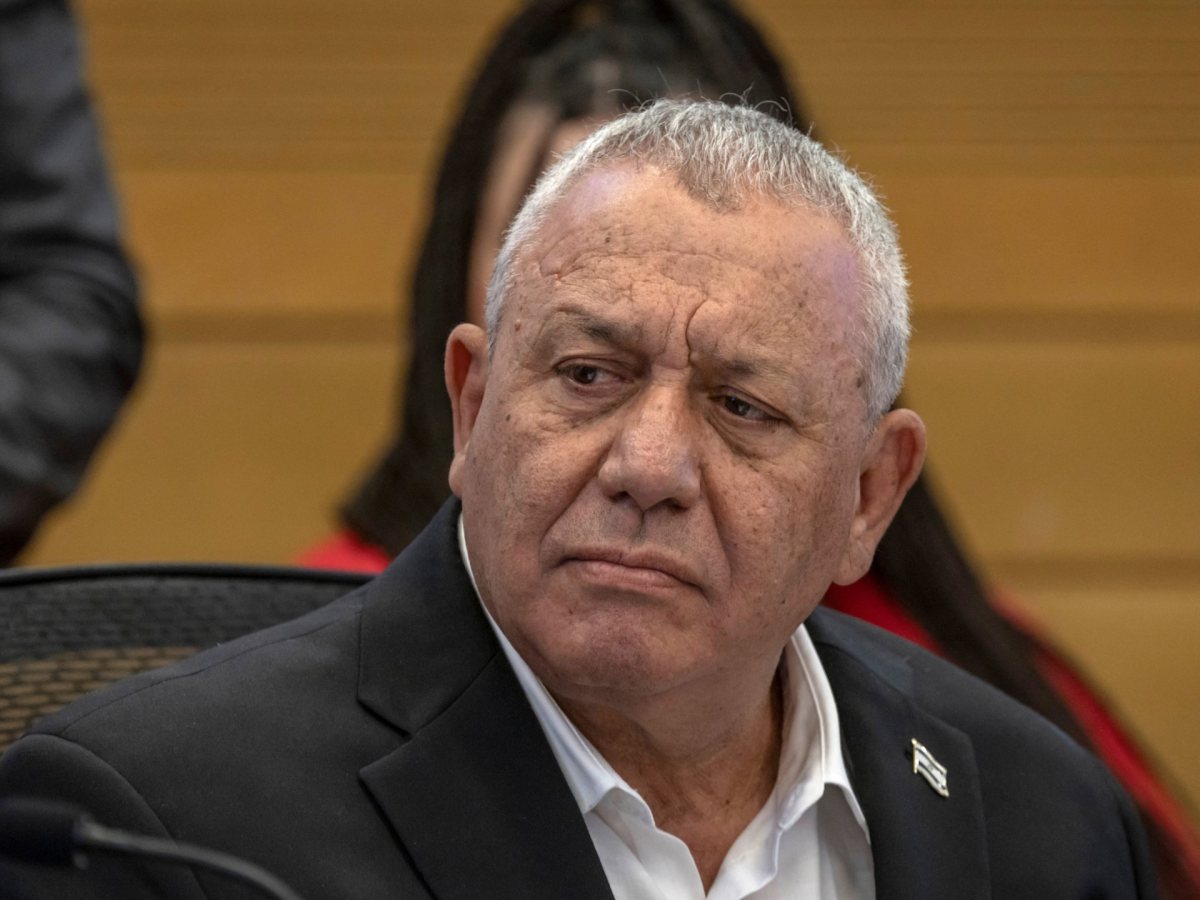
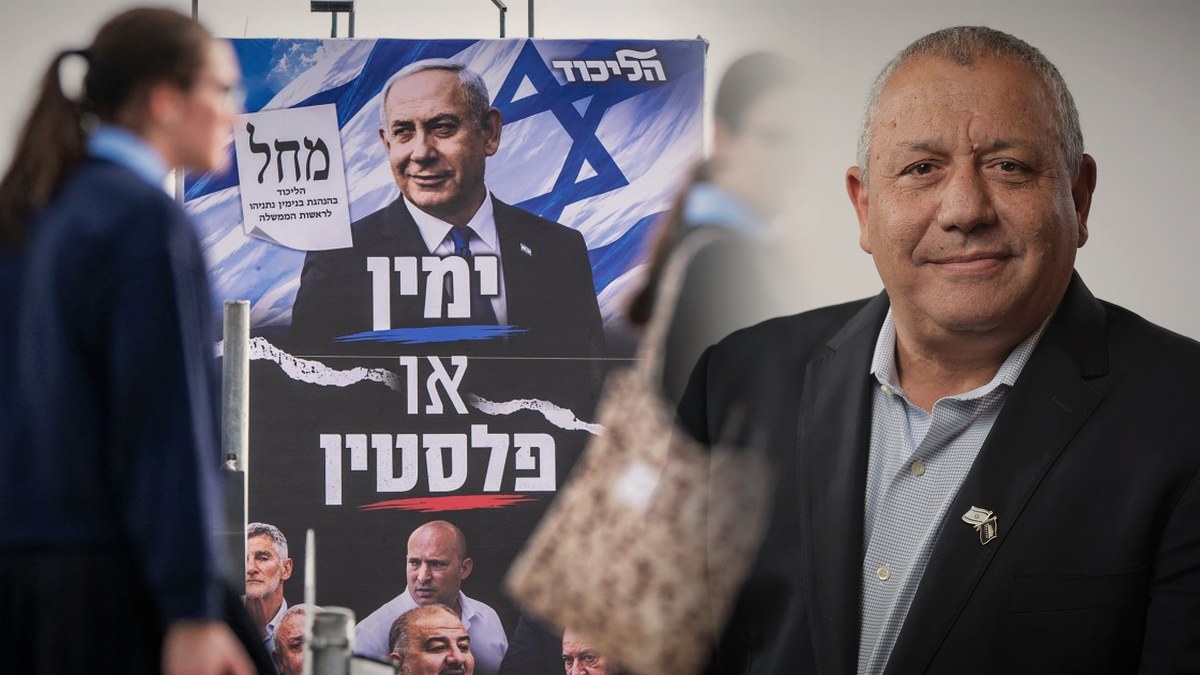
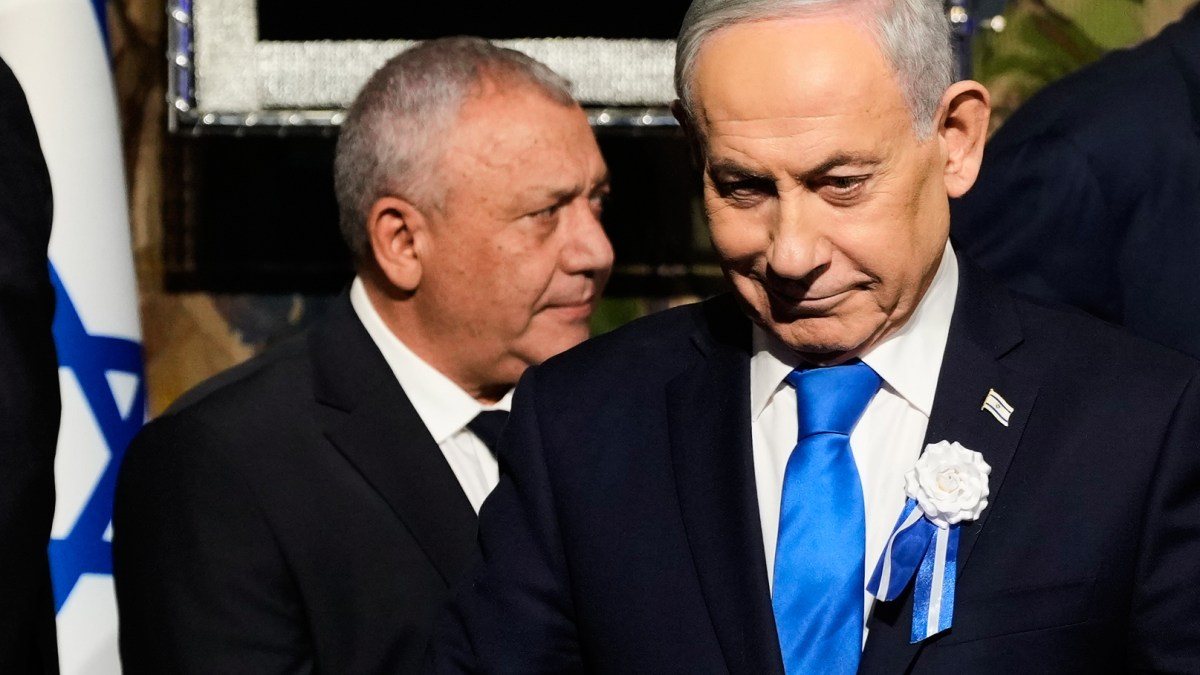
Gadi Eisenkot, the Israeli politician tasked with forming the country's next government, has accused caretaker Prime Minister Benjamin Netanyahu's Likud party of deliberately dragging out coalition negotiations so that Israel heads back to the polls, according to Al Jazeera.
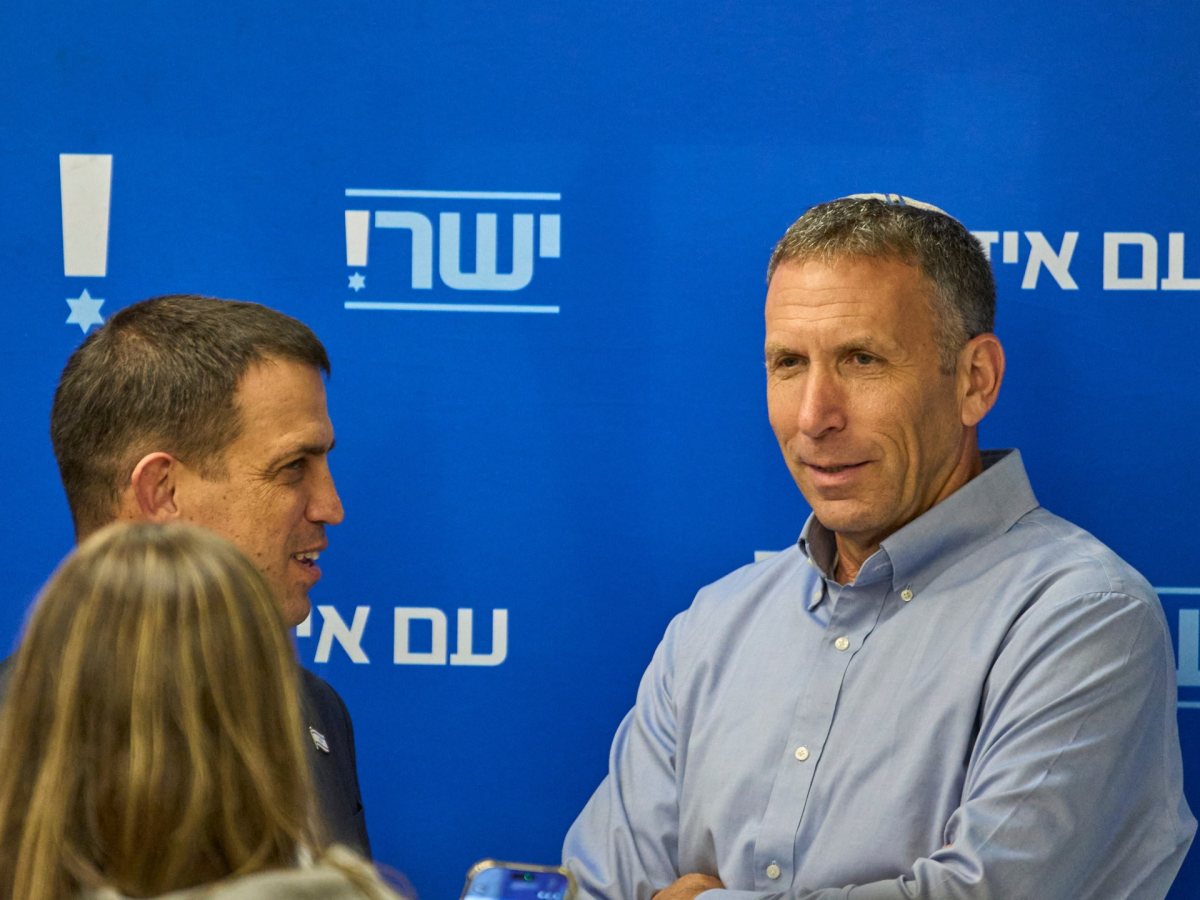
Eisenkot leads the centrist Yashar party. He was asked by Israel's president to assemble a government after the October 27 election, but he has so far been unable to secure a governing majority.
In a statement issued on Friday, he said Likud had spent two weeks in talks without offering a single concrete proposal. He argued that the party's behaviour was aimed at letting his mandate lapse, breaking up the so-called Change bloc and forcing a fresh vote while the outgoing government remains in charge.
A ticking deadline
Eisenkot has until December 6 to put together a government to replace Netanyahu. That deadline can be extended by a further 14 days.
The October vote did not hand either camp a clear majority in the 120-seat parliament. Eisenkot and the parties expected to back him won 48 seats, while Netanyahu and his long-standing allies on the far right and among ultra-Orthodox parties took 53. Both blocs fell short of the 61 seats required to govern.
So far, Yashar has signed coalition agreements with two parties: the left-leaning Democrats and the right-wing Israel Beiteinu. Together, the three parties hold 36 seats, leaving Eisenkot well below the threshold for a parliamentary majority.
Unity talks with Likud
Negotiators from Yashar have also been exploring a national unity government that would bring Eisenkot's party and Likud together. Those discussions have yet to produce any breakthrough, Al Jazeera reports.
Eisenkot placed the blame squarely on Likud. He said the party was "unwilling to compromise" during the talks.
He framed the choice facing Netanyahu's party as one between genuine negotiations that require concessions on both sides, or continued delay while maintaining the appearance of engagement. He nonetheless left the door open, saying he remained willing to keep talking if Likud showed real readiness to change its approach.
Divisions within the Change bloc
Eisenkot's broad camp has itself been split over which path offers the best route to a majority. According to Al Jazeera, members have disagreed on whether to seek partnerships with ultra-Orthodox parties, to work with Arab-majority lists, or to pursue a unity arrangement with Likud.
Those internal differences have complicated his efforts to reach 61 seats, given that neither of the two main blocs can govern alone on the current numbers.
Likud responds
Likud, for its part, accused Eisenkot of trying to build what it described as a dangerous left-wing government. Despite that criticism, the party said it was still open to the idea of a unity government.
With the December 6 deadline approaching, the coming days are likely to determine whether Eisenkot can stitch together a workable coalition or whether Israel faces the prospect of yet another election under Netanyahu's caretaker administration.
This story was prepared by the Hamasta Newsdesk with AI assistance, based on reporting by Al Jazeera. Read the original report. Photo: Al Jazeera.
Every moment, captured beautifully.
Events, corporate portraits, products and editorial shoots by our newsroom photographers.






More in International
See all
Eisenkot invites Netanyahu's Likud to 'marathon' Israeli coalition talks
Likud and Eisenkot's Yashar end Israel coalition talks without a deal
Israel's Eisenkot wins Lieberman as first coalition partner in bid to form government
Eisenkot ally Matan Kahana elected Israel's Knesset speaker, defeating Netanyahu pick
Israel votes as Eisenkot challenges Netanyahu in first election since October 7
Global Community Remarks
0