
Israel's Eisenkot wins Lieberman as first coalition partner in bid to form government
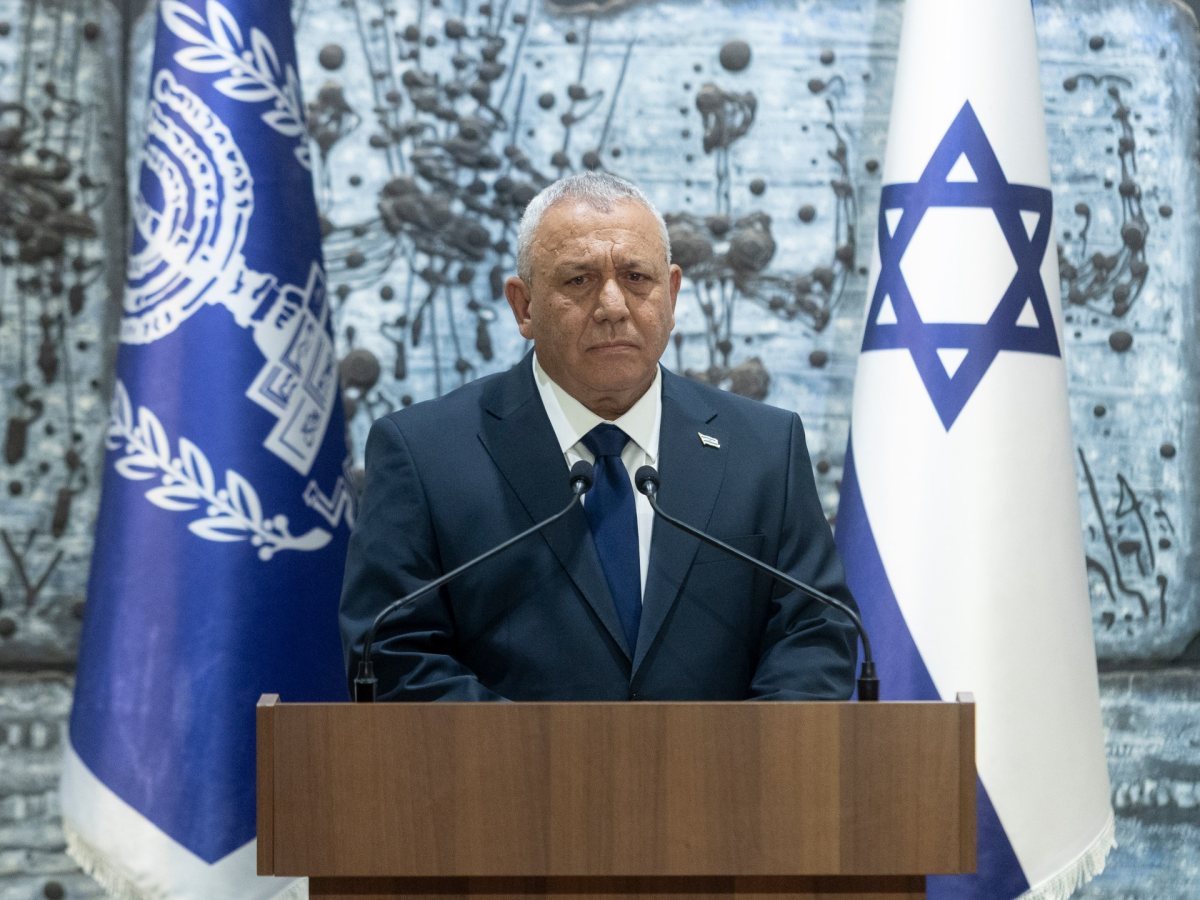
Former Israeli army chief Gadi Eisenkot has secured his first coalition partner in his attempt to form a new government, after his Yashar party agreed to sign a pact with Avigdor Lieberman's right-wing Our Home party, according to Al Jazeera.
Yashar announced the agreement on Tuesday following a meeting with Lieberman. It is the first alliance of its kind since the October 27 election, which left no party with the 61 seats needed for a majority in the 120-member Knesset.
A race against the clock
Israel's parliament was sworn in on November 10 without a new government in place. President Isaac Herzog then handed Eisenkot the task of building a coalition, while Benjamin Netanyahu continues to serve as caretaker prime minister despite losing his majority in the vote.
Eisenkot has a 28-day mandate that runs until December 6, and he may request a 14-day extension. Should he fail, Netanyahu would get a chance to form a government. If neither succeeds, Israelis would return to the polls next year.
An unexpected deal
Yashar won 21 seats in the election, while Lieberman's party took seven. Al Jazeera described the pact as unforeseen, because Lieberman has spoken out against forming a government that relies on backing from Arab parties, and has also opposed a unity government with Netanyahu.
Lieberman once served as foreign minister in an earlier Netanyahu government but has since become one of his strongest critics.
The numbers game
Netanyahu's Likud, running in alliance with far-right and ultra-Orthodox parties, did better than expected in the election but still fell short of a majority. The bloc now controls 53 seats.
Eisenkot's centre-right Yashar and its assortment of coalition partners, including Lieberman, hold only 48 seats between them. Parties representing Israel's Arab minority, which together hold 19 seats, are seen as potential allies, as they share Eisenkot's strong opposition to Netanyahu.
However, the arithmetic is complicated by Lieberman's stated objection to depending on Arab parties for support.
Unity talks cause friction
Eisenkot and some of his partners in the so-called "change bloc" are also holding talks with Likud about a possible unity government.
Those discussions have already cost him support on the left. The Democrats party, which won eight seats, said it was suspending its own negotiations with Eisenkot because of his contacts with Netanyahu's party.
Democrats leader Yair Golan said he would rather see a government that excludes Netanyahu but includes Arab parties.
What comes next
- Eisenkot must assemble a 61-seat majority by December 6, or by a later date if he receives an extension.
- If he fails, Netanyahu will be given the opportunity to form a government.
- If no candidate succeeds, Israel will hold another election next year.
The coming weeks will test whether Eisenkot can bridge the deep divisions among Netanyahu's opponents, or whether pressure for a unity arrangement with Likud will reshape the political landscape.
This story was prepared by the Hamasta Newsdesk with AI assistance, based on reporting by Al Jazeera. Read the original report. Photo: Al Jazeera.


Take your event live to thousands.
Multi-camera live streams, panel discussions and digital broadcasts with professional crews.




More in International
See all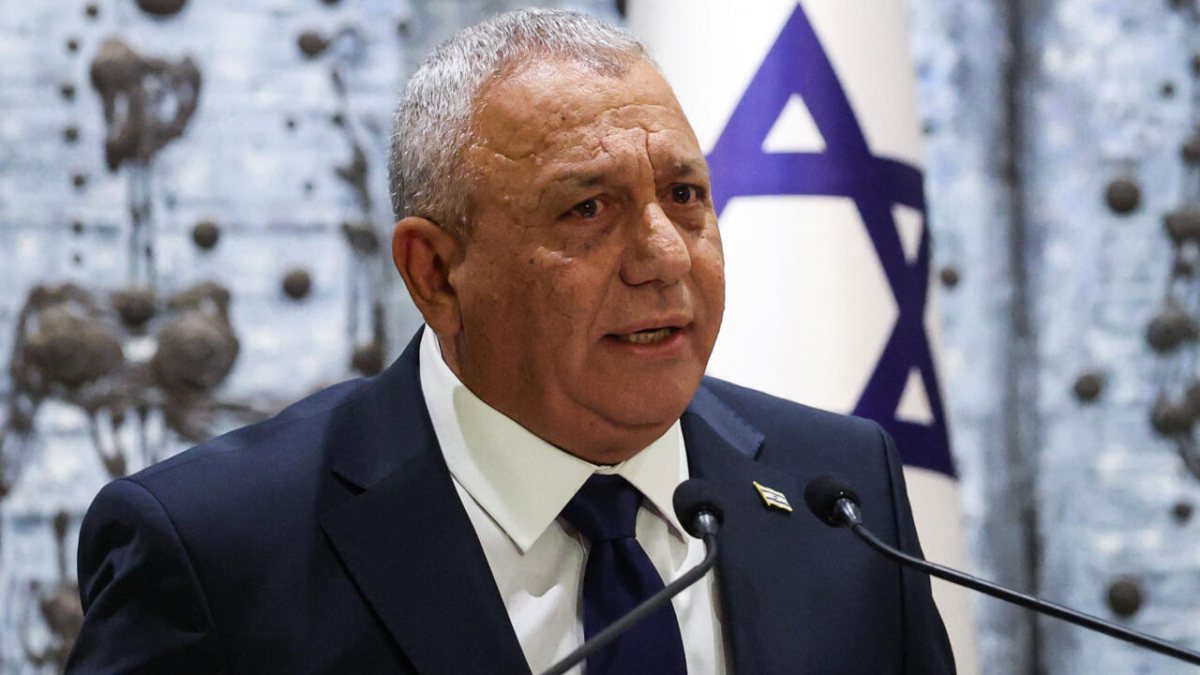
Eisenkot invites Netanyahu's Likud to 'marathon' Israeli coalition talks
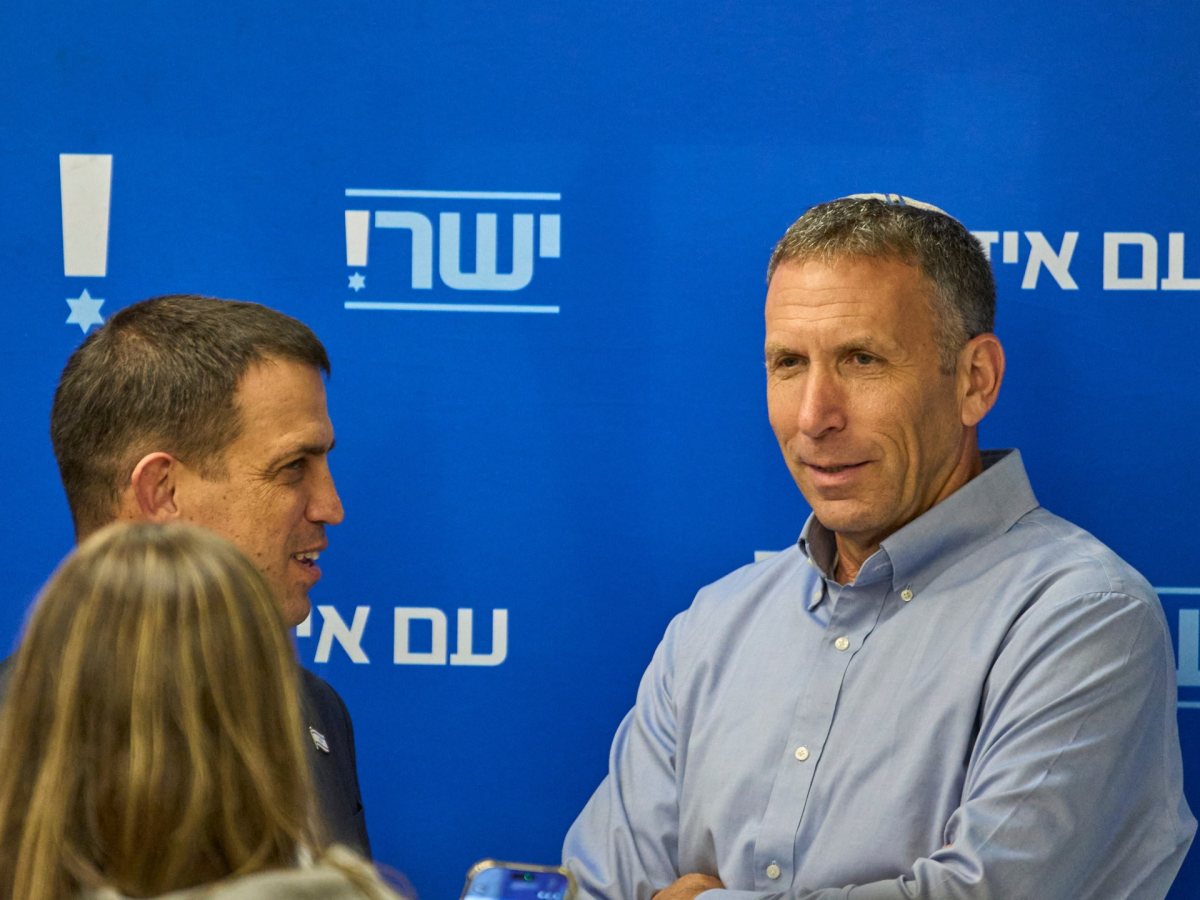
Eisenkot ally Matan Kahana elected Israel's Knesset speaker, defeating Netanyahu pick
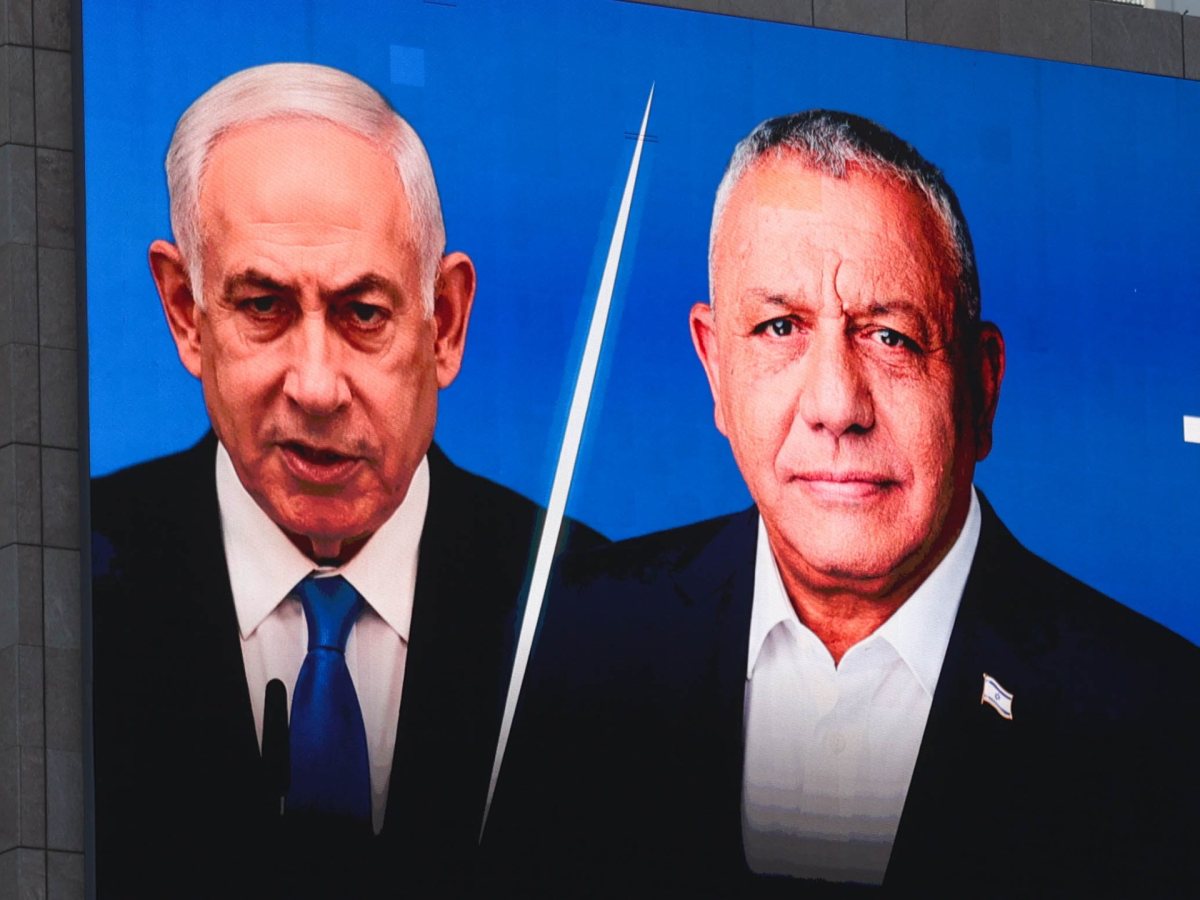
Likud and Eisenkot's Yashar end Israel coalition talks without a deal
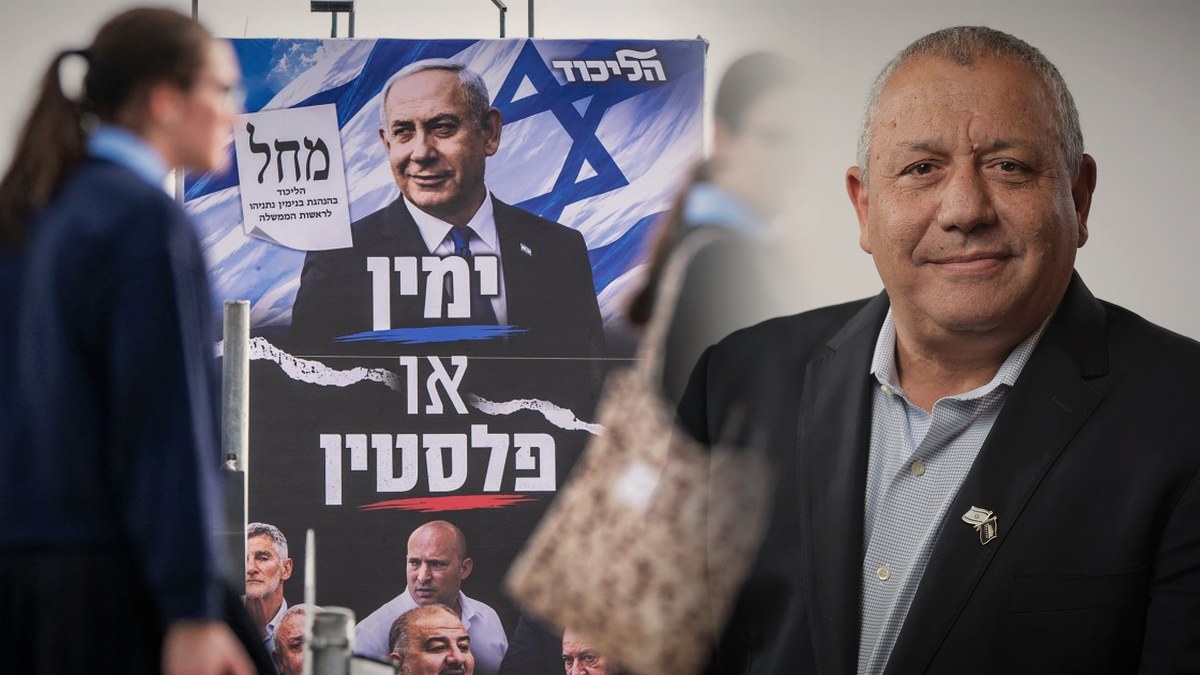
Israel votes as Eisenkot challenges Netanyahu in first election since October 7
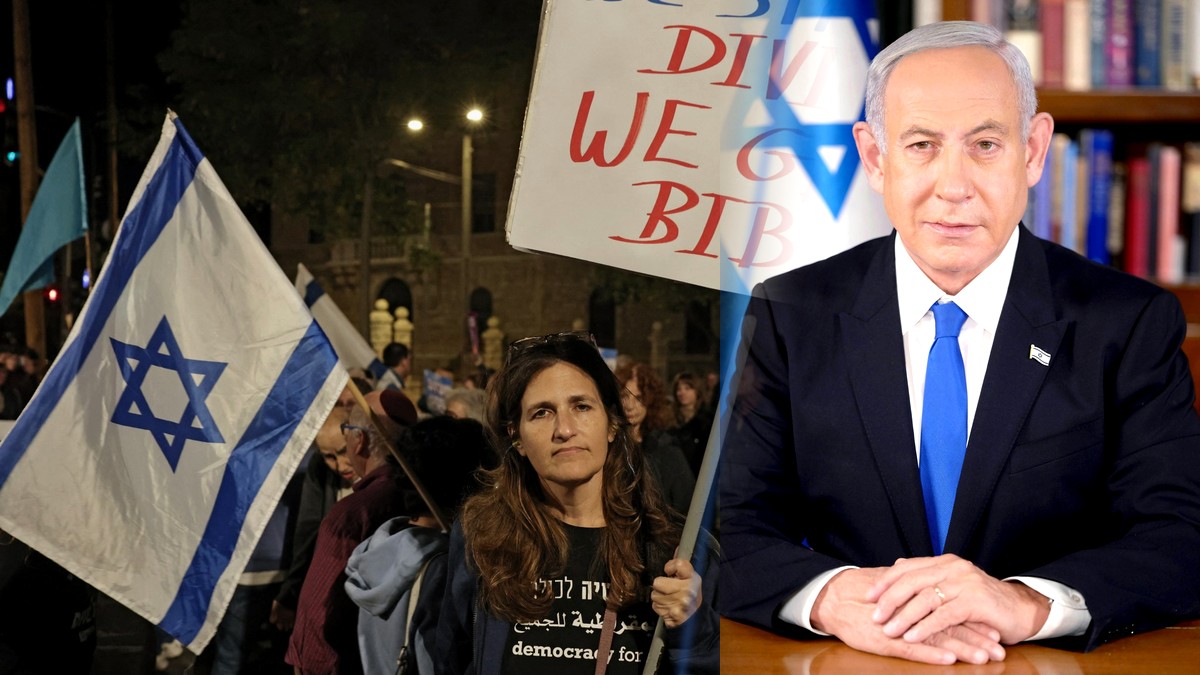
Israel's election chief rejects Netanyahu's 'stolen vote' claim as record Arab seats leave both blocs short of a majority
Global Community Remarks
0