
Likud and Eisenkot's Yashar end Israel coalition talks without a deal
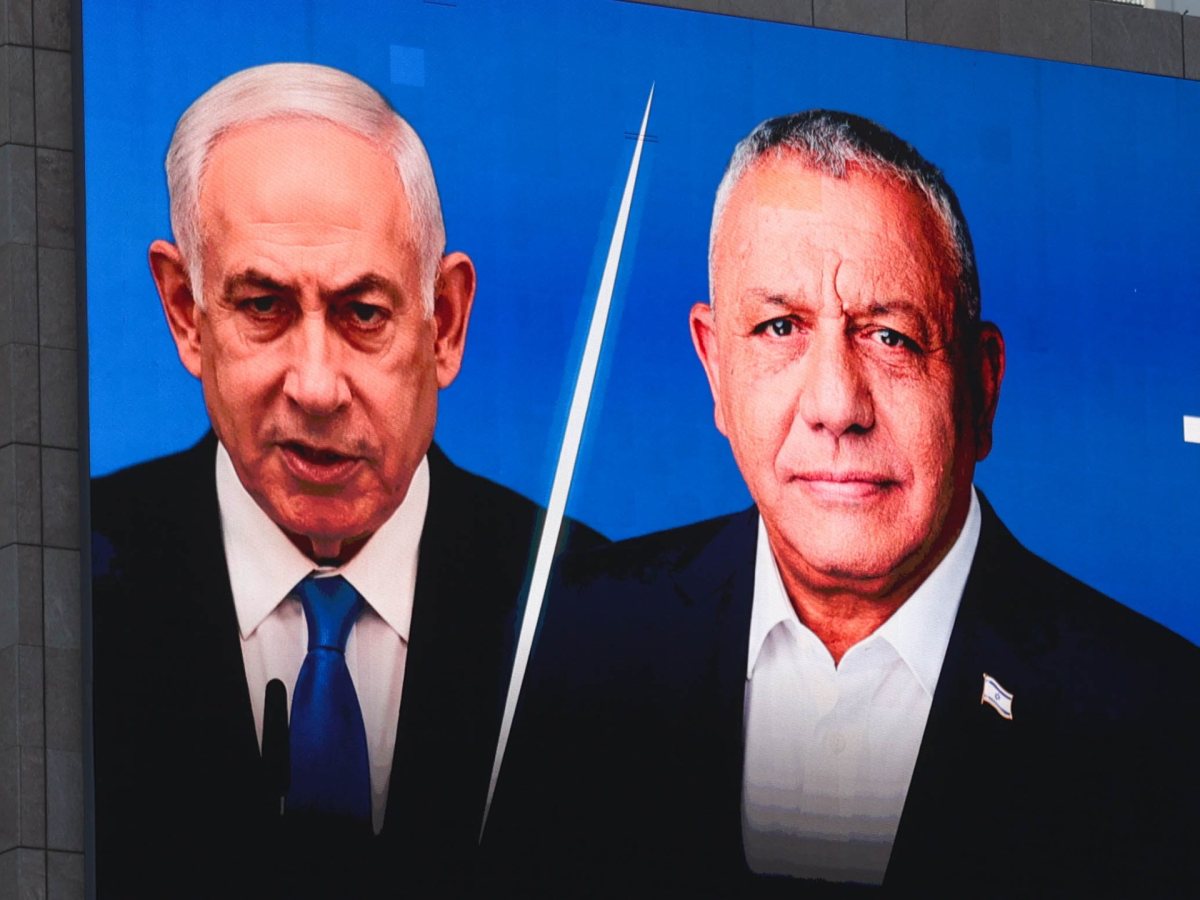
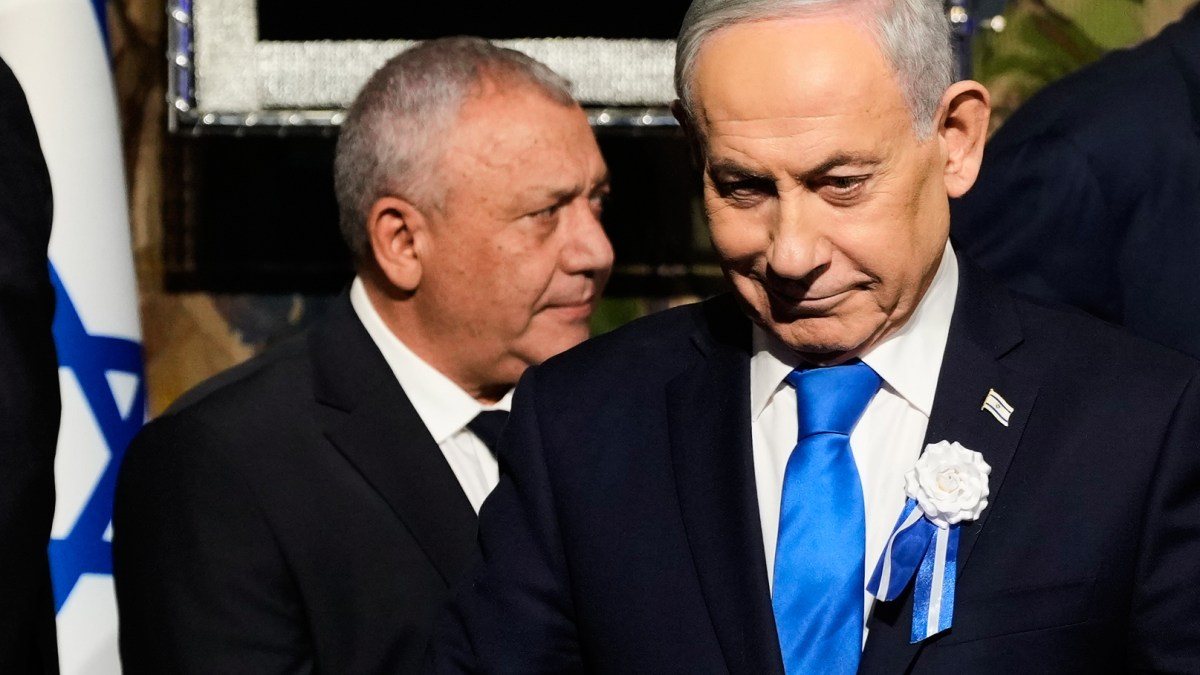
Negotiations between caretaker Israeli Prime Minister Benjamin Netanyahu's Likud party and opposition leader Gadi Eisenkot's Yashar party on forming a unity government have ended without an agreement, according to Al Jazeera.
Negotiators from the two parties met on Sunday at a hotel in Herzliya. Israel's Channel 12 broadcaster reported that they remained divided on two central questions: who would head the next government, and whether far-right National Security Minister Itamar Ben-Gvir would serve in it.
According to the Yedioth Ahronoth newspaper, Likud wants Ben-Gvir included in the new administration, while Yashar has insisted that he be kept out.
Follow-up meeting promised
Despite the impasse, the two sides did not close the door on further talks. In a joint statement, they said they had set out their positions on a number of substantive matters and that a "follow-up meeting would be held". No date was given, and no further details were released.
The pressure is on Eisenkot, who has until December 6 to put together a government. That deadline can be extended by 14 days. His bloc won 48 seats in the October elections, leaving him 13 seats short of a majority in the Knesset, Israel's parliament.
Netanyahu pushes for unity
Netanyahu has publicly called for a unity government, arguing that it is the only arrangement that can guarantee Israel's security.
Such a deal would also make it possible to form a government without relying on parties led by Palestinian citizens of Israel. Those parties won a record 19 seats in the October vote, Al Jazeera reported.
Rotation proposal stalls
Channel 12 reported that former Prime Minister Naftali Bennett, who heads the Together list, has floated a broader coalition bringing together his list, Yashar, Likud and Avigdor Lieberman's Yisrael Beiteinu party.
Under Bennett's proposal, Eisenkot would serve as prime minister first, with Netanyahu taking over later in a rotation arrangement.
The plan, however, faces several obstacles:
- Eisenkot has opposed the idea of a rotation.
- Netanyahu has reportedly insisted on holding the premiership first.
- Lieberman has ruled out joining any government that includes Netanyahu.
Minority government as fallback
Should the unity talks collapse, Yashar intends to ask the Knesset for a confidence vote on a minority government before Eisenkot's mandate runs out, according to Al Jazeera.
Such a government would depend on outside backing from two Arab-led parties: the Arab Joint List, headed by Yousef Jabareen, and the United Arab List, led by Mansour Abbas.
The outcome of the coming weeks will determine whether Israel ends up with a broad coalition spanning rival camps, a minority administration reliant on Arab-led parties, or continued political deadlock.
This story was prepared by the Hamasta Newsdesk with AI assistance, based on reporting by Al Jazeera. Read the original report. Photo: Al Jazeera.
Every moment, captured beautifully.
Events, corporate portraits, products and editorial shoots by our newsroom photographers.





More in International
See all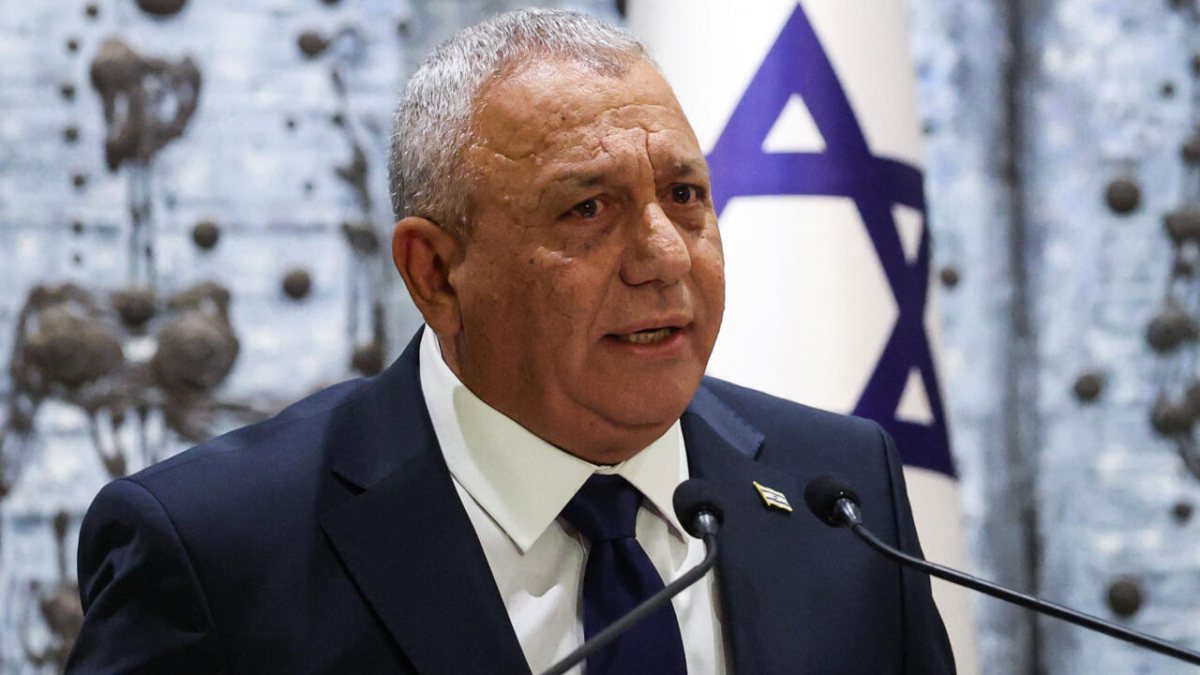
Eisenkot invites Netanyahu's Likud to 'marathon' Israeli coalition talks
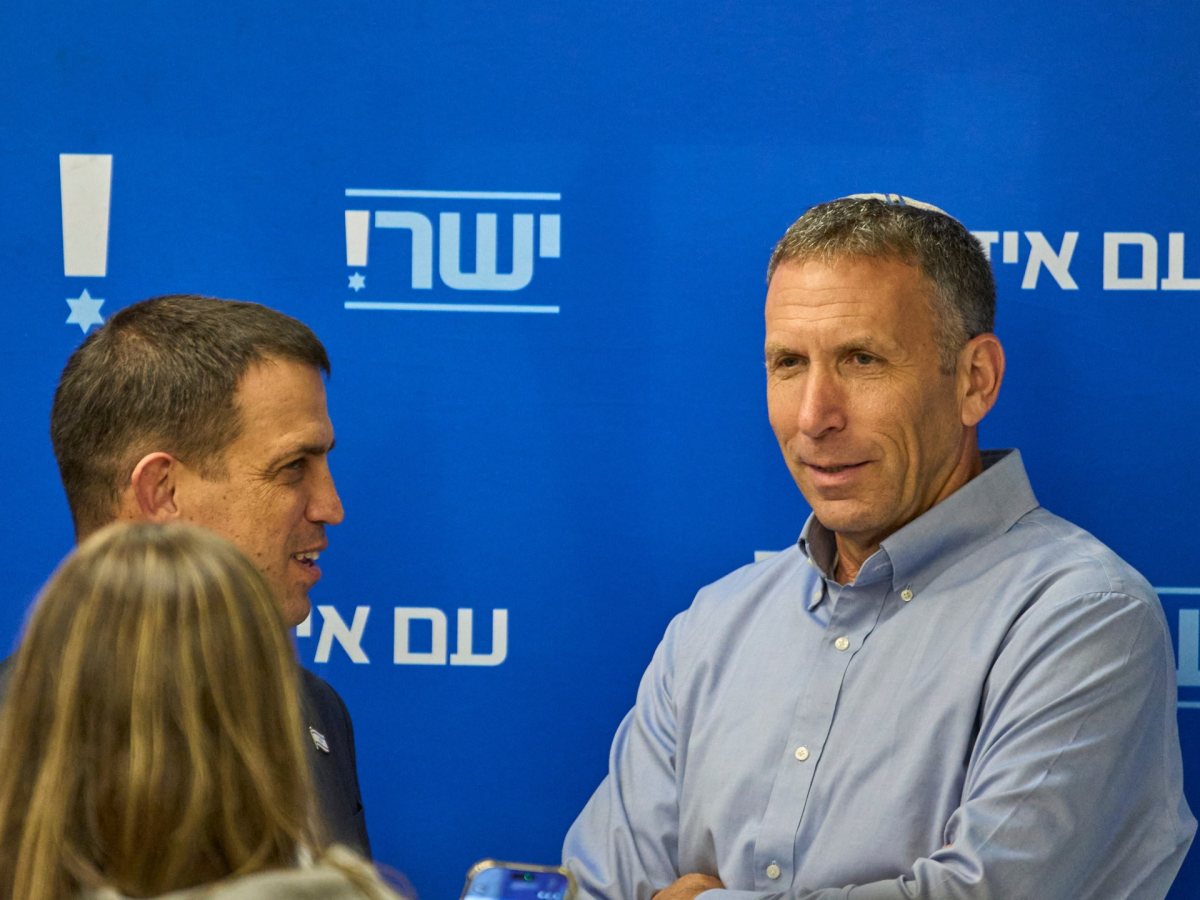
Eisenkot ally Matan Kahana elected Israel's Knesset speaker, defeating Netanyahu pick
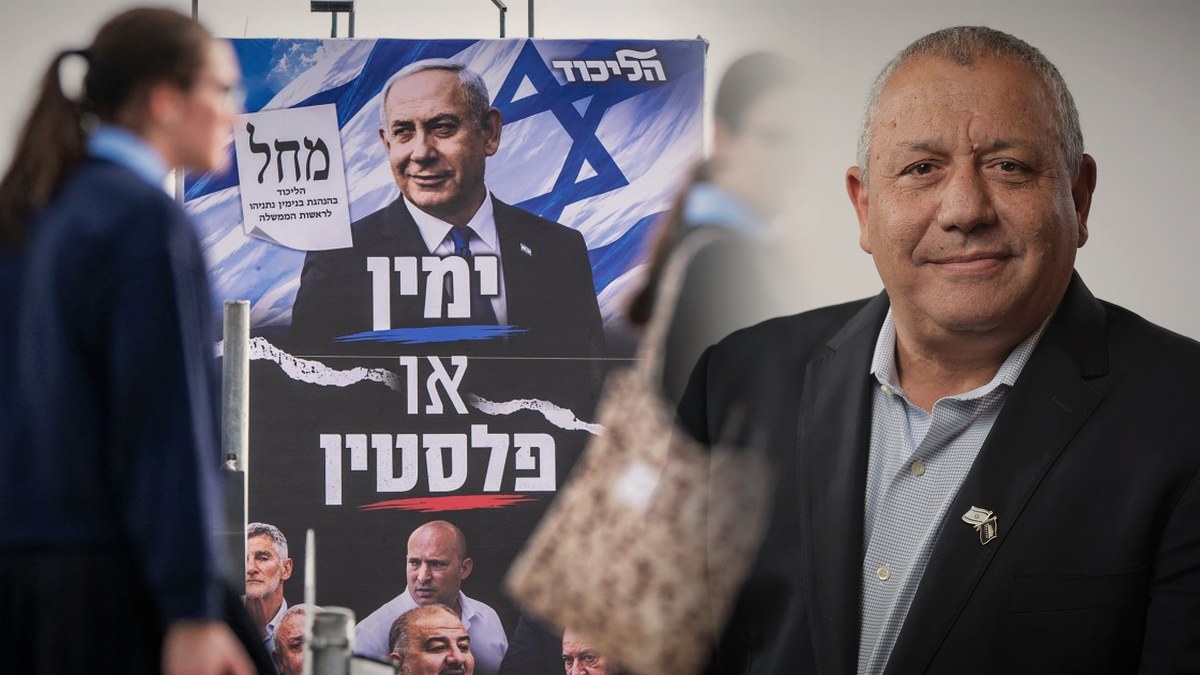
Israel votes as Eisenkot challenges Netanyahu in first election since October 7
Israel election ends in deadlock as Netanyahu bloc stalls at 53 seats and Arab parties win record 19
Israel's election chief rejects Netanyahu's 'stolen vote' claim as record Arab seats leave both blocs short of a majority
Global Community Remarks
0