
Israel unity government talks stall as Eisenkot accuses Likud of running down the clock
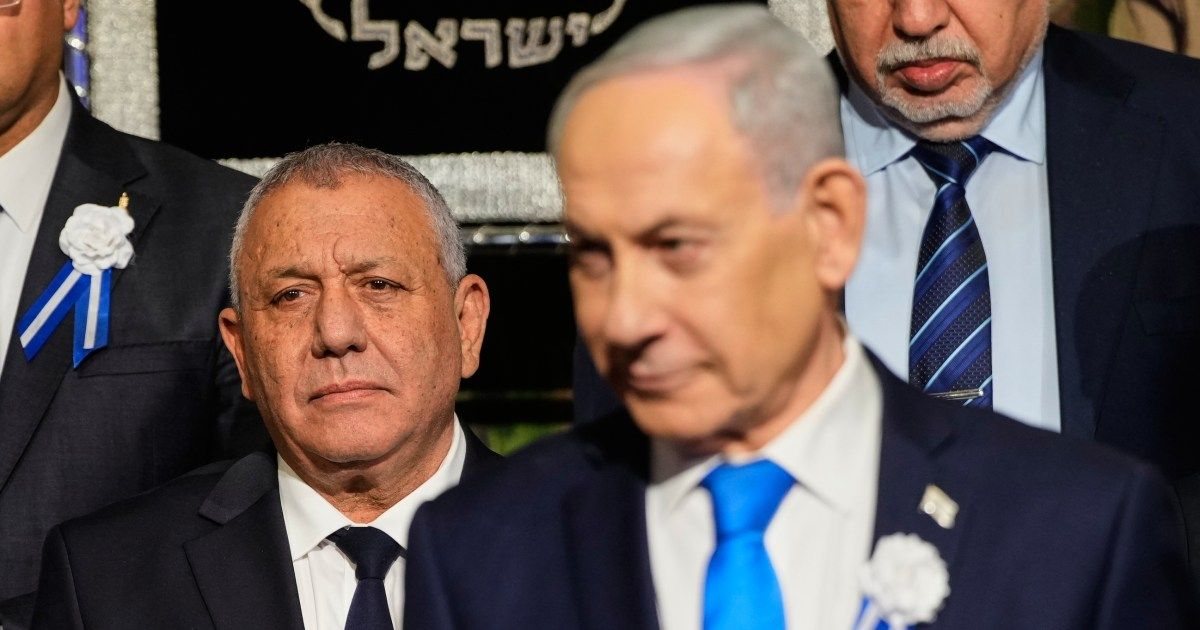
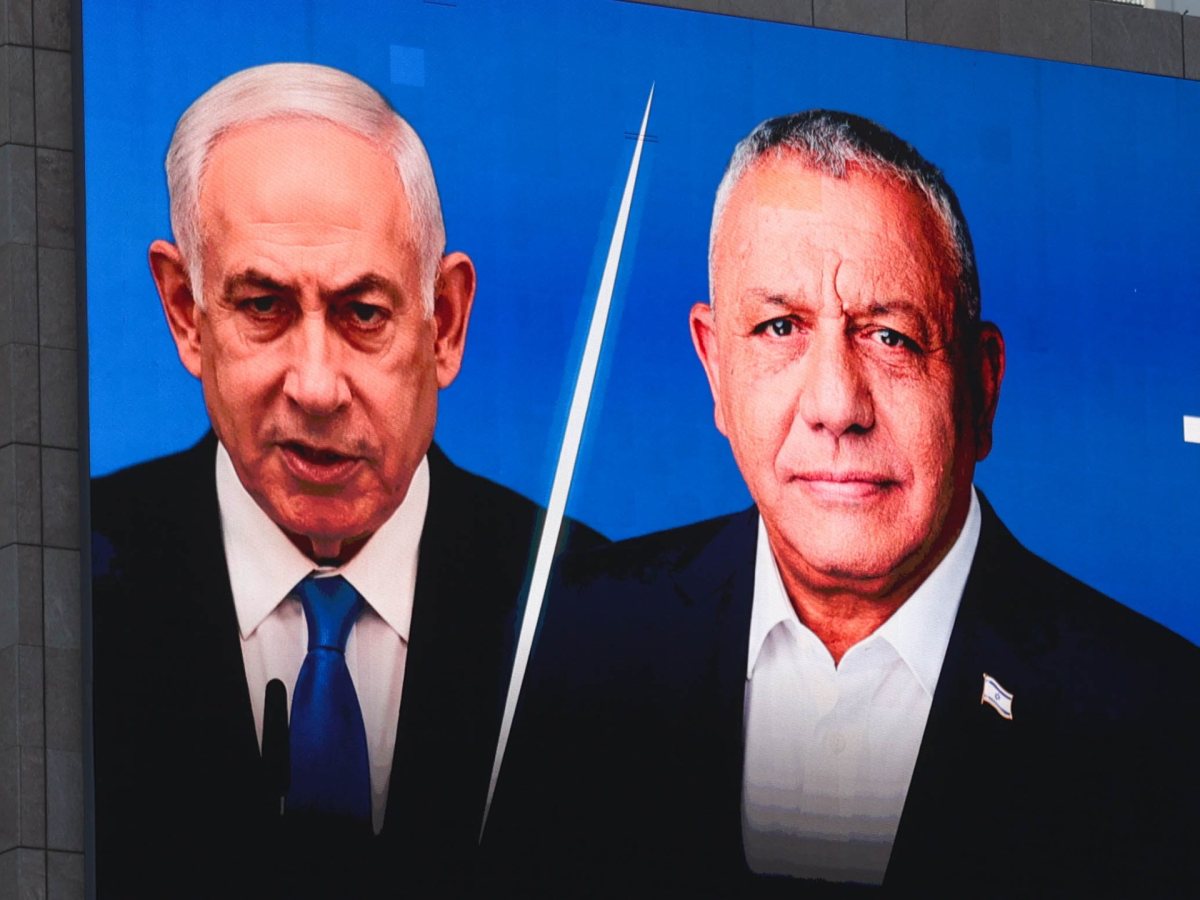
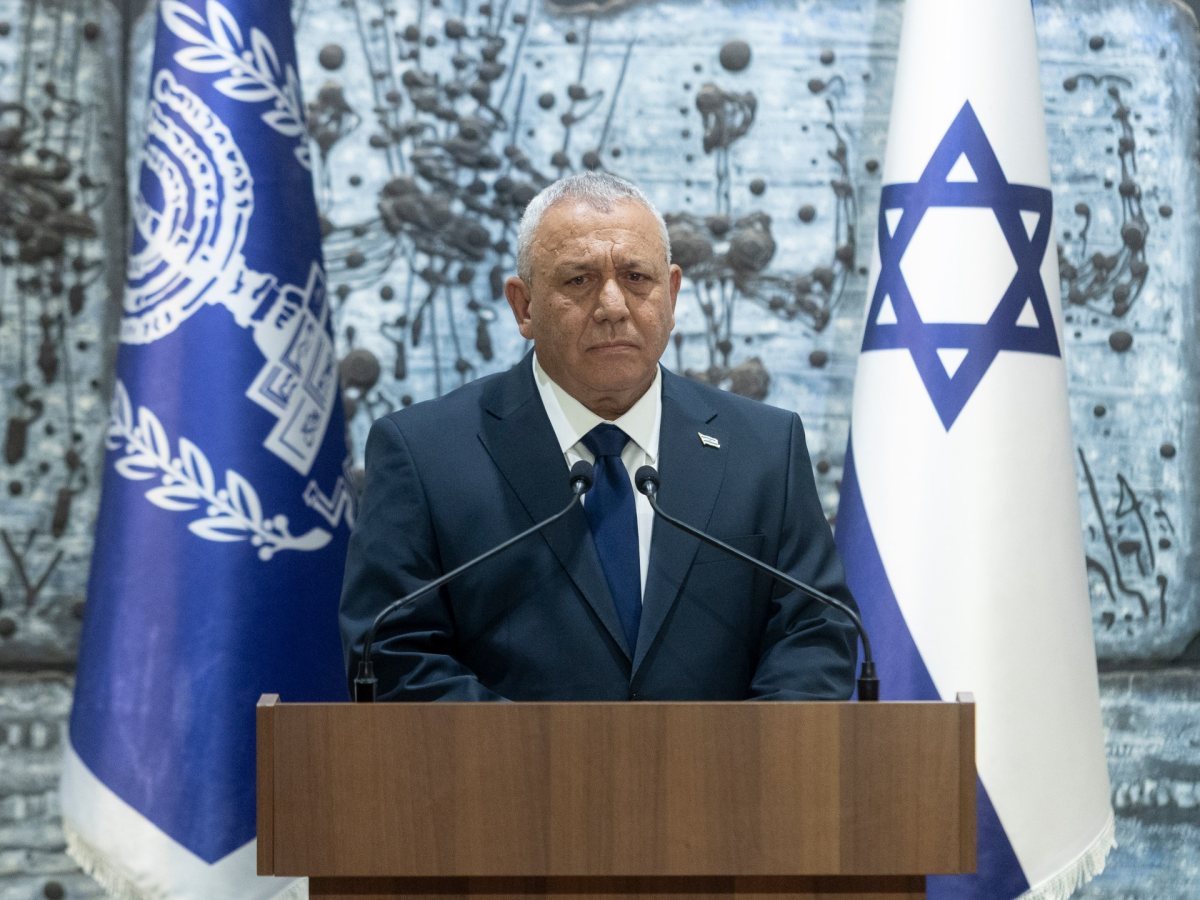
Efforts to form a unity government in Israel have stalled, after talks between centrist leader Gadi Eisenkot and caretaker Prime Minister Benjamin Netanyahu's Likud party ended on Sunday without agreement, according to Al Jazeera.
The two sides said a follow-up meeting would be held soon. However, Eisenkot has accused Likud of deliberately dragging out negotiations in the hope of triggering another election.
An inconclusive election
The October 27 general election produced no clear winner. Eisenkot, who leads the Yashar party, and his presumed partners secured 48 seats, while Netanyahu's alliance won 53, Al Jazeera reported.
After consultations with the parties, President Isaac Herzog in November tasked Eisenkot with forming a government. Some 67 lawmakers, including members of Arab-led parties, endorsed him, compared with 46 who backed Netanyahu. Eisenkot has until December 6, a deadline that can be extended by 14 days.
A government needs at least 61 seats in the 120-member Knesset, although a smaller administration can take office if it wins a parliamentary confidence vote.
Difficult arithmetic
Arab-led parties, which represent Palestinian citizens of Israel, won a record 19 seats. The Joint List, an alliance of three Arab parties, holds 11 and Ra'am holds eight. Their backing would give Eisenkot a 67-seat bloc, but he has ruled out governing with them. Yisrael Beiteinu leader Avigdor Lieberman has also said he will not support any government that includes those parties.
Bringing in the two ultra-Orthodox parties, United Torah Judaism and Shas, would give Eisenkot exactly 61 seats.
On Tuesday, Yashar said it had agreed to sign a coalition pact with Lieberman's Yisrael Beiteinu, the first confirmed alliance since the vote. But the left-wing Democrats, who hold eight seats, said this week they were suspending talks with Eisenkot in protest at the possibility of Likud remaining in government.
Rotation offer
Likud has sought a rotation arrangement, which would contradict Eisenkot's pledge to replace Netanyahu. Israeli media reported on Friday that Netanyahu was preparing to say he would accept serving second, with Eisenkot as prime minister for the first two years and Netanyahu for the final two.
Public broadcaster Kan reported that the offer had been floated unofficially, allowing Likud to maintain plausible deniability while the party remains divided on the terms.
In a statement on Friday, Eisenkot said Likud had refused, over two weeks, to put a single concrete proposal on the table. He said the two sides had met five times and that Likud had rejected three of his proposals: a state inquiry into the failures of October 7, the removal of extremists from government, and a law making military or national service compulsory for all.
He said Netanyahu's strategy was to run down the clock until the mandate expired.
"I do not intend to cooperate with such a charade," Eisenkot said.
What happens next
Analysts say that if talks with the ultra-Orthodox parties fail, Eisenkot could ask his allies to choose between keeping Netanyahu in office and accepting support from the Arab-led parties.
Daniel Levy, a former Israeli peace negotiator and president of the US/Middle East Project, told Al Jazeera that Eisenkot could then urge allies to form a short-term government to remove Netanyahu and prepare for new elections.
If Eisenkot's mandate lapses, Herzog could hand the task to another lawmaker, including Netanyahu, who would have 28 days with no extensions. Failure at that stage could lead to fresh elections, with Netanyahu staying on as caretaker.
Israel has been here before. After the April 2019 election, Netanyahu failed to form a government, leading to repeat votes in September 2019 and March 2020. A government was formed only when he struck a unity deal with Benny Gantz's Blue and White alliance.
This story was prepared by the Hamasta Newsdesk with AI assistance, based on reporting by Al Jazeera. Read the original report. Photo: Al Jazeera.




Know what people say about you.
Media monitoring, audience insights and strategic communication for your brand.


More in International
See all
Eisenkot accuses Netanyahu's Likud of stalling Israel coalition talks
Eisenkot invites Netanyahu's Likud to 'marathon' Israeli coalition talks
Eisenkot invites Netanyahu to urgent talks after rotating premiership offer
Likud and Eisenkot's Yashar end Israel coalition talks without a deal
Israel's Eisenkot wins Lieberman as first coalition partner in bid to form government
Global Community Remarks
0