
Houthis claim strikes on Saudi gas sites and Jeddah port as coalition hits Ras Isa
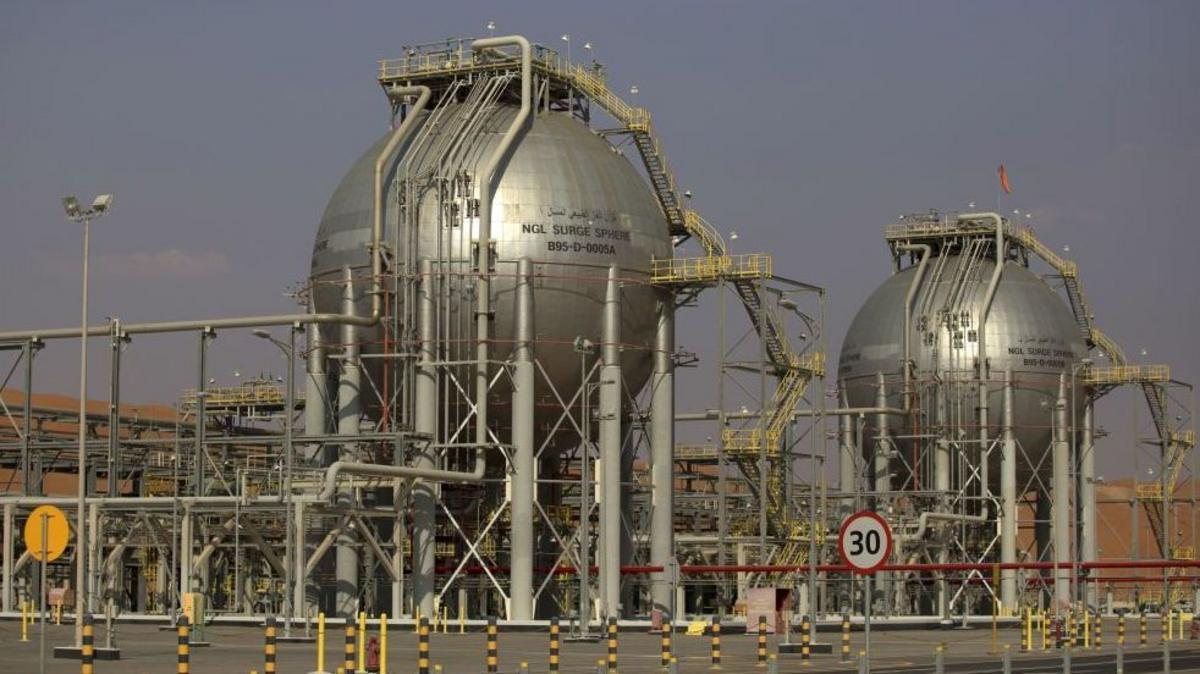
Yemen's Houthi movement says it has launched attacks on the Saudi port city of Jeddah, gas installations in the kingdom's oil-rich Eastern Province and other targets inside Saudi Arabia, according to BBC News World.
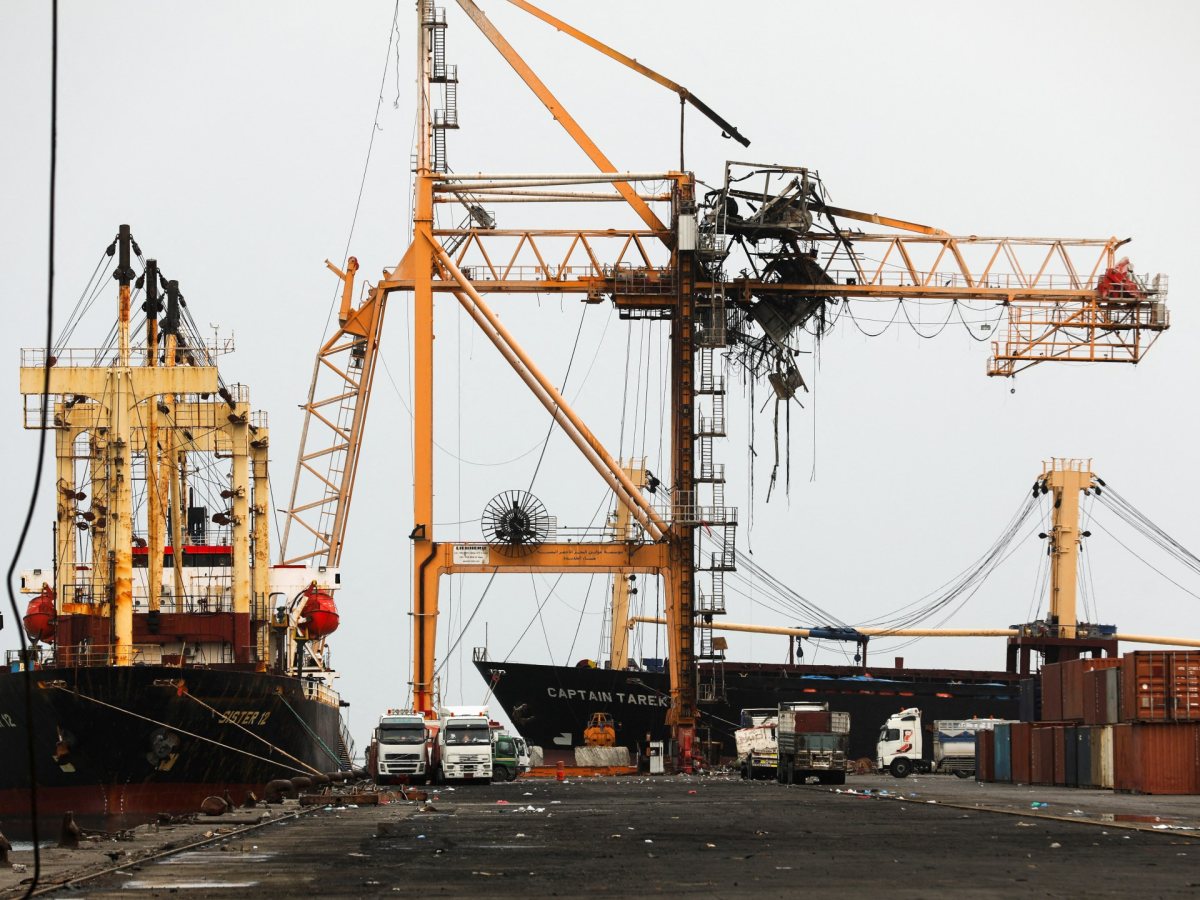
Saudi Arabia has not confirmed the attacks, and it remains unclear whether any damage was caused. However, the Saudi-led coalition said its forces had struck Houthi positions at the Yemeni port of Ras Isa and shot down three cruise missiles fired by the group.
Competing claims
Houthi military spokesman Yahya Saree, writing on X, described the strikes as a
"response to the brutal Saudi aggression against our country"
He also accused Riyadh of committing crimes against Yemenis and of targeting civilian facilities.
Coalition spokesman Turki al-Maliki, also posting on X, said coalition forces had hit five targets in Ras Isa and a further 19 sites which he said supported Houthi missile and drone launches. He framed the operation as a reply to what he called Houthi efforts to strike civilians and civilian infrastructure. He later reported that three Houthi cruise missiles had been intercepted.
A sharp escalation
The Houthis have been fighting Yemen's internationally recognised government for years. That government is backed by a coalition led by Saudi Arabia.
The conflict has intensified markedly in recent weeks. In a surprise offensive that began about two months before its completion in mid-November, Houthi fighters took control of territory around the Bab al-Mandab strait, the narrow passage at the southern tip of the Red Sea. Government forces pulled back from the area to defend the southern city of Aden.
Since then, Houthi attacks on Aden have prompted hundreds of Saudi air strikes, according to BBC News World. The Houthis, in turn, have fired hundreds of drones and missiles at Saudi cities and infrastructure.
Impact on oil markets
The Houthi capture of ground around Bab al-Mandab helped push global oil prices higher. Saudi Arabia had been depending on the Red Sea route to export its oil after the war involving the United States, Israel and Iran effectively shut the Strait of Hormuz, the BBC reported.
With both major Gulf shipping routes now affected by conflict, the latest exchange of fire is likely to be closely watched by energy markets. Rising global crude prices typically feed through to pump prices in fuel-importing countries, including Kenya.
Humanitarian toll
The human cost of the renewed fighting is mounting. The United Nations estimates that close to 330,000 people have been displaced in Yemen as the conflict has escalated, and hundreds of people are reported to have been killed.
Yemen was already one of the world's most severe humanitarian crises before the latest round of hostilities. There was no indication in the BBC report of any imminent talks between the warring sides.
This story was prepared by the Hamasta Newsdesk with AI assistance, based on reporting by BBC News World. Read the original report. Photo: BBC News World.





Show the impact of your work.
Impact stories, campaign videos and community engagement for NGOs and programmes.

More in International
See all
Pakistan deploys troops to Saudi Arabia as Houthis threaten Red Sea ports

Saudi-led coalition says Yemen war could end quickly if Houthis accept UN plan
Houthis strike Saudi Red Sea ports as Yemen conflict escalates
Saudi-led coalition and Houthis trade threats to bomb Red Sea ports as strikes escalate

Houthis claim strikes on Saudi Ras Tanura refinery and Riyadh financial district
Global Community Remarks
0