
Zelensky Condemns US-Russia Diesel Deal After Russian Strikes Kill 15 in Ukraine

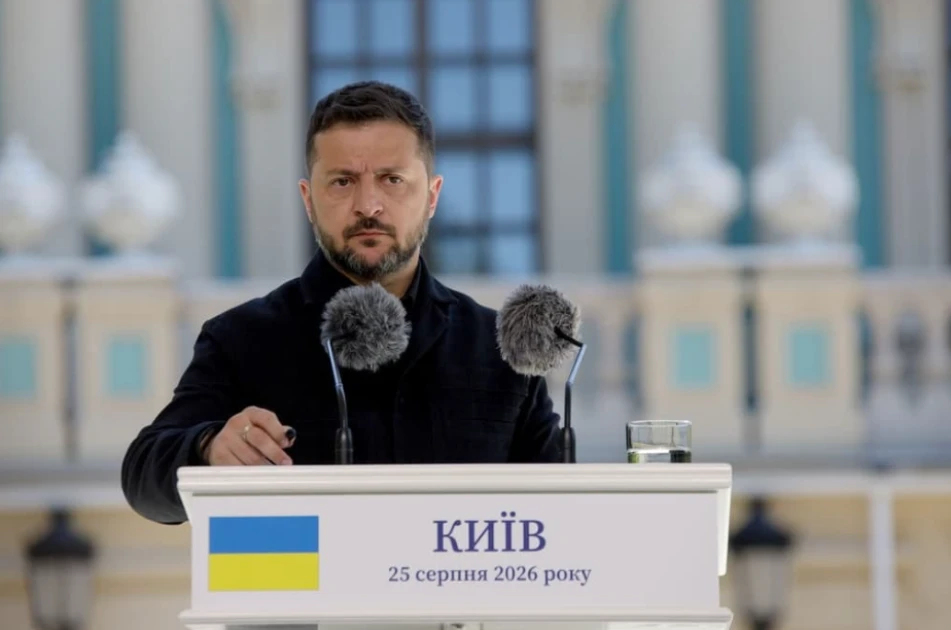
Ukrainian President Volodymyr Zelensky has sharply criticised a new diesel supply agreement between the United States and Russia after Russian strikes killed at least 15 people, including three children, in southeastern Ukraine.
Zelensky accused Moscow of responding to Washington’s decision to ease restrictions on Russian diesel exports by intensifying attacks on Ukrainian civilians, raising fresh questions about the impact of the agreement on efforts to end the war.
The attacks struck residential neighbourhoods in Zaporizhzhia early Saturday, with Russian forces reportedly using five guided aerial bombs. Ukraine’s State Emergency Service confirmed the deaths, while at least 16 people were reported injured. Rescue teams searched damaged buildings for survivors trapped beneath the rubble.
“Today, Russia expressed its thanks for the lifting of sanctions on diesel exports by dropping five glide bombs on residential buildings in Zaporizhzhia,” Zelensky said in a statement posted on X.
Trump Announces Diesel Agreement With Putin
The controversy follows an announcement by US President Donald Trump that Russia would supply substantial quantities of diesel to the American market and beyond following a telephone conversation with Russian President Vladimir Putin on Friday.
Trump said the arrangement was intended to increase fuel supplies and bring down prices for American consumers amid rising energy costs.
Under the announced arrangement, Russia would immediately supply more than 300,000 tonnes of diesel, followed by additional shipments in the coming months.
The deal represents a significant shift in Washington’s approach to Russian energy exports following years of sanctions imposed after Moscow launched its full-scale invasion of Ukraine in February 2022.
The United States subsequently issued a six-month licence easing sanctions to facilitate the diesel imports. However, the full commercial terms and potential longer-term implications of the agreement remain unclear.
Zelensky Says Deal Could Prolong the War
Zelensky described the agreement as a weak decision by Washington, arguing that allowing Russia to generate additional revenue from energy exports could strengthen its capacity to sustain military operations.
He warned that easing economic pressure on Moscow without reciprocal steps towards ending hostilities could encourage further attacks rather than advance peace negotiations.
The Ukrainian leader called for the agreement to be reconsidered, insisting that Russia would only become serious about ending the war when its ability to continue fighting was reduced.
His criticism reflects growing frustration in Kyiv over the direction of US-led diplomatic efforts, particularly as Ukrainian, American and European officials continue discussions on possible pathways towards ending the conflict.
European Allies Reject Sanctions Relief
The agreement has also drawn criticism from European officials who fear that easing restrictions on Russian energy exports could undermine efforts to weaken the Kremlin’s financial capacity.
European Union foreign policy chief Kaja Kallas argued that relaxing sanctions on Russian diesel would help support Russia’s war effort.
Germany also indicated that it would continue pushing for additional European Union sanctions against Moscow despite Washington’s decision.
The disagreement highlights differences among Western allies over how to balance energy-market pressures with the objective of compelling Russia to end its invasion of Ukraine.
Kyiv Faces Growing Pressure From Russian Attacks
The deadly bombardment in Zaporizhzhia came amid an intensification of Russian attacks across Ukraine. Kyiv also experienced large-scale power outages attributed to strikes, while local authorities reported damage in the capital.
The continued attacks have increased pressure on Ukraine’s air defences and emergency services as winter approaches.
Meanwhile, diplomatic discussions involving US, Ukrainian and European representatives continued in Miami on Friday, with officials exploring possible avenues for de-escalation and a lasting settlement.
However, the diesel agreement and the latest civilian casualties have further complicated those efforts, deepening concerns about whether economic concessions to Moscow can contribute to peace while Russian military operations continue.
The latest developments leave Washington facing a difficult balancing act: addressing domestic fuel costs while maintaining support for Ukraine and preserving pressure on Moscow to end the war.
HAMASTA MEDIA will continue to follow developments in the Russia-Ukraine conflict and international efforts to secure a peaceful resolution.




Show the impact of your work.
Impact stories, campaign videos and community engagement for NGOs and programmes.

More in International
See all
Kenya joins US, China and Russia at Geneva talks as envoys push for Sudan ceasefire
Ghana tightens airport screening over Ebola risk from Kenya flights

Germany makes integration language test harder from November 1: what it means for Kenyans heading there

Abiy Ahmed at Mashujaa Day: 'History made us brothers, our choices must make us partners'

El Salvador bars entry to travellers from Kenya and seven other African countries over Ebola, as US raises advisory to Level 3

Nigeria records first Ebola case in Abuja as regional outbreak widens
Global Community Remarks
0