
Nairobi maps 227 flood hotspots across 17 sub-counties as county braces for El Niño rains

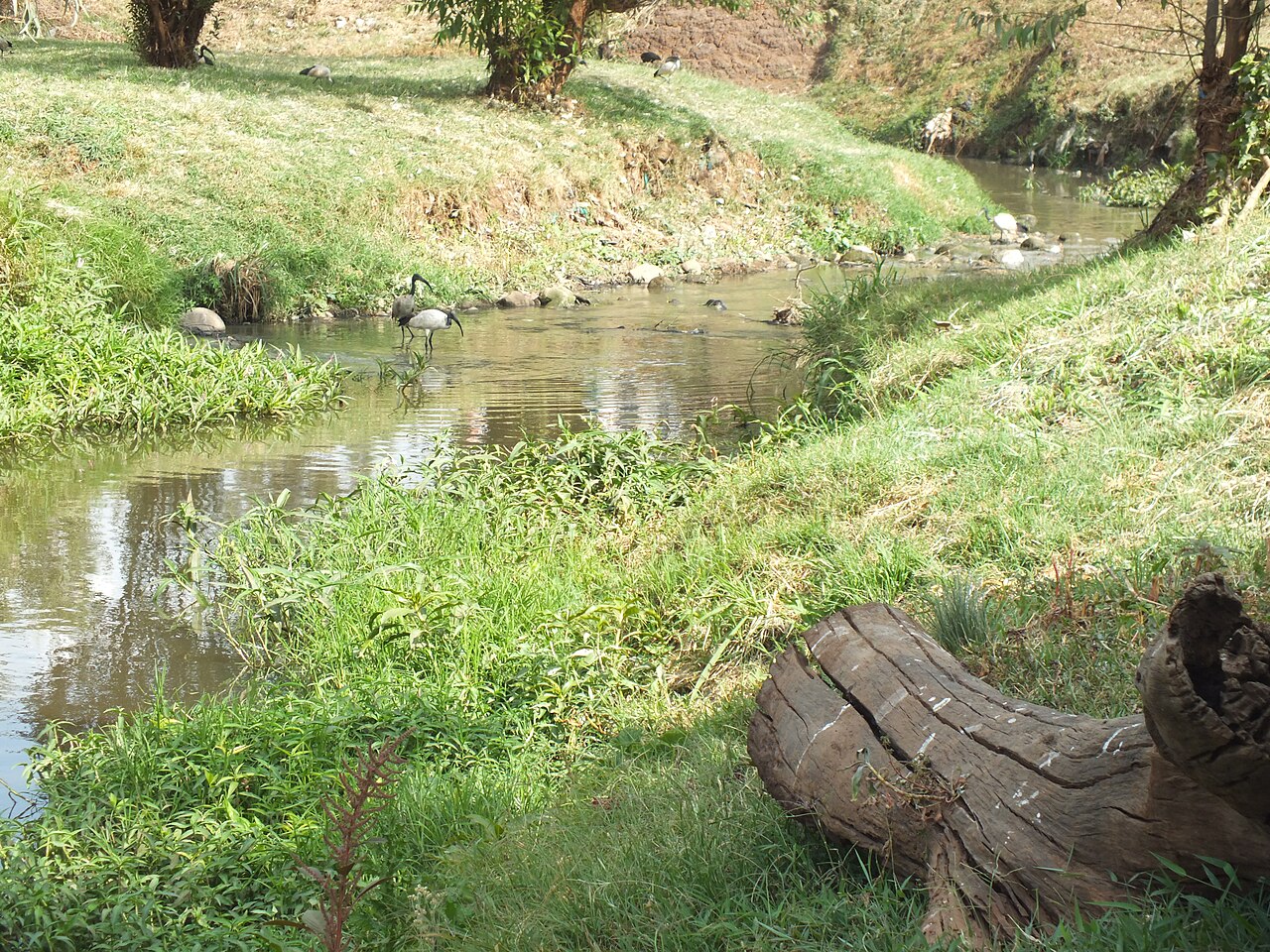
Nairobi City County has identified 227 flood hotspots spread across its 17 sub-counties as it prepares for the El Niño rains forecast for October to December, with Governor Johnson Sakaja now turning to residents' associations to help carry warnings and clean-up work down to the neighbourhood level.
The hotspots were mapped by a multi-agency team that Sakaja convened at City Hall in August. According to county figures, 16 of the sites are ranked as very high priority, 189 as high priority and 22 as medium priority. The map is meant to guide where personnel, machinery and relief supplies are sent first.
What the county is doing
The governor set up five sub-committees to run the preparations, covering:
- Infrastructure and drainage – clearing and improving drains, rivers and critical infrastructure
- Emergency response and evacuation – rescue operations and moving people out of danger
- Shelter and relief – safe shelters, food, water and medical aid
- Security and traffic – policing, traffic management and emergency access
- Communication – early warnings and public alerts
The team brings together the Kenya Red Cross, the Kenya Urban Roads Authority, the Kenya National Highways Authority, the National Disaster Management Authority, the Nairobi Rivers Commission and county departments. The county says KSh2.4 billion has been set aside for drainage and flood-mitigation works, including KSh2 billion for works on 19 roads in flood-prone areas.
"Our goal is to permanently address the flooding challenges that have affected the city for many years," Sakaja said at the August meeting, as reported by Capital FM.
Environmental officers, the county's Green Army and ClimateWorX crews have since been desilting channels, unblocking culverts and removing garbage from waterways in areas marked as vulnerable.
Residents brought on board
On 30 September the county agreed to work with the Kenya Alliance of Residents Associations (KARA). Under the arrangement, City Hall will share the hotspot map and risk information with association coordinators, train them to recognise hazards and follow evacuation procedures, and name a disaster management focal person to liaise with the alliance.
KARA, in turn, is expected to mobilise people living in flood-risk zones, pass on early warnings, organise drain-clearing exercises, identify vulnerable households and report emerging dangers. The partnership will run through the rainy season and end with a review.
"The agenda is to make sure that people don't lose lives when we can avoid it," Sakaja told KARA's governing council, according to Citizen Digital. KARA chief executive Henry Ochieng said early warnings would be crucial.
What residents should expect
The Kenya Meteorological Department has put the probability of a very strong El Niño this season at 81 per cent, with above-average rainfall expected over most of the country in October and November. In Nairobi, the greatest risk is in riparian areas and informal settlements along the city's rivers, some of whose residents have already begun moving voluntarily.
"We urge residents in vulnerable areas to temporarily vacate early when advised and cooperate with the authorities," Sakaja said in late August.
Residents are being asked to keep drains near their homes clear, avoid known flood spots during heavy downpours and follow official advisories, especially evacuation notices, as the season progresses.
Photo: Orrling / Wikimedia Commons, CC BY-SA 3.0




Show the impact of your work.
Impact stories, campaign videos and community engagement for NGOs and programmes.

More in Environment
See all
Longer dry spells for your taps: Nairobi Water cuts supply by 35pc as Ndakaini Dam falls, hitting homes in four counties
'It has rained upstream': KWS shuts Hell's Gate gorge for the whole El Nino season, years after flash floods killed visitors inside
From 2.6 to 4.6 metres in two days: River Tana swells as 700 people in Garissa and Tana River are told to move to higher ground

'About the same as burning 10 litres of petrol': Bamburi wants State tenders to reward low-carbon cement, says Makupa Bridge saved 10 million kg of CO2
Students ferried across a flooded road in an excavator bucket as Met warns 40-plus counties to brace for above-average rains, floods and cholera

'Let us not set a precedent': 6,000 Lang'ata households push Parliament to carve 34 acres out of Ngong Road Forest as conservationists cry foul
Global Community Remarks
0