
Students ferried across a flooded road in an excavator bucket as Met warns 40-plus counties to brace for above-average rains, floods and cholera

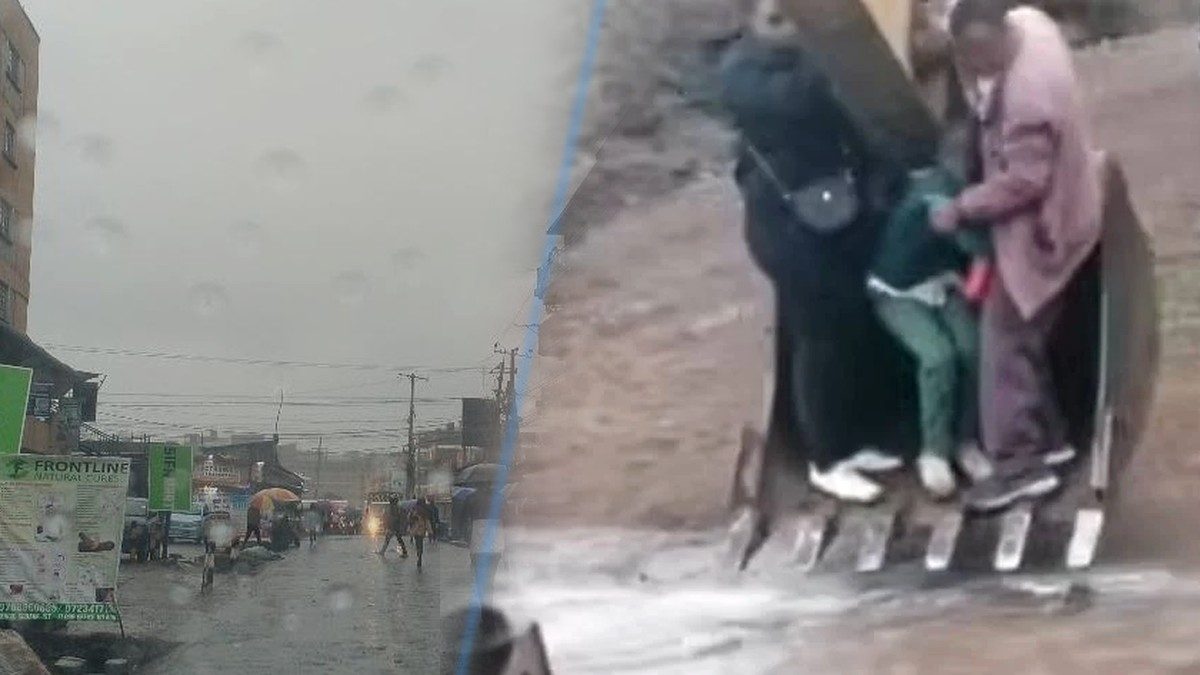
In Olmaroroi, Kajiado County, candidates and examination officials had to climb into the bucket of an excavator to get across a road swallowed by floodwater. Kenya's weatherman says scenes like that could become common over the next two months.
The Kenya Meteorological Department expects above-average rainfall in more than 40 counties this month. Acting director Edward Muriuki said most of the country should expect a wetter-than-usual November and December, The Star reported.
Who will get the rain
The monthly outlook, released on 1 November, names Nairobi, Mombasa, Kisumu, Nakuru, Kiambu, Meru, Machakos and Makueni among the counties set to get more rain than their long-term average, K24 Digital reported. Most of western Kenya, the Rift Valley, central Kenya, the coast and north-eastern counties such as Garissa, Mandera and Wajir are also on the list.
A weekly forecast for 3 to 10 November expects rain over parts of 46 counties, from Baringo and Bungoma to Taita Taveta, Tana River and West Pokot.
Despite the rain, Met expects it to be hotter than usual everywhere. Daytime highs could reach 38°C in parts of Turkana, Samburu, Marsabit, Mandera, Wajir, Garissa and Isiolo. Nairobi, Kiambu and Murang'a are expected to range between 20°C and 30°C.
The dangers
The department warned that "the enhanced rainfall may increase the risk of weather-related hazards, including flash floods, riverine flooding, landslides and damage to infrastructure". It listed the places most at risk:
- Low-lying coastal areas
- Flood-prone river basins
- Towns with poor drainage
- Steep highland slopes prone to landslides
Rural access roads "may become impassable following prolonged rainfall", the department said, which could cut off people, goods and services and disrupt the movement of farm produce to markets. In towns, blocked drains could bring traffic to a standstill.
Muriuki also warned of disease. Standing water creates breeding grounds for mosquitoes and could push up malaria cases. Floodwater can also contaminate water sources and raise the risk of cholera, typhoid and diarrhoeal infections.
Good news for farmers, with a catch
After a dry spell, the rains should restore soil moisture and pasture and refill rivers, dams, water pans and groundwater. October was below average to near average in much of the country, although a station at Ng'iya Primary School in Siaya recorded 264.4mm, the highest monthly total.
Met says the rains are being shaped by the Indian Ocean Dipole, the El Niño-Southern Oscillation and cyclones over the Indian Ocean. It advises Kenyans to read the weekly forecast together with its daily updates. Do not walk or drive through moving floodwater.
Photos: K24 Digital / Francis Muli (rainy day in Tassia, Nairobi); The Eastleigh Voice (screengrab of students and officials crossing a flooded road in Olmaroroi, Kajiado). Thumbnail design: HAMASTA MEDIA.


Take your event live to thousands.
Multi-camera live streams, panel discussions and digital broadcasts with professional crews.




More in Environment
See all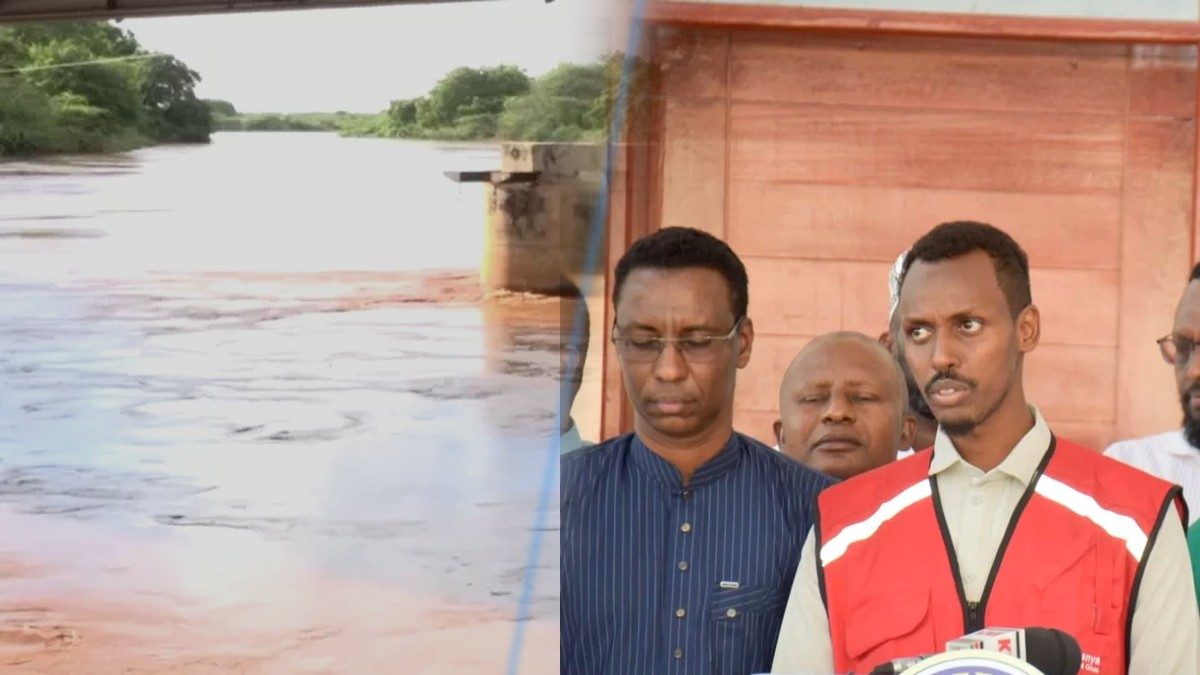
From 2.6 to 4.6 metres in two days: River Tana swells as 700 people in Garissa and Tana River are told to move to higher ground

'About the same as burning 10 litres of petrol': Bamburi wants State tenders to reward low-carbon cement, says Makupa Bridge saved 10 million kg of CO2
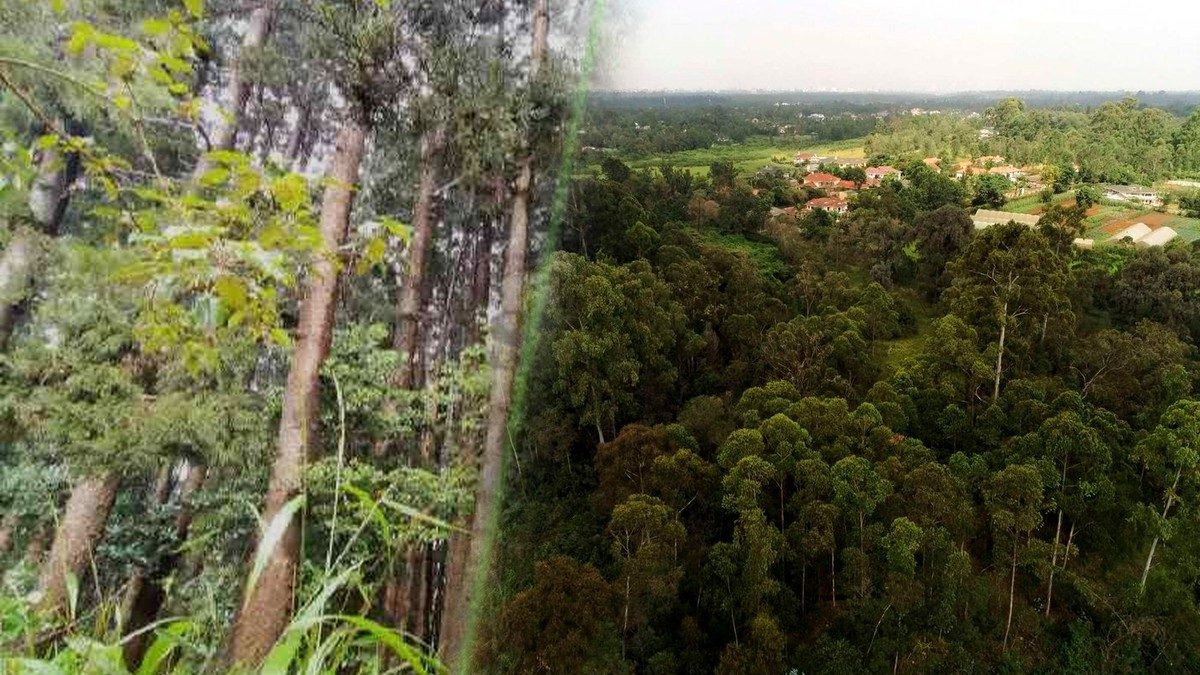
'Let us not set a precedent': 6,000 Lang'ata households push Parliament to carve 34 acres out of Ngong Road Forest as conservationists cry foul

Did you feel it? A magnitude-5 earthquake nearly 1,000km away in Tanzania sends a midday tremor through Nairobi, Kiambu and Kajiado
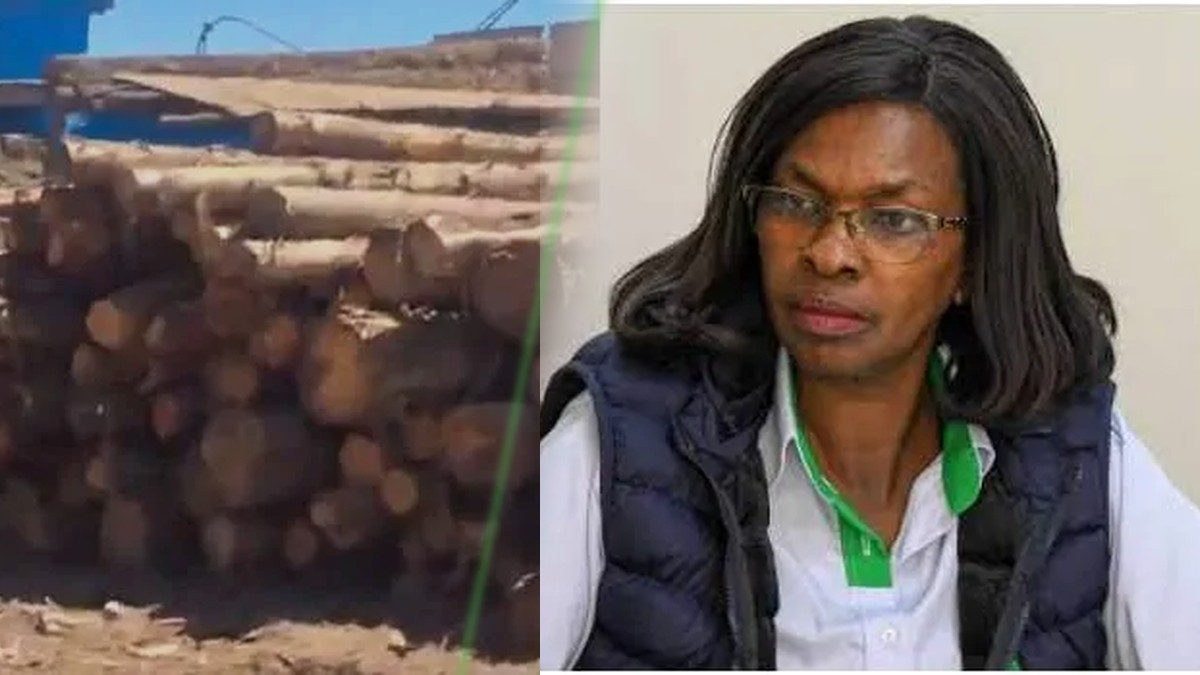
'Leave them and they rot from the inside': Forest Society chief defends logging in Aberdare, Ngong and Imenti as court order on Aberdare holds
Kenya signs China solar deal to power off-grid schools, clinics and water points in Tana River, Kilifi and Maasai Mara
Global Community Remarks
0