
'About the same as burning 10 litres of petrol': Bamburi wants State tenders to reward low-carbon cement, says Makupa Bridge saved 10 million kg of CO2

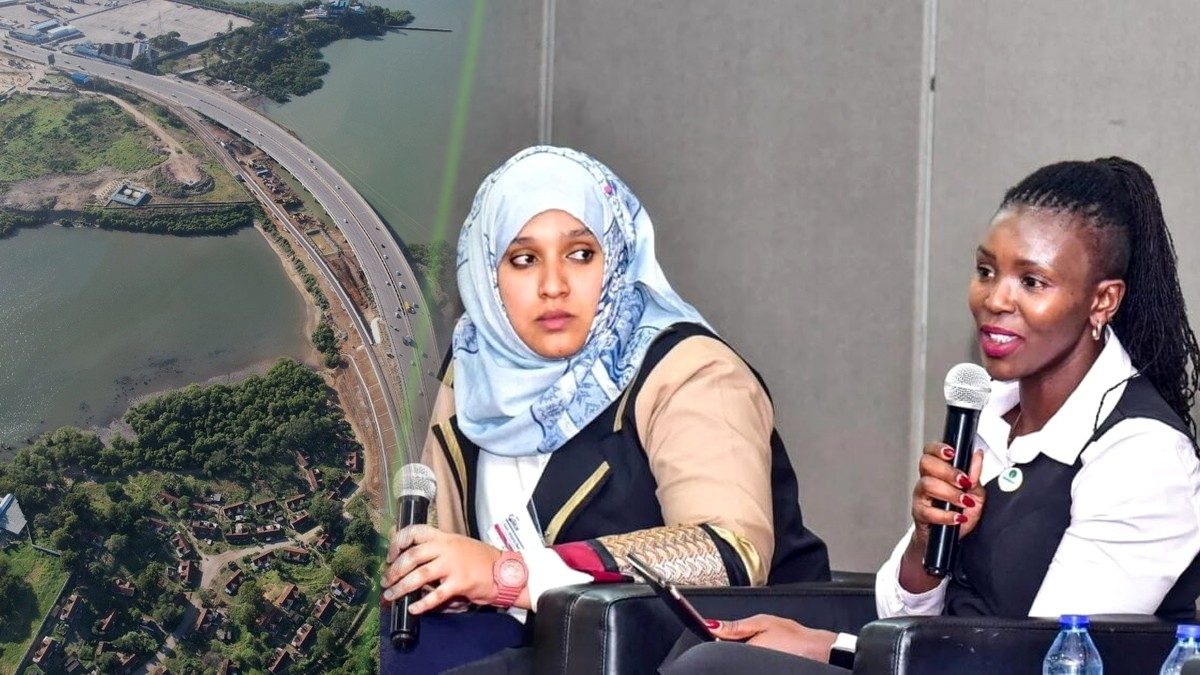
Every 50kg bag of cement used on a Kenyan road or bridge comes with a carbon cost. Bamburi Cement says it can cut that cost by about 25kg of carbon dioxide per bag, and it wants the government to reward builders who choose the greener option.
Speaking at a green industrialisation and manufacturing panel at the Kenya Industrialisation Summit 2026 in Nairobi, Bamburi's Sustainability and Corporate Affairs Director, Eng Jane Wangari, asked for low-carbon cement to get preference in public works. Industrialisation Secretary Prof Erastus Gatebe and Kenya Green Building Society CEO Nasra Nanda were also on the panel.
The ask
Bamburi wants:
- Public procurement rules that give higher scores to suppliers offering cement with lower carbon emissions
- Low-carbon cement added to the Central Bank of Kenya's Green Finance Taxonomy, so lenders can treat it as a green investment
- Standard cement specifications and verified Environmental Product Declarations, so buyers can compare the carbon footprint of building materials
Capital FM noted that wider use will also depend on competitive pricing and on manufacturers proving their environmental claims through independent verification.
Rice husks and old tyres
Cement is one of the world's most carbon-heavy materials. Making clinker, its key ingredient, takes kilns at very high temperatures and releases carbon dioxide from limestone.
Wangari said Bamburi's DuraCem is a 42.5-grade cement built for large and marine projects and resistant to sulphates and chlorides. Its production uses alternative fuels such as rice husks and waste tyres, and the company says it emits 64 per cent less carbon dioxide than ordinary Portland cement.
"That is roughly 25 kg of carbon dioxide saved per bag, about the same as burning 10 litres of petrol," she said, People Daily reported. "As cement manufacturers, we are actively playing our net-zero part to facilitate green manufacturing."
She cited the Makupa Bridge in Mombasa, which is built to withstand seawater, and said using DuraCem there saved more than 10 million kilograms of carbon dioxide. That figure is the company's own and has not been independently verified.
Big projects ahead
The push comes as Bamburi lines up major contracts. It says it hopes to supply more than one million tonnes of cement for the proposed Dangote refinery and petrochemical zone in Lamu. It is also building a clinker plant in Matuga, Kwale County, under a Sh32 billion contract with China's Sinoma CBMI. The plant will produce 1.6 million tonnes of clinker a year as Bamburi aims to raise its cement capacity from 1.8 million to four million tonnes.
If the government takes up the proposal, the cement used on public roads, bridges and dams could become part of how Kenya meets its climate commitments.
Photos: Christian Odhiambo Akuku via Wikimedia Commons (CC BY-SA 4.0), Makupa Causeway bridge, Mombasa; Capital FM / Bamburi Cement (Green Industrialisation panel, Kenya Industrialisation Summit 2026). Thumbnail design: HAMASTA MEDIA.



Know what people say about you.
Media monitoring, audience insights and strategic communication for your brand.


More in Environment
See all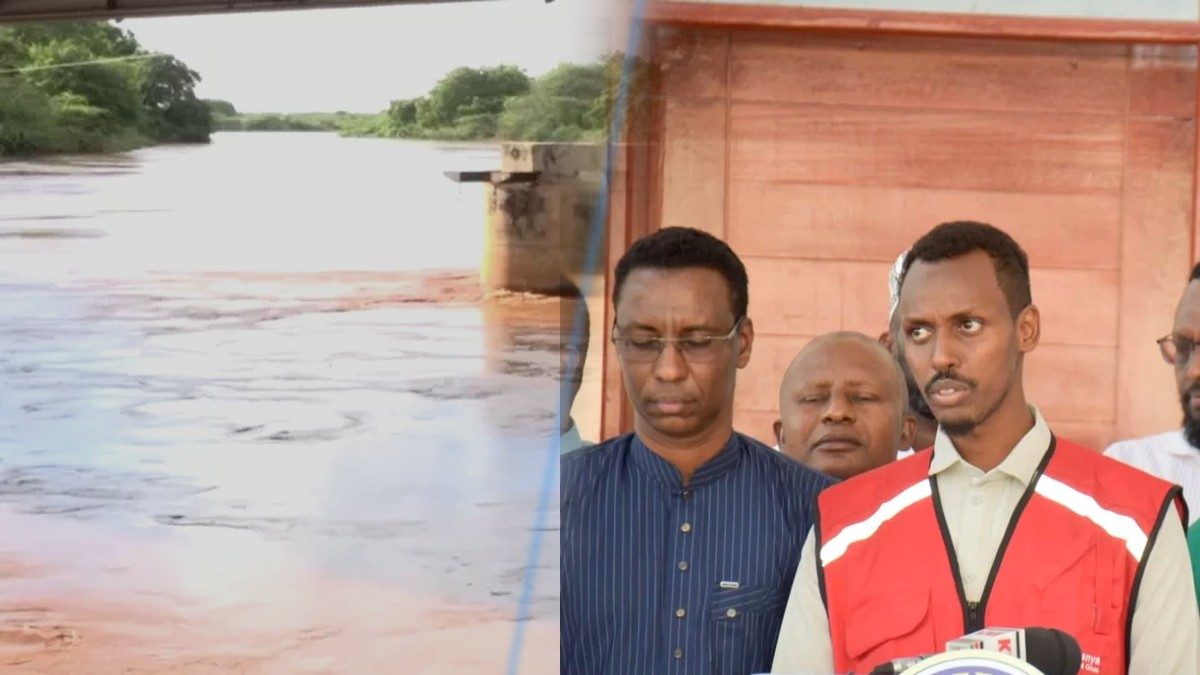
From 2.6 to 4.6 metres in two days: River Tana swells as 700 people in Garissa and Tana River are told to move to higher ground
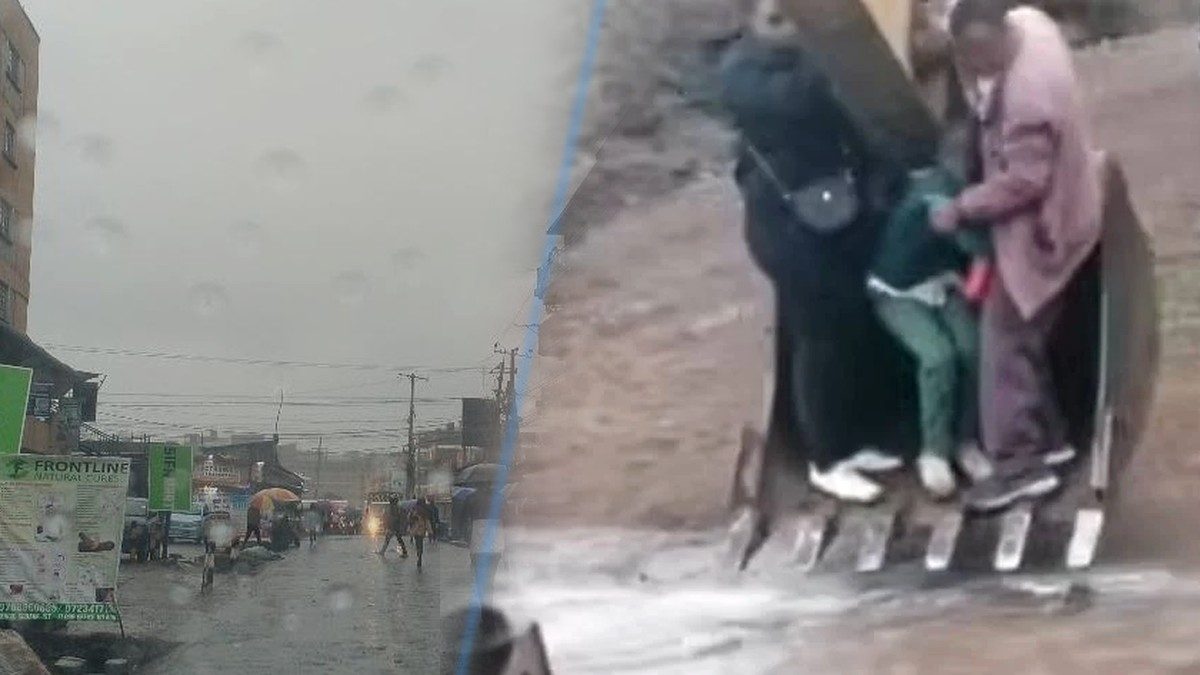
Students ferried across a flooded road in an excavator bucket as Met warns 40-plus counties to brace for above-average rains, floods and cholera
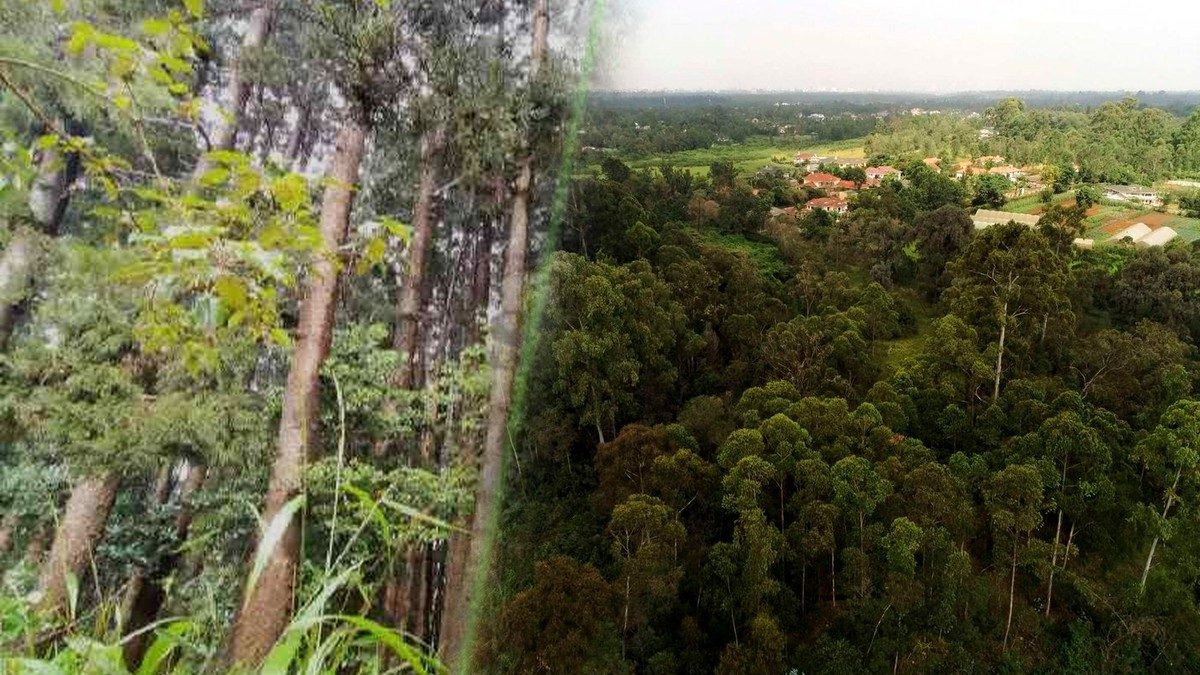
'Let us not set a precedent': 6,000 Lang'ata households push Parliament to carve 34 acres out of Ngong Road Forest as conservationists cry foul
Did you feel it? A magnitude-5 earthquake nearly 1,000km away in Tanzania sends a midday tremor through Nairobi, Kiambu and Kajiado
'Leave them and they rot from the inside': Forest Society chief defends logging in Aberdare, Ngong and Imenti as court order on Aberdare holds
Kenya signs China solar deal to power off-grid schools, clinics and water points in Tana River, Kilifi and Maasai Mara
Global Community Remarks
0