
Kenya signs China solar deal to power off-grid schools, clinics and water points in Tana River, Kilifi and Maasai Mara
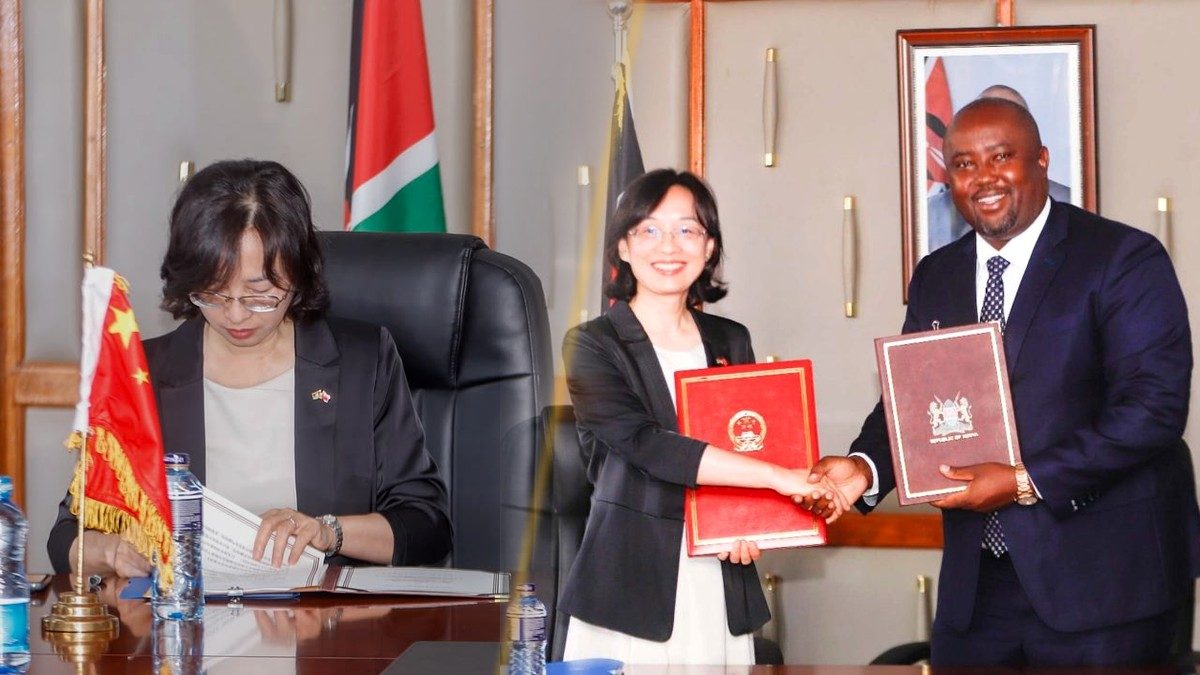
Kenya and China on Tuesday signed a memorandum of understanding to install 80 off-grid solar power systems in remote parts of the country, targeting schools, health facilities and community water supplies that have never had reliable electricity.
The agreement, signed at the Kawi Complex in Nairobi, brings Kenya into China's Africa Solar Belt Project, an initiative Beijing announced at the inaugural Africa Climate Summit in Nairobi in 2023 as part of its South-South climate cooperation programme.
Who signed and what was agreed
Principal Secretary for Energy Alex Wachira signed on behalf of the Ministry of Energy and Petroleum, while Chinese ambassador to Kenya Guo Haiyan signed for China's Ministry of Ecology and Environment. UNICEF's representative to Kenya, Dr Shaheen Nilofer, witnessed the signing as a third-party partner.
According to the State Department for Energy, the framework covers the deployment of 80 off-grid solar photovoltaic systems. The initial sites named are Tana River County, Kilifi County and the area around Maasai Mara University in Narok.
"The signing of this MOU is an important step for this project to be implemented in Kenya," the Chinese embassy in Nairobi said in a statement, adding that the systems "will provide renewable energy power supply to schools, health facilities and support water systems".
What the solar systems will do
The installations are meant for public facilities in places where extending the national grid is slow and expensive. In schools, the ministry says the power will run digital learning equipment, improve classroom conditions and keep essential services going after dark. At health centres it will support refrigeration, lighting and basic equipment, while solar pumps will keep community water points running.
UNICEF is to bring matching funds, technical expertise and other resources, with a focus on outcomes for children and vulnerable communities. The project builds on China's Ten-Hundred-Thousand Initiative and its Belt and Road South-South Cooperation Initiative on Climate Change.
The Ministry of Energy said the deal fits the Government's push for decentralised renewable generation, equitable service delivery and community-level climate resilience, and aligns with Vision 2030 and the Bottom-Up Economic Transformation Agenda.
Both governments stressed that the installations must be properly operated and maintained over the long term, a recurring weakness of donor-funded solar projects in Kenya, where systems have been abandoned once batteries fail and no one is paid to service them.
Gaps still to be filled
Neither side disclosed the cost of the 80 systems, their capacity, or a timeline for installation. Officials at the signing did not say which contractor will supply the equipment or who will own the systems once they are commissioned.
The deal lands as Kenya continues to chase universal electricity access. Under the Kenya Power and REREC Last Mile programme, counties such as Busia are still connecting households at a cost of tens of millions of shillings per constituency, and Energy CS Opiyo Wandayi this week announced a Sh93.99 million programme to reach 1,198 households in Budalangi alone.
For communities in Tana River and Kilifi that sit far from any transformer, off-grid solar is likely to arrive long before a grid line does.
- 80 off-grid solar PV systems under China's Africa Solar Belt Project
- Initial sites: Tana River, Kilifi and Maasai Mara University
- Beneficiaries: schools, health facilities, water supply systems
- UNICEF to provide matching funds and technical support
- Cost and timeline not yet disclosed
Photos: KBC Digital / Ministry of Energy handout. Thumbnail design: HAMASTA MEDIA.


Take your event live to thousands.
Multi-camera live streams, panel discussions and digital broadcasts with professional crews.




More in Environment
See all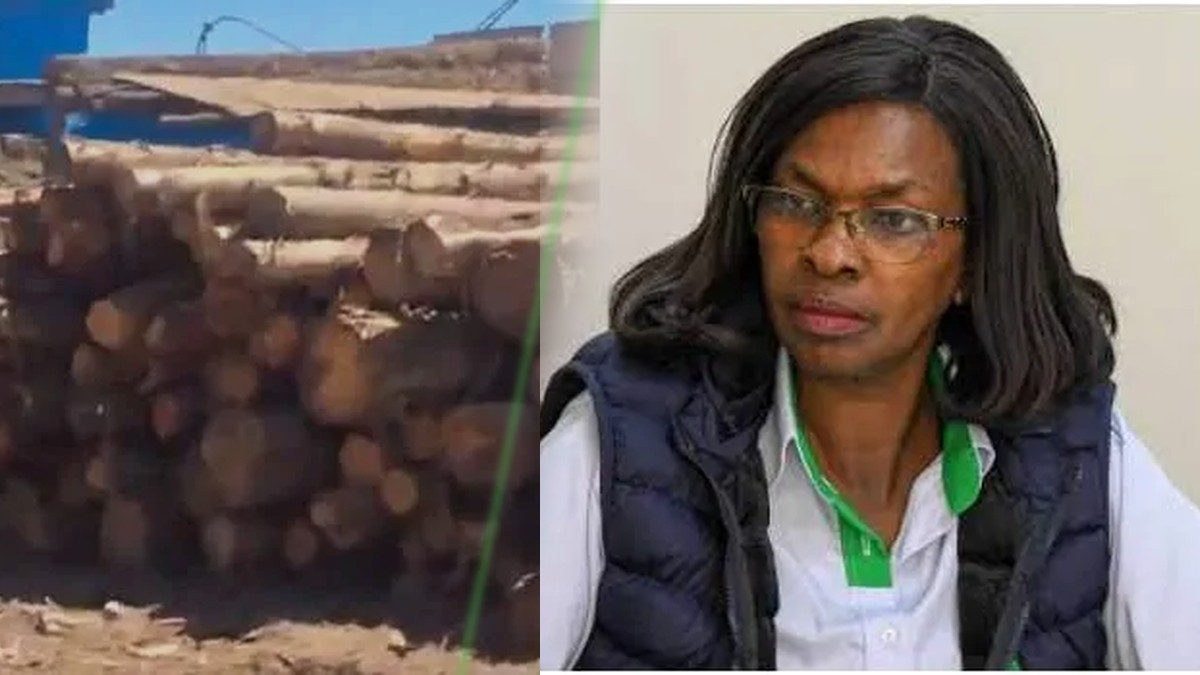
'Leave them and they rot from the inside': Forest Society chief defends logging in Aberdare, Ngong and Imenti as court order on Aberdare holds
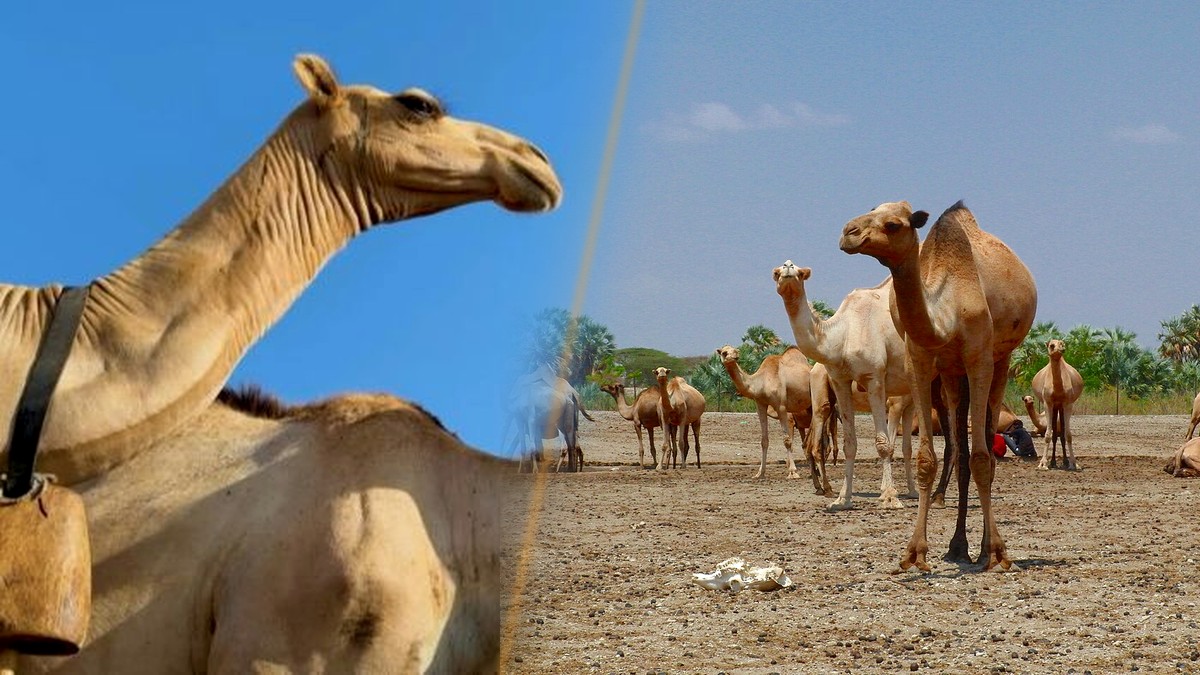
Do camels warm the planet less than cows? Kenya runs Africa's first trial to measure camel methane
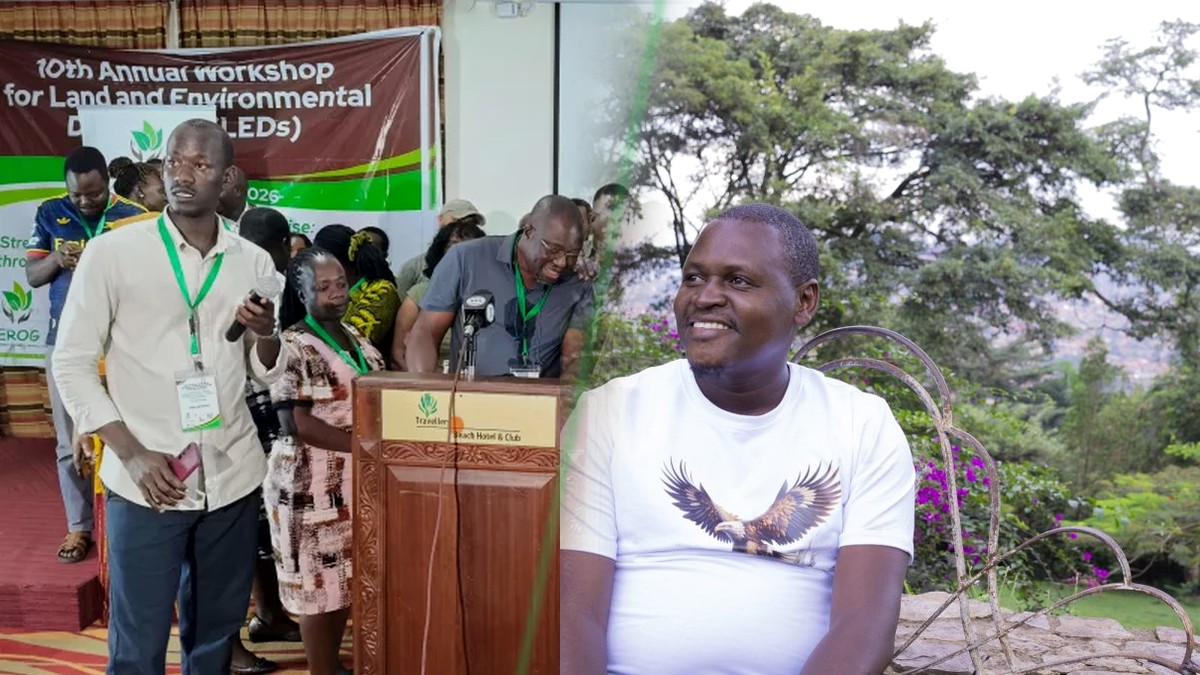
'Silenced with trumped-up charges': Coast green activists want convictions of two Kilifi defenders reviewed
Every village told to grow 1,000 trees a month as State turns to elders to hit one billion trees a year
Hot days, wet evenings: Met says over 40 counties will get above-average rain in November, but Nairobi and the north will also be warmer than usual
Global Community Remarks
0