
MPs give University of Nairobi until December 1 to explain how it will clear Sh20 billion debt

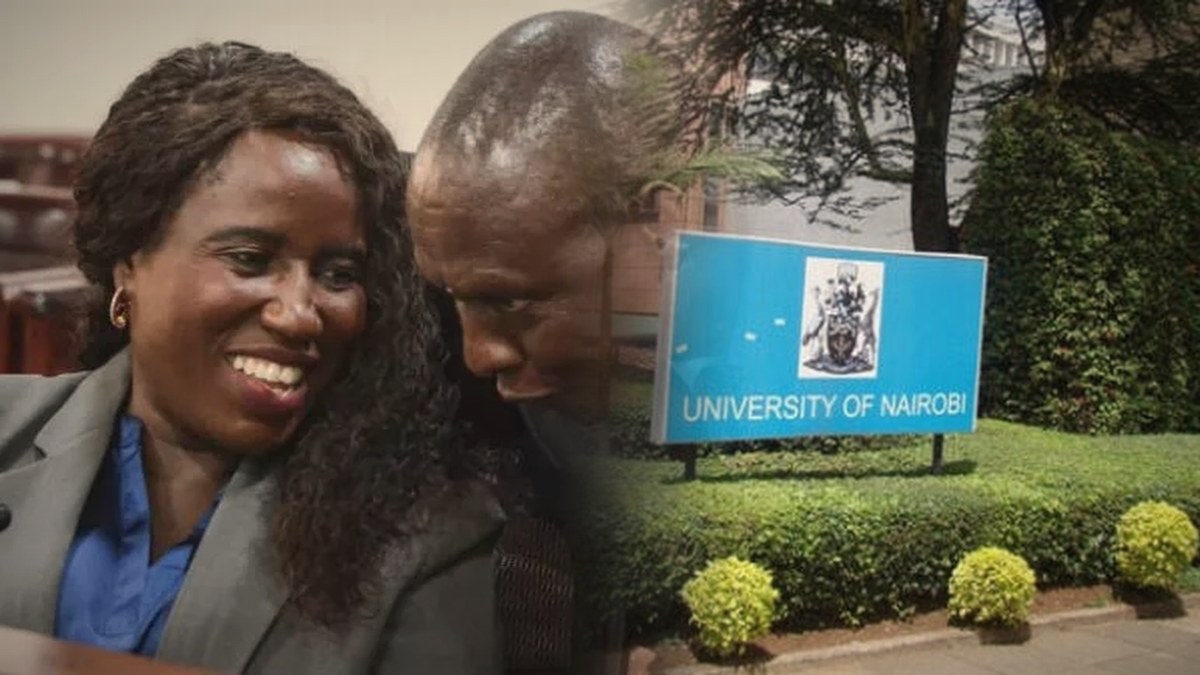
The University of Nairobi (UoN) has until December 1, 2026, to show Parliament how it will pay off a debt that its Vice-Chancellor puts at about Sh20 billion. MPs said they were not satisfied with the university's recovery plan.
The deadline was set by the National Assembly's Public Investments Committee on Governance and Education, chaired by Luanda MP Dick Maungu. On Thursday, October 22, the committee questioned Vice-Chancellor Prof Ayub Gitau and Deputy Vice-Chancellor Prof Josiah Aduda on the Auditor-General's reports covering the 2020/21 to 2024/25 financial years.
"Technically insolvent"
Auditor-General Nancy Gathungu's report for the year ended June 30, 2022 gave the university a qualified opinion and flagged material uncertainty about its ability to continue as a going concern. UoN posted a deficit of about Sh2.2 billion that year, pushing its accumulated deficit to Sh8.8 billion. Unremitted statutory deductions, including taxes and pension contributions, had risen to about Sh10.6 billion, The Star reported.
Aduda confirmed that the university was declared technically insolvent for the period under review because its liabilities were greater than its assets.
Gitau did not dispute that the university was in trouble but argued that it has a lot to fall back on.
"We have a debt of about Sh20 billion and an asset base of over Sh220 billion," the VC told the committee, according to The Star.
MPs unconvinced
The lawmakers were not persuaded. Maungu said creditors "will not mind about the asset base you have" and asked management for "actionable, pragmatic steps." Embakasi West MP Mark Mwenje asked outright: "Is the university solvent?" and warned of a "crisis at the University of Nairobi."
Central Imenti MP Moses Kirima asked for proof that austerity measures were working and raised concern over delayed pension remittances. Kasipul MP Boyd Were questioned the university's plan to raise money from its businesses, noting that some of its income-generating units were making losses.
The committee wants verifiable figures and a clear timeline showing how cost cuts, better revenue collection and spending controls will clear the arrears. It will keep examining the audit reports for the remaining years before it makes recommendations to the House.
How the hole was dug
Acting Director of Finance Stephen Kimeli blamed much of the shortfall on the Differentiated Unit Cost funding model introduced in 2017/18, which he said left a funding gap of about Sh1.6 billion, along with a growing wage bill.
Management says it plans to lease out property, review the value of its assets through a committee led by the deputy vice-chancellor for finance, increase enrolment, revive income-generating units and expand research under its 2023-27 strategic plan. Aduda said tighter spending controls were already improving revenue and cutting costs, adding: "when you are in a hole, you don't continue digging."
A sector-wide problem
UoN is not alone. Debts and pending bills at public universities have passed Sh100 billion, Kenyans.co.ke reported. Egerton University reportedly owes about Sh25.5 billion, Kenyatta University Sh12.8 billion and Moi University about Sh10.4 billion. President William Ruto has promised to clear the universities' accumulated debts within two to three years, while urging the institutions to make money from their assets and find new sources of income.
Photos: The Star, Capital FM
Every moment, captured beautifully.
Events, corporate portraits, products and editorial shoots by our newsroom photographers.





More in Education
See all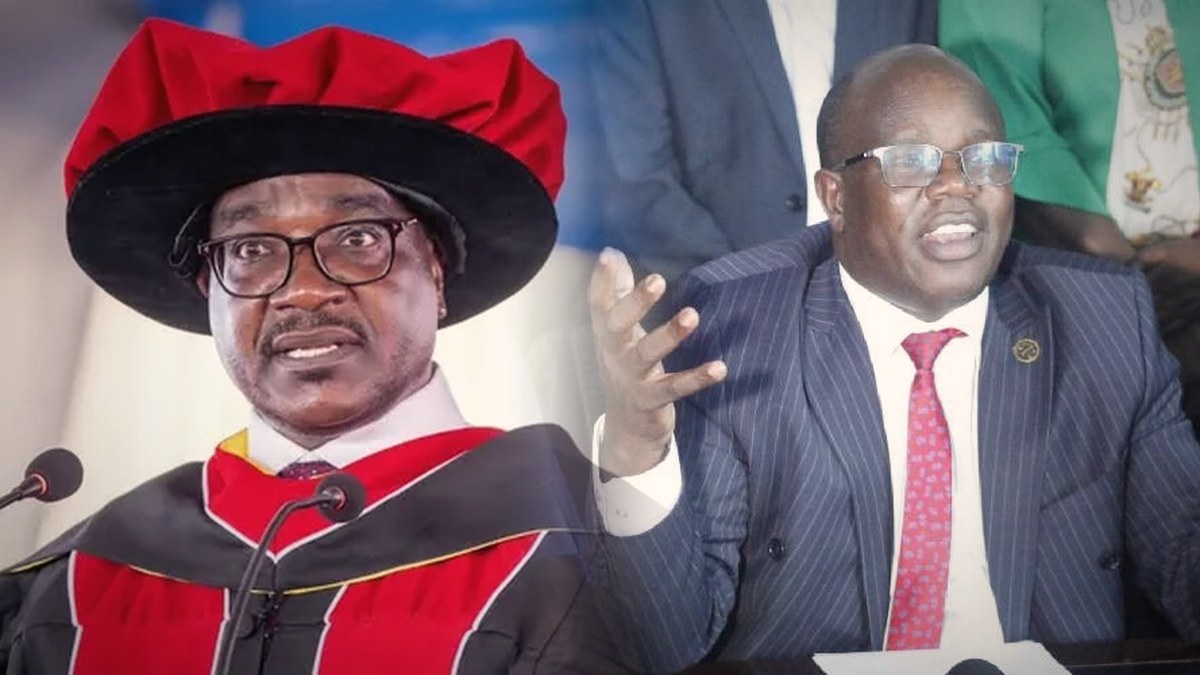
Lecturers' strike enters fourth week as Ogamba turns to Treasury and SRC for better offer and UASU vows to stay out
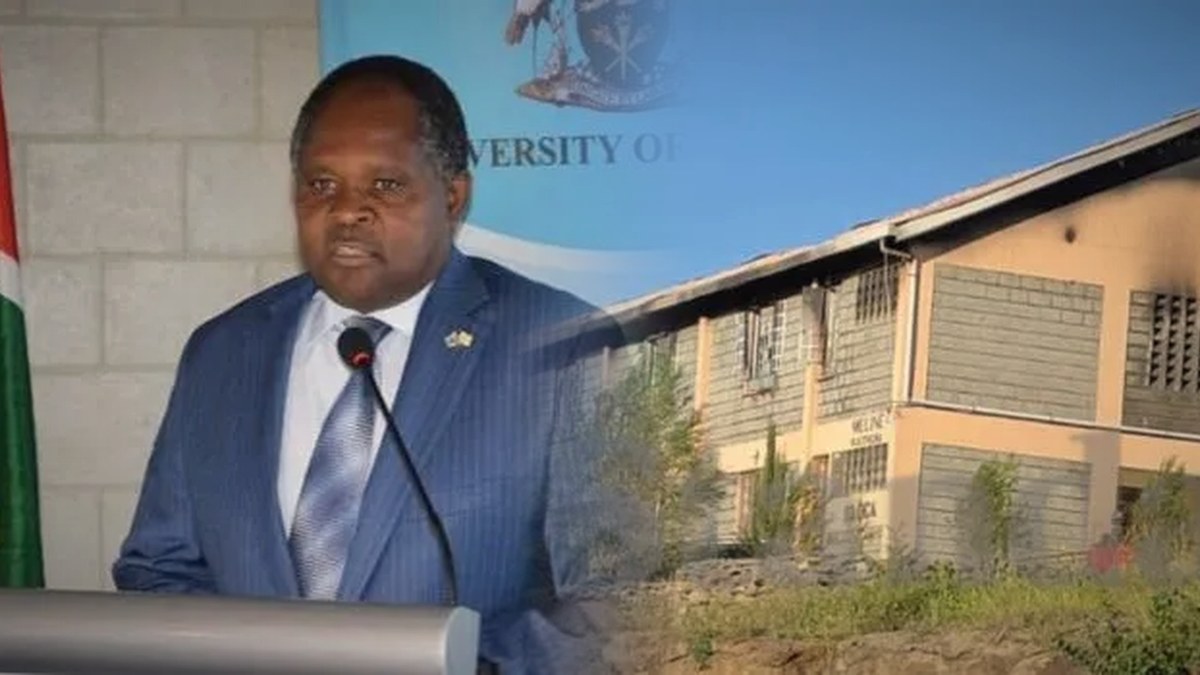
Ogamba names ex-UoN VC Peter Mbithi to lead 52-member team probing school unrest
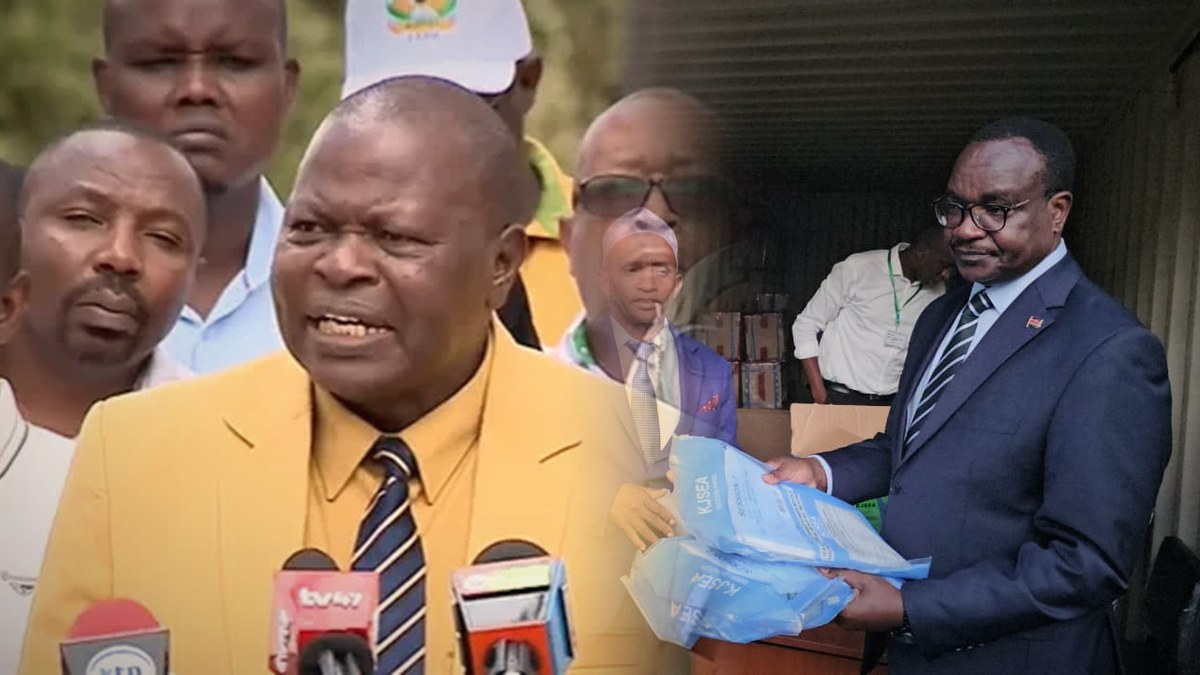
MPs back KUPPET push for higher pay for exam supervisors and markers as national exams get underway

More than 260,000 learners missing from this year's KCSE and KJSEA registers
KPSEA and KJSEA begin as Ogamba warns parents against fake exam paper sellers
Eggs, sausages and chicken: Principals defend extra fees as MPs insist enhanced menus need ministry approval
Global Community Remarks
0