
Smuggled Congo gold now main source of cash for ADF rebels, with trail leading to Uganda, report says

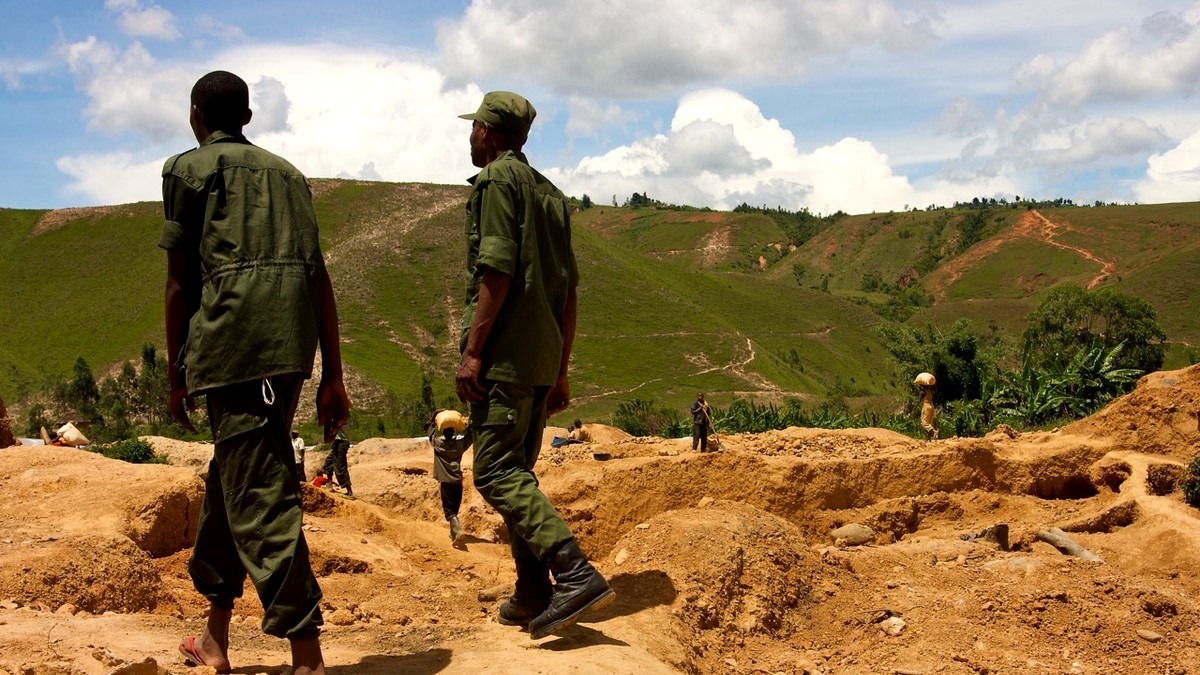
Gold mined in rebel-held areas of eastern Democratic Republic of Congo has become the main source of funding for the Allied Democratic Forces (ADF), and much of it ends up in Uganda, according to a new investigation by the US-based watchdog The Sentry.
The report, titled "Gold-Backed Brutality: The ADF's Conflict Gold Trade" and released on Tuesday, says the Islamic State-linked group has adapted to military pressure and sanctions by building its own local revenue streams, cutting its reliance on outside funding.
Up to $1.6 million from one mining area
The Sentry estimates that the ADF could earn between $1 million (about Sh129 million) and $1.6 million (about Sh207 million) a year from gold sites around Manguredjipa in North Kivu province alone. Mines under the group's influence there are estimated to produce about 800kg of gold a year.
The investigators say the figure is based on assumptions drawn from other conflict settings and does not represent the group's total income. After gold, the ADF also raises money from cocoa, racketeering and kidnapping, with abductions also used to supply labour and recruits.
According to the report, of 54 gold buyers still operating in Manguredjipa in March, at least 30 knowingly bought from ADF-controlled and other armed-group sites and resold to licensed buying houses in Butembo that supply Uganda-based refineries. The rest allegedly smuggled gold straight into Uganda.
"The ADF has adapted to military pressure and sanctions by finding new ways to fund its operations," The Sentry's executive director Justyna Gudzowska said, as quoted by Reuters.
Uganda under scrutiny
The findings are likely to increase pressure on Uganda, whose gold exports have soared in recent years. Bank of Uganda figures show gold earned $9.5 billion in the 12 months to August, about 58 per cent of total exports, even though domestic production is small. A UN Group of Experts said in June that much of the rise in Uganda's gold exports was linked to gold originating from Congo.
The Sentry also argues that Operation Shujaa, the joint campaign by the Ugandan and Congolese armies launched in November 2021, has pushed the ADF into other gold- and cocoa-rich areas rather than defeating it.
"Uganda's joint military operation targeting the ADF has merely displaced it," said the group's co-founder John Prendergast, who added that the operation serves Uganda's economic interests.
The report does not name any Ugandan refinery, trader or exporter, and it does not establish how much ADF-linked gold reaches Uganda. Kampala had not publicly responded to the findings at the time of publication.
Calls for sanctions
The Sentry wants the UN Security Council, the United States, Britain and the European Union to investigate supply chains linking eastern Congo to Ugandan traders and refiners, and to consider sanctions on intermediaries who knowingly or negligently launder ADF gold.
The investigation draws on more than 100 interviews with miners, traders, smugglers, financiers, former hostages and officials. The ADF, which began as a Ugandan rebel movement, was ranked by conflict monitor ACLED as the world's second-deadliest non-state armed group in 2025. Congo's army is meanwhile also fighting the M23 rebels, which the report says has drawn attention and resources away from the ADF.
Photos: Sasha Lezhnev/Enough Project via CEO East Africa. Thumbnail design: HAMASTA MEDIA.
Every moment, captured beautifully.
Events, corporate portraits, products and editorial shoots by our newsroom photographers.





More in International
See all
Zimbabwe court frees VP Chiwenga's ex-wife Marry Mubaiwa as seven-year attempted murder case collapses

Machado returns to Venezuela after 10 months in exile, offers talks with interim President Delcy Rodríguez
Lula wins record fourth term in Brazil as markets crash and Flávio Bolsonaro seeks annulment
Saudi, Pakistani and Turkish envoys rush to Tehran to stop Iran war from reigniting

Israel votes as Eisenkot challenges Netanyahu in first election since October 7
UN to shut down its political mission in Somalia on October 31, ending more than three decades of missions
Global Community Remarks
0