
University of Nairobi pension hole doubles to Sh10bn as MPs give management 14 days to show proof

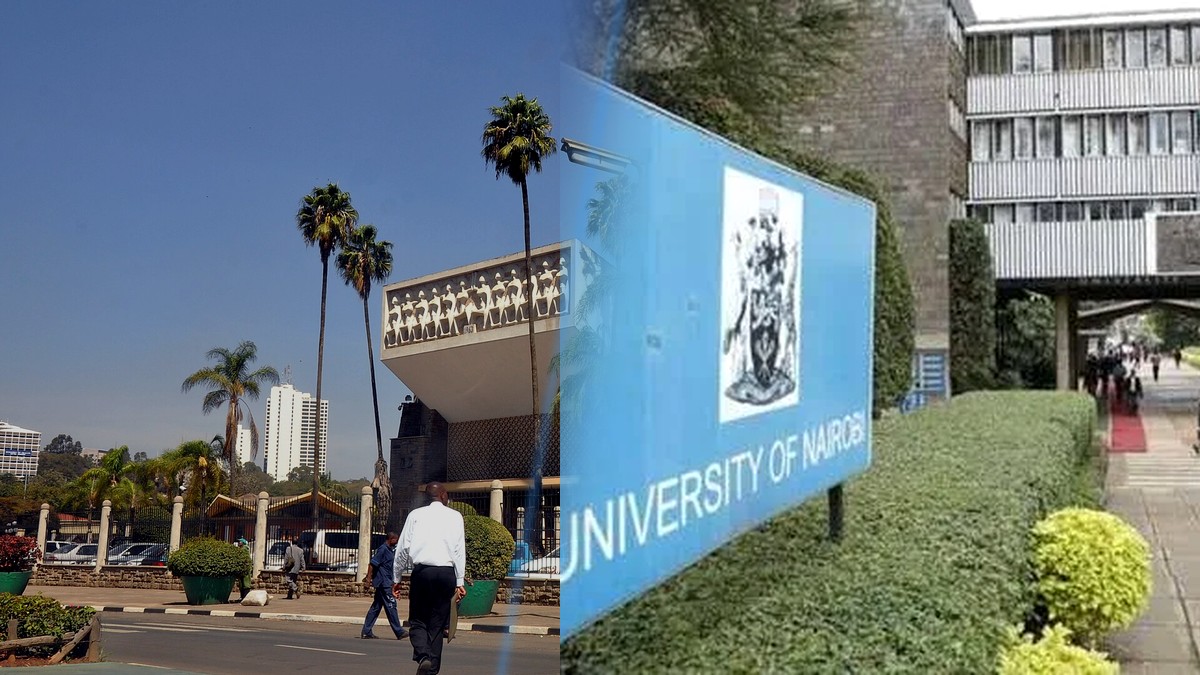
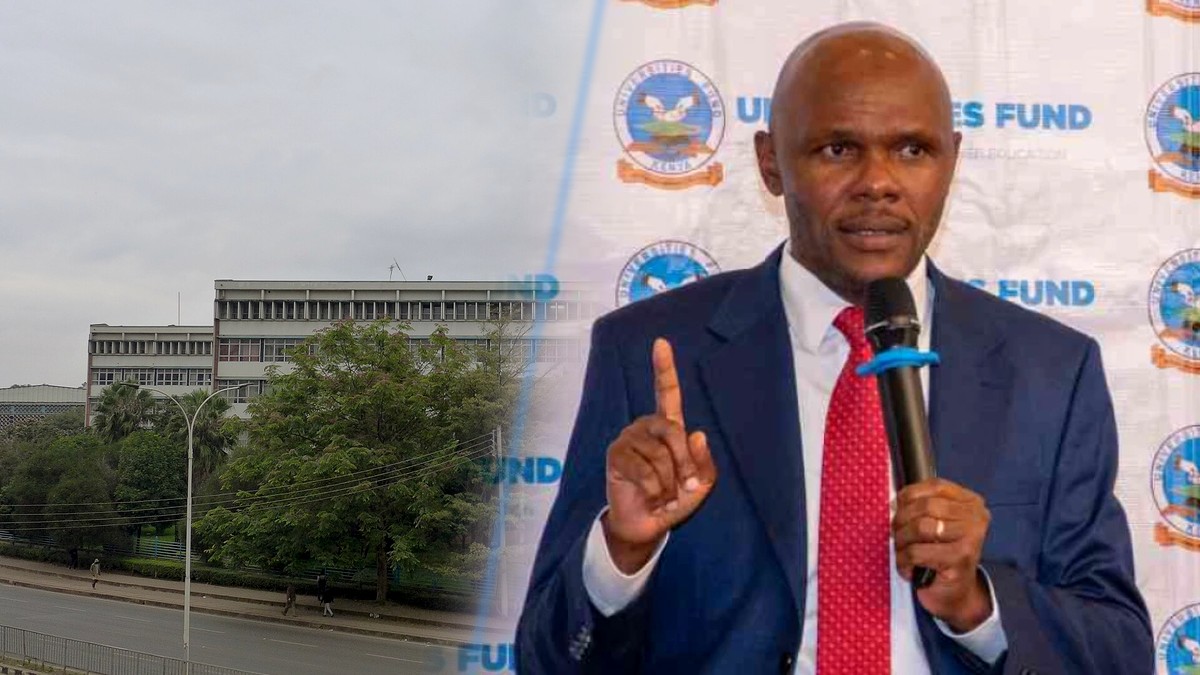
The University of Nairobi (UoN) has two weeks to produce documents explaining billions of shillings in unpaid pension contributions and taxes, after MPs rejected management's verbal explanations of how the institution's debts piled up.
The directive came on Wednesday from the National Assembly's Public Investments Committee on Governance and Education, chaired by Luanda MP Dick Maungu, which was examining Auditor-General reports for the 2020/2021 to 2024/2025 financial years.
Deficit has doubled
Appearing before the committee, Vice-Chancellor Prof Ayub Njoroge Gitau said the university's pension deficit had grown from about Sh5 billion to more than Sh10 billion. He said the university had begun paying retiring staff their benefits and had resumed remitting pension deductions in recent months, but admitted that it was still financially stretched.
He told MPs that management was working with the pension scheme's trustees on a recovery plan and was considering using university land and other assets to help clear the shortfall.
The Auditor-General had flagged that UoN failed to remit about Sh1.4 billion in pension contributions and Sh50 million in Pay As You Earn (PAYE) tax in the 2021/2022 financial year alone.
'Nothing to support the good stories'
Members were not satisfied. "There's nothing to support the good stories," Maungu told the officials, asking for proof of payments made and of any agreements reached with statutory bodies.
Lungalunga MP Chiforomodo Mangale wanted to know how deductions taken from workers' pay had been allowed to build up unremitted. "How did it happen that there was an accumulation of up to Sh5 billion?" he asked, adding: "We are not here to sanitise issues."
Kasipul MP Boyd Were warned that penalties and interest on the unpaid taxes could push the bill even higher, while Central Imenti MP Moses Kirima called for a full examination of the university's books, likening the situation to earlier concerns at Moi University.
The committee asked for correspondence with the Retirement Benefits Authority and the Kenya Revenue Authority, payment schedules and remittance records.
Why the money ran out
Deputy Vice-Chancellor (Finance, Planning and Development) Prof Josiah Omollo Aduda said the university had submitted a remedial payment plan to the Retirement Benefits Authority and was in talks with KRA over the tax arrears.
Acting Finance Director Stephen Kimeli blamed several pressures, among them:
- the cost of implementing collective bargaining agreements with staff
- falling student numbers and changes to how universities are funded
- the lingering effects of the Covid-19 pandemic
- disruption caused by staff strikes
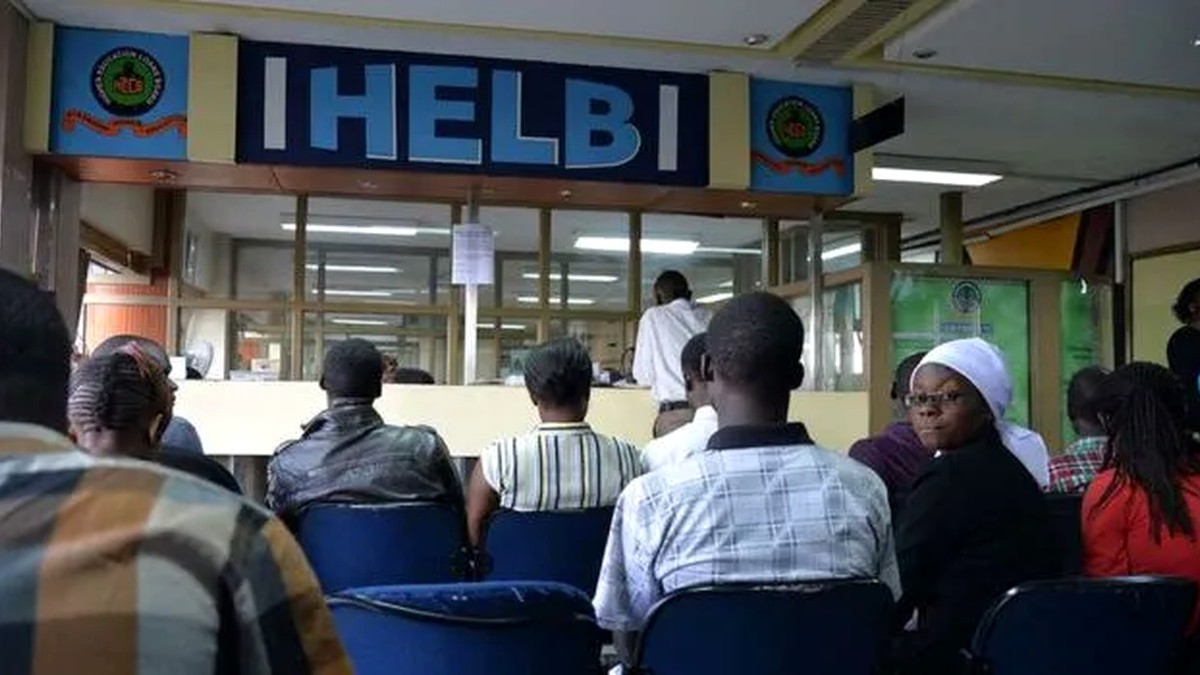
Management also said the government owes the university slightly more than Sh3 billion in outstanding funding and HELB-related payments, down from nearly Sh5 billion. Cost-cutting measures targeting personnel costs, post-retirement contracts and staff meals have been introduced, and proposals to commercialise university property, backed by a fresh valuation, have been sent to the university council.
The hearing comes as public universities grapple with a funding squeeze, with lecturers only this week agreeing to end a weeks-long strike.
Photos: Capital FM (University of Nairobi); Jorge Láscar via Wikimedia Commons (CC BY 2.0). Thumbnail design: HAMASTA MEDIA.

Tell your story on screen.
Commercials, documentaries, interviews and social video, from script to final cut.





More in Education
See all
HELB releases funds for three more loan batches as students wait on delayed tuition and upkeep cash
Nyatike teachers still waiting for hardship allowance years after approval, KNUT and MP Odege tell SRC to act
UASU Strike to End Friday After Deal with Government
Universities Fund faces Sh16bn scholarship gap as it plans to serve nearly 609,000 students
Stakeholders ask MPs to cut student loan salary deductions from 25% to 15%
Police fire teargas as UoN students block Waiyaki Way over lecturers' strike
Global Community Remarks
0