
Nyatike teachers still waiting for hardship allowance years after approval, KNUT and MP Odege tell SRC to act

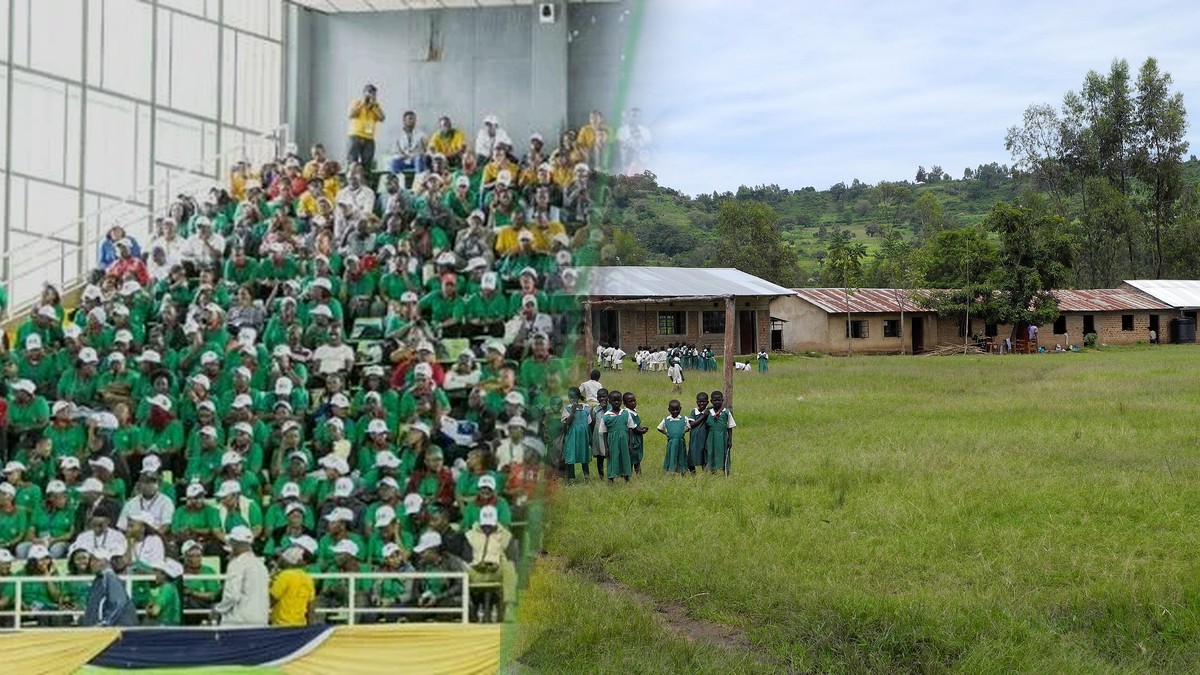
Teachers in Nyatike Constituency, Migori County, are still waiting for a hardship allowance years after the request was approved, prompting the Kenya National Union of Teachers (KNUT), the area MP and Teachers Service Commission (TSC) officials to put pressure on the Salaries and Remuneration Commission (SRC) to act.
The matter dominated a public meeting with teachers in Nyatike on Wednesday, October 28, where speakers said floods, drought and tough living conditions make it hard to attract and keep teachers in the lakeside constituency.
Approved but not paid
Nyatike MP Tom Odege said he took a petition to Parliament seeking to have the area recognised as a hardship zone and that the House approved it, but implementation has stalled. "I do not know why we are experiencing these delays in this constituency," he said, according to Kenyans.co.ke. Odege has previously described Nyatike as semi-arid and prone to both flooding and drought.
KNUT Secretary-General Collins Oyuu said the area meets the criteria for the allowance, yet teachers have not seen it in their payslips. He urged them to engage the SRC directly, since its recommendation is the step needed before payment can start.
The TSC's top official at the meeting said the commission had forwarded the report through the relevant committees to Parliament and questioned why the SRC had not acted on it. He said teachers in the area suffer most during the examination season, when some must wake up as early as 4am to reach examination centres in time for invigilation.
Union wants a seat at the table
KNUT Migori County Treasurer Felix Oloo said the union must be involved in how the allowance is implemented to make sure no eligible teacher is left out.
The issues raised by teachers in Nyatike include:
- Long and costly journeys to schools and examination centres
- Frequent flooding and drought that disrupt learning
- Difficulty retaining teachers posted to remote schools
A wider fight over hardship areas
Teachers in gazetted hardship areas currently receive an allowance of about 30 per cent of their basic salary, and unions have been pushing for it to rise to 40 per cent. The unions have also opposed earlier government plans to review and reduce the list of hardship areas in a bid to cut the public wage bill.
The Nyatike case comes as teachers across the country prepare to supervise national examinations, a period when those in remote parts of Migori and similar areas say the lack of the allowance is felt most.
Photos: Kenyans.co.ke (file); SuSanA Secretariat via Wikimedia Commons (CC BY 2.0). Thumbnail design: HAMASTA MEDIA.
Every moment, captured beautifully.
Events, corporate portraits, products and editorial shoots by our newsroom photographers.





More in Education
See all
HELB releases funds for three more loan batches as students wait on delayed tuition and upkeep cash

University of Nairobi pension hole doubles to Sh10bn as MPs give management 14 days to show proof

UASU Strike to End Friday After Deal with Government
Universities Fund faces Sh16bn scholarship gap as it plans to serve nearly 609,000 students
Stakeholders ask MPs to cut student loan salary deductions from 25% to 15%
Police fire teargas as UoN students block Waiyaki Way over lecturers' strike
Global Community Remarks
0