
Court bars Shanta Gold from mining private land in Siaya's Ramula without owners' consent, freezes licence bid

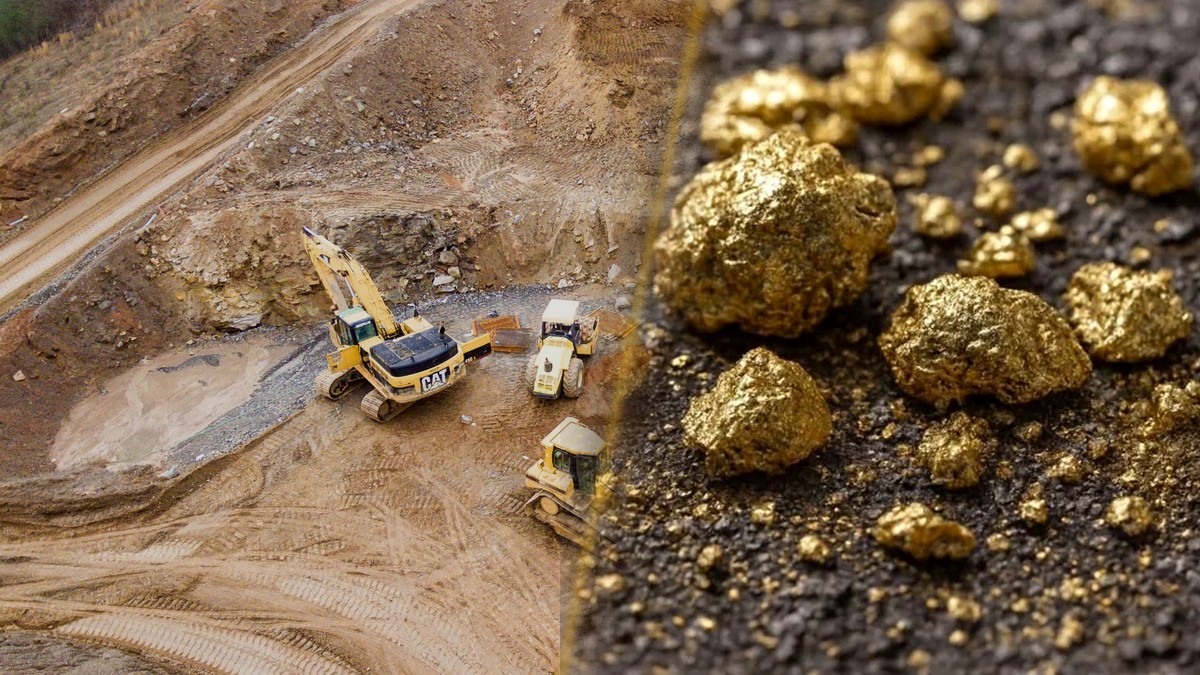
Residents of Ramula in Siaya County have won a major round in their fight against a planned gold mine after a court barred Shanta Gold from entering, prospecting, drilling, clearing or excavating private land in the area without the express consent of the registered owners.
The judgment, reported on Thursday, covers Ramula, Monungo and Uranga sublocations, where the company has been pursuing the Ramula Mboma gold project under mining licence application number 0200. Citizen Digital describes the court as the High Court, while Uzalendo News places the case before the Environment and Land Court in Siaya. The consolidated petitions by residents were partly successful.
Consent comes first
The court held that holding a prospecting licence does not on its own give a company the right to interfere with privately owned land. It declared that the express consent of registered owners, as required by the Mining Act, is a condition precedent before prospecting or mining rights can be granted or exercised over private property.
Among the key orders:
- No mining licence may be issued for application 0200 until there is documentary proof that every affected registered owner has consented.
- Other approvals required under Section 36(2) of the Mining Act, including from the Siaya County government where applicable, must be considered before any mineral right is recommended.
- Objections lodged after a Kenya Gazette notice of August 1, 2025, and earlier objections by the petitioners, must be considered afresh, and approvals made before then must not be acted on.
- The company and authorities may not resettle, relocate or displace residents except in strict compliance with the Mining Act.
- No licence may be granted until a framework agreement on how benefits will be shared is concluded.
Information and the 2019 licence
According to Uzalendo News, the court also found that the licensing authority did not comply with Section 34 of the Mining Act when it issued the prospecting licence in August 2019, a lapse it said offended constitutional principles of good governance, fair administrative action and environmental protection.
The petitioners had complained that their requests for information about the project went unanswered. The court found that state agencies had published some project information through official notices and online portals, but it faulted Shanta Gold for its silence, describing the company's failure to respond as not commendable.
The respondents have six months to report back on compliance. Because the dispute was in the public interest, each side will bear its own costs.
Long-running fight
Opposition to the project has been building for months. In April, residents went to court arguing that the company had not disclosed the exact parcels it intended to use or secured landowners' express consent. The ruling comes as gold exploration in Siaya draws growing investor interest alongside community concern over land, compensation and the environment.
Shanta Gold had not publicly responded to the judgment by the time of publication.
Photos: Uzalendo News; The Eastleigh Voice. Thumbnail design: HAMASTA MEDIA.



Know what people say about you.
Media monitoring, audience insights and strategic communication for your brand.


More in Environment
See all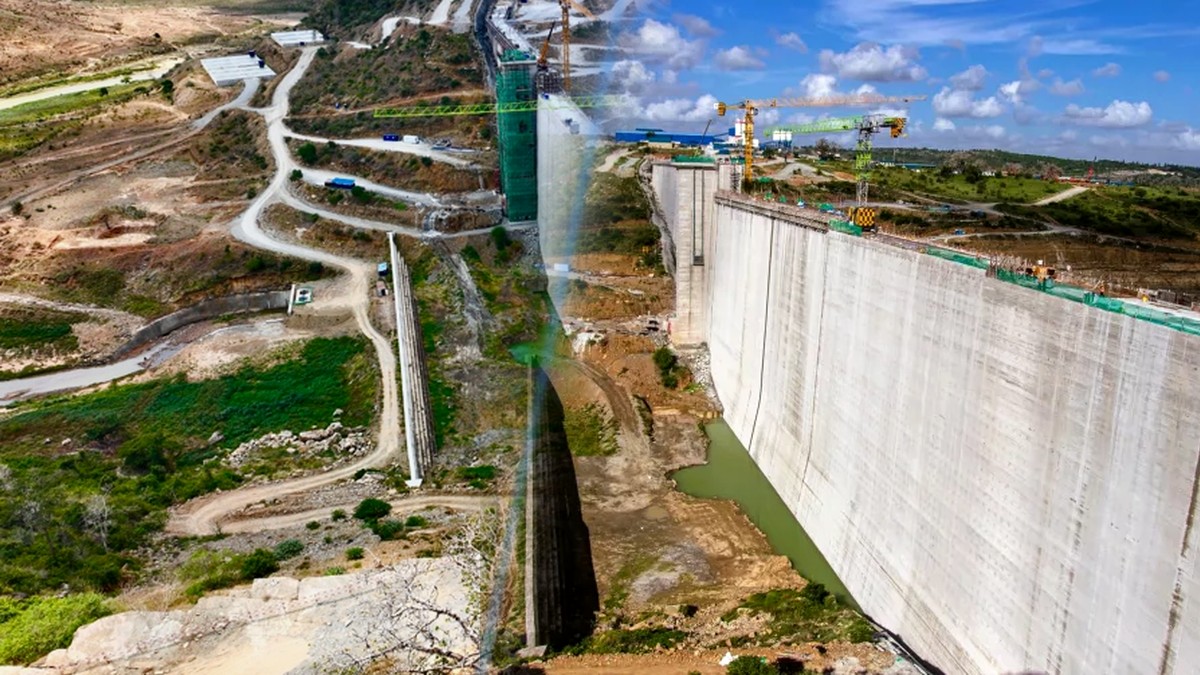
Sh45bn Mwache Dam in Kwale nears completion as CS Mugaa says pipelines still need funding
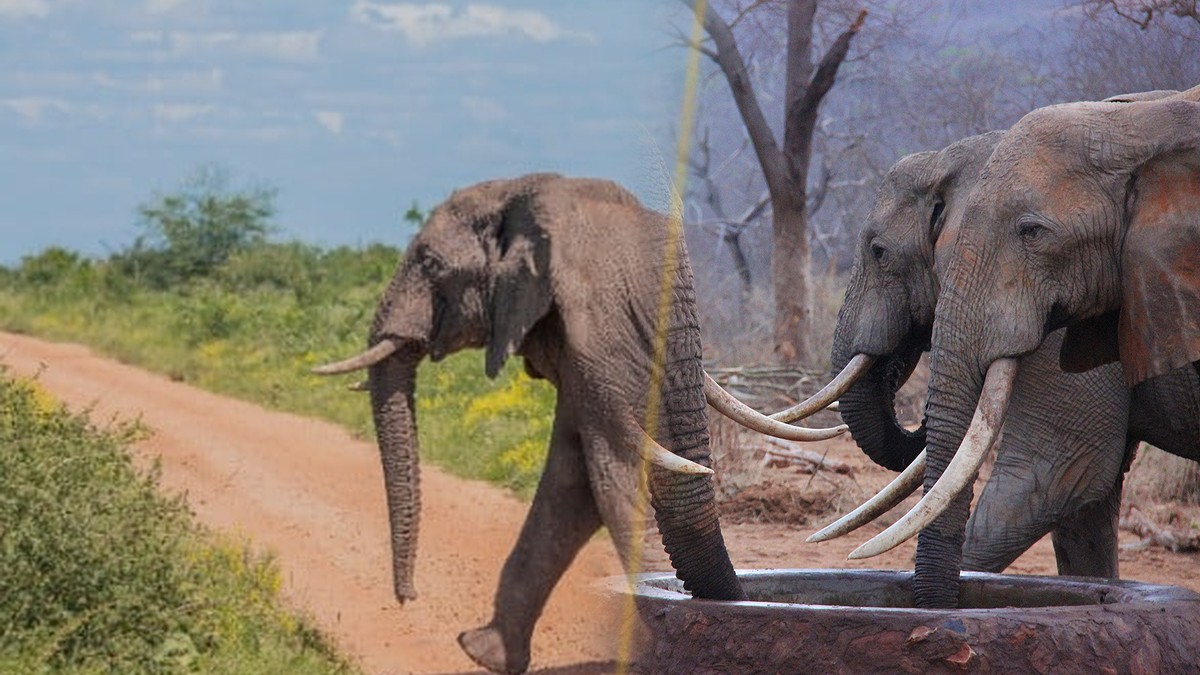
Elephants kill herder in Ganze and 72-year-old man in Kasigau as Coast human-wildlife conflict claims two lives
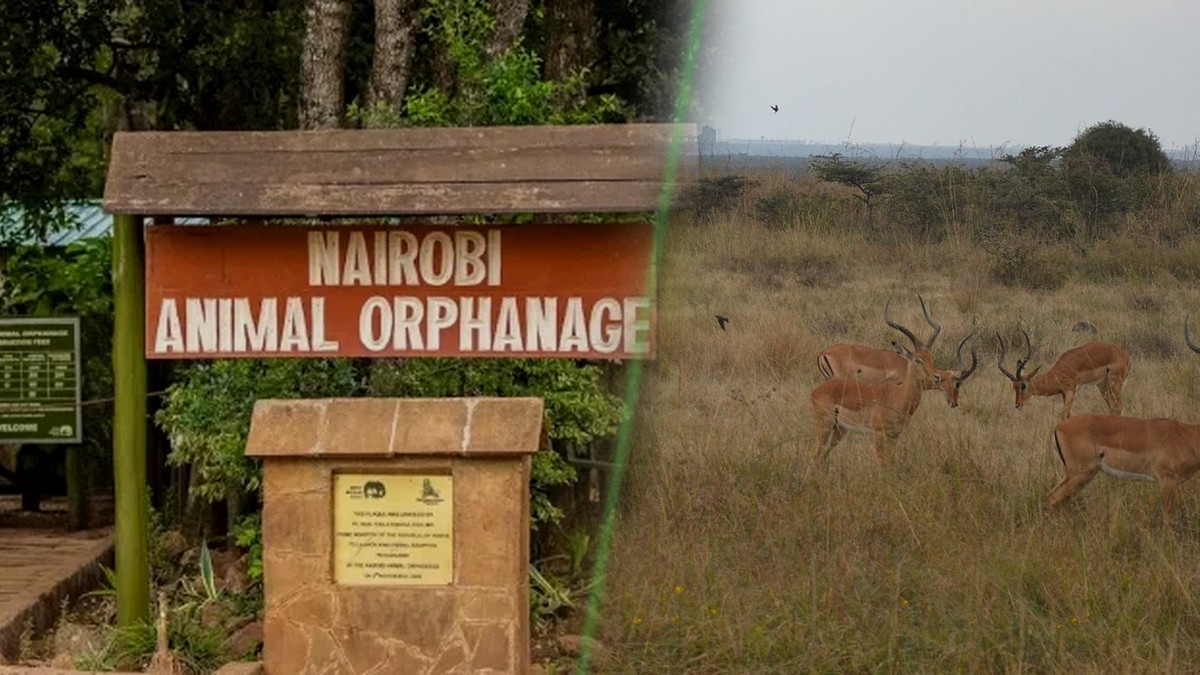
Court stops KWS car park at Nairobi Animal Orphanage, bars any work that could destroy the park

KWS shoots Kitui elephant blamed for killing resident as State says conflict compensation costs Sh1 billion a year
Bushmeat trade kills over 300,000 wild animals a year in Kenya-Tanzania borderlands as KWS targets motorbike couriers
NEMA opens 30-day public review of 7,128-unit Southlands housing project in Lang'ata after court quashed earlier licence
Global Community Remarks
0