
'Kenya could have saved up to Sh117 billion': World Bank says taxpayers overpaid for SGR as power costs 50pc more than in Uganda

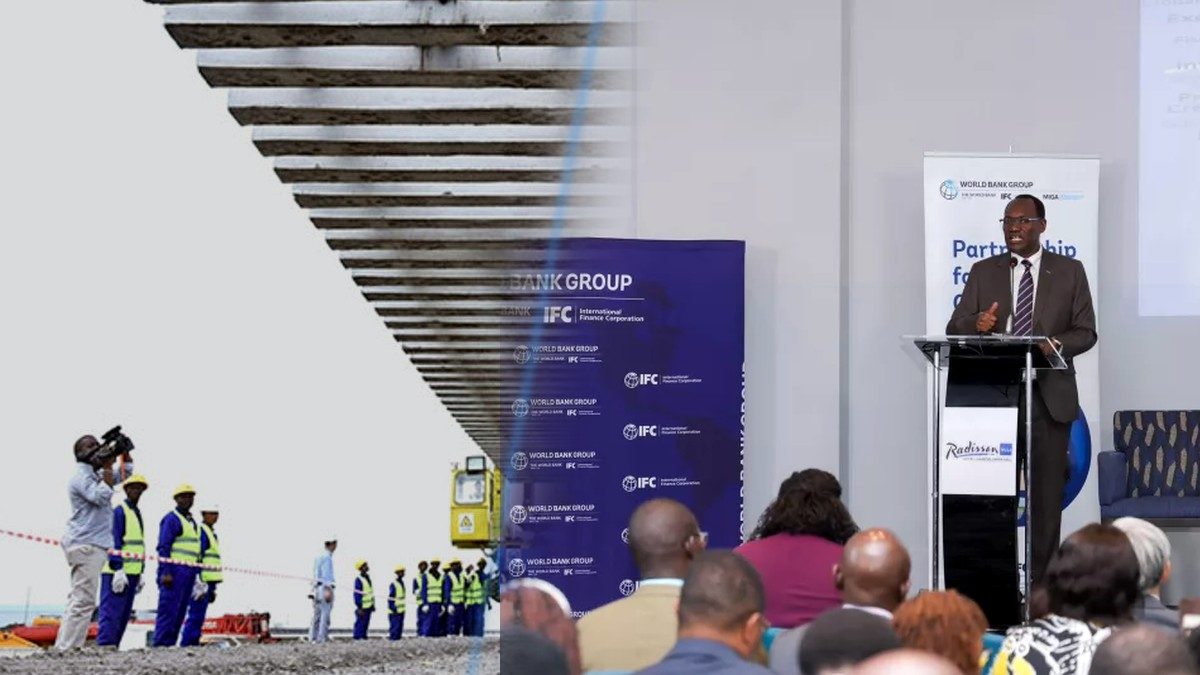
Every kilometre of the Mombasa-Nairobi railway cost Kenya about Sh988 million, a third more than Tanzania paid for an electrified line, and the World Bank now says up to Sh117 billion of that bill could have been avoided.
The finding is one of several sharp conclusions in the bank's November 2026 Kenya Economic Update, which identifies corruption as the single biggest constraint holding back the economy and links it directly to costs every Kenyan pays, from train tickets to token top-ups.
The railway bill
"Kenya could have saved up to $900 million (Sh117 billion) in initial construction costs," the World Bank says of the Standard Gauge Railway, according to Business Daily. The bank attributes at least 30 per cent of the excess to governance failures, including direct contracting instead of open tendering, land speculation and fraud in land valuation and compensation.
It compares the cost per kilometre across three Chinese-built lines:
- Mombasa-Nairobi (diesel): about Sh988 million per km.
- Dar es Salaam-Dodoma, Tanzania (electrified): about Sh740.8 million per km.
- Djibouti-Addis Ababa (electrified): about Sh689 million per km.
Kenya's is the only one of the three that is not electrified, and the Ethiopian line climbs far higher. Kenya borrowed about Sh649.9 billion from China Exim Bank in 2014 and 2015 for the project. The contracts remain largely secret, with the government citing confidentiality clauses even after the Court of Appeal rejected its bid to keep them hidden in May.
Why your power bill is so high
The same report, as reported by Kenyans.co.ke, says businesses in Kenya pay an average of Sh22.60 per kilowatt-hour, against Sh15.20 in Uganda and Sh10.10 in Vietnam. Households pay about Sh28.40.
The bank blames expensive and opaque power purchase agreements with independent producers. Only 24 per cent of the 42 agreements signed by Kenya Power went through competitive procurement, and some guarantee payments even when power is not used. It also flags that "public officials involved in the approval of the projects were later employed by or owned relevant generation companies, raising concerns about conflicts of interest." More than 23 per cent of generated power is lost before reaching consumers.
The price of graft
Citizen Digital reports the bank estimates that corruption widens the fiscal deficit by about 2 per cent of GDP and that 39 per cent of firms name it as their main obstacle. Ambitious governance reforms could lift GDP by more than 20 per cent above its current path and support over 7.7 million additional, better-quality jobs by 2035, the bank says.
"The economic gains from stronger governance can be quite substantial," said Qimiao Fan, the World Bank's country director for East Africa, adding that most of the reforms "do not require additional fiscal spending."
Treasury Principal Secretary Chris Kiptoo acknowledged that corruption was adding costs to public finances and raising the cost of doing business. The government has said the SGR extension from Naivasha to Malaba will be financed without Chinese loans.
Photos: Business Daily/Nation Media Group (file); The Star. Thumbnail design: HAMASTA MEDIA.




Show the impact of your work.
Impact stories, campaign videos and community engagement for NGOs and programmes.

More in Business
See all
Sh560 billion a year on imported food: Koskei leads dozens of PSs to Galana Kulalu with a plan to make Kilifi's dry plains feed Kenya
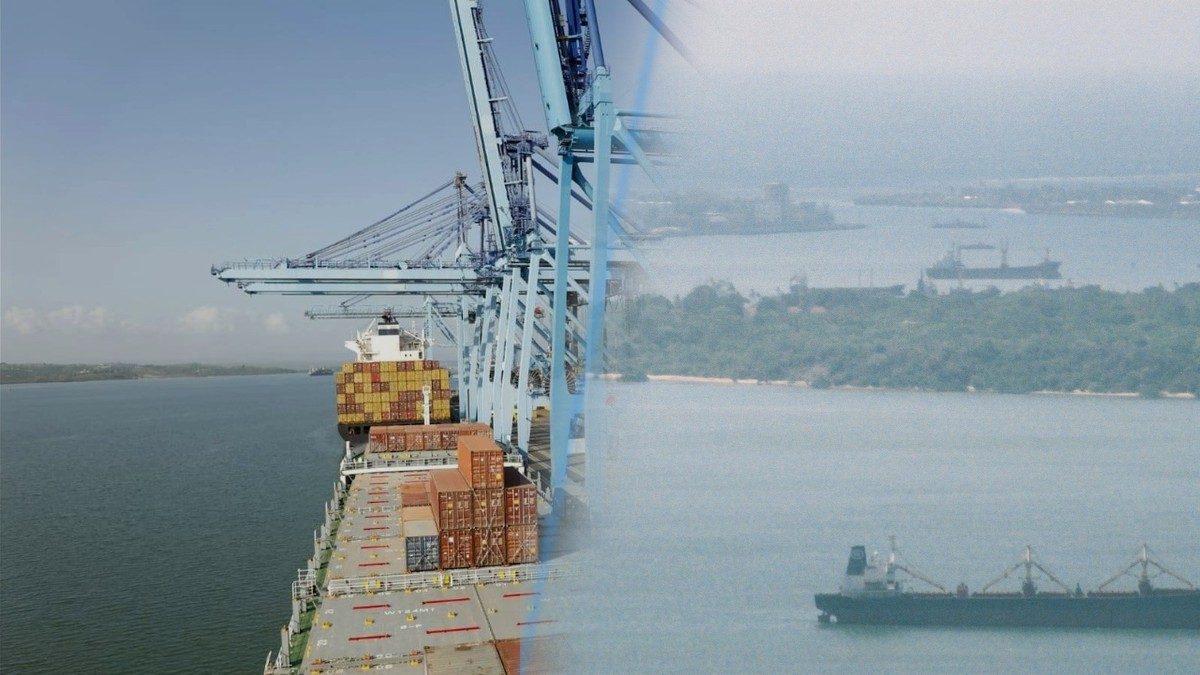
OPINION: 375th out of 403: Mombasa port does not need a new berth first, it needs a clean-up
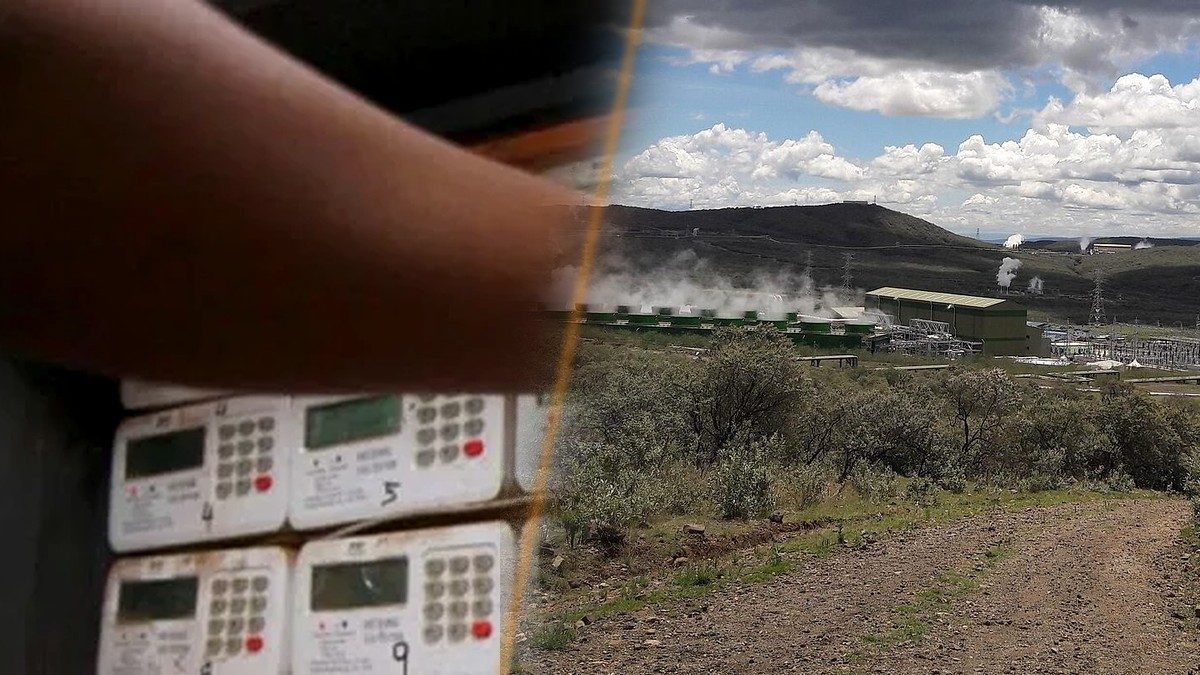
OPINION: You are paying for power nobody used. Publish every power purchase agreement now
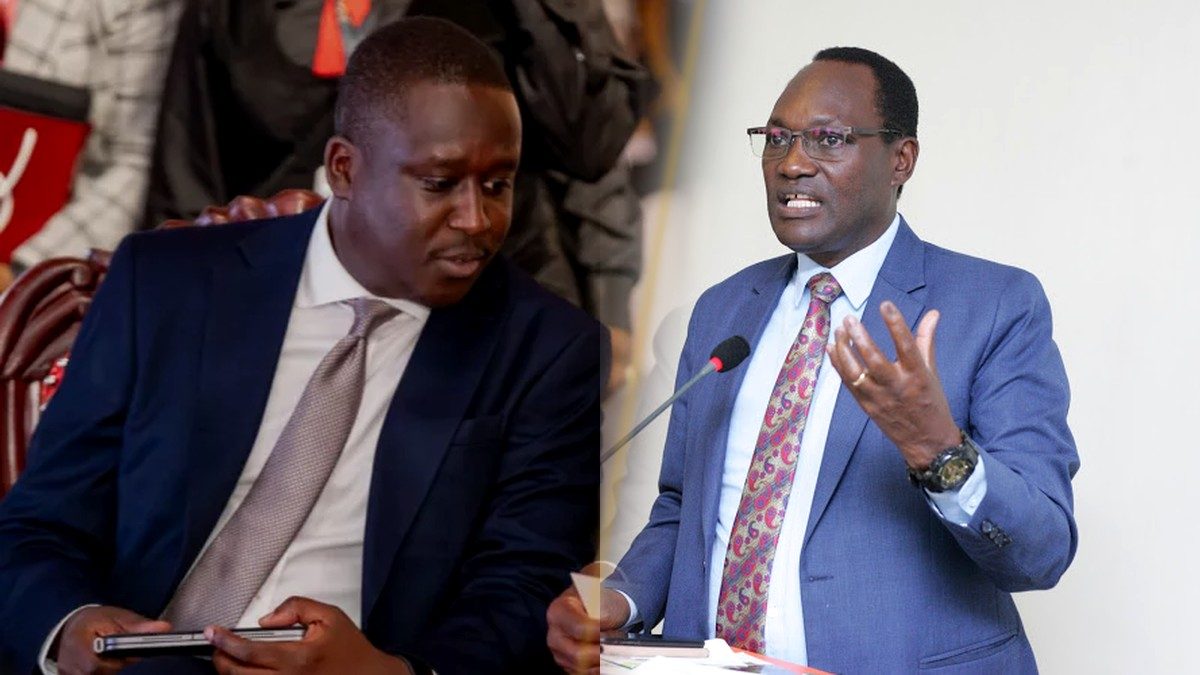
'Only two are remaining': Kenya eyes April 2027 exit from FATF grey list as Nairobi finance hub plans Sh65bn startup fund
Loresho rents up 14.9pc in a year as land prices fall in Muthangari and Gigiri: What the new HassConsult index means for tenants and buyers
150,000 applicants in 24 hours: Rush for 50,000 State-paid internships worth up to Sh25,000 a month lays bare graduates' job hunger
Global Community Remarks
0