
'Only two are remaining': Kenya eyes April 2027 exit from FATF grey list as Nairobi finance hub plans Sh65bn startup fund

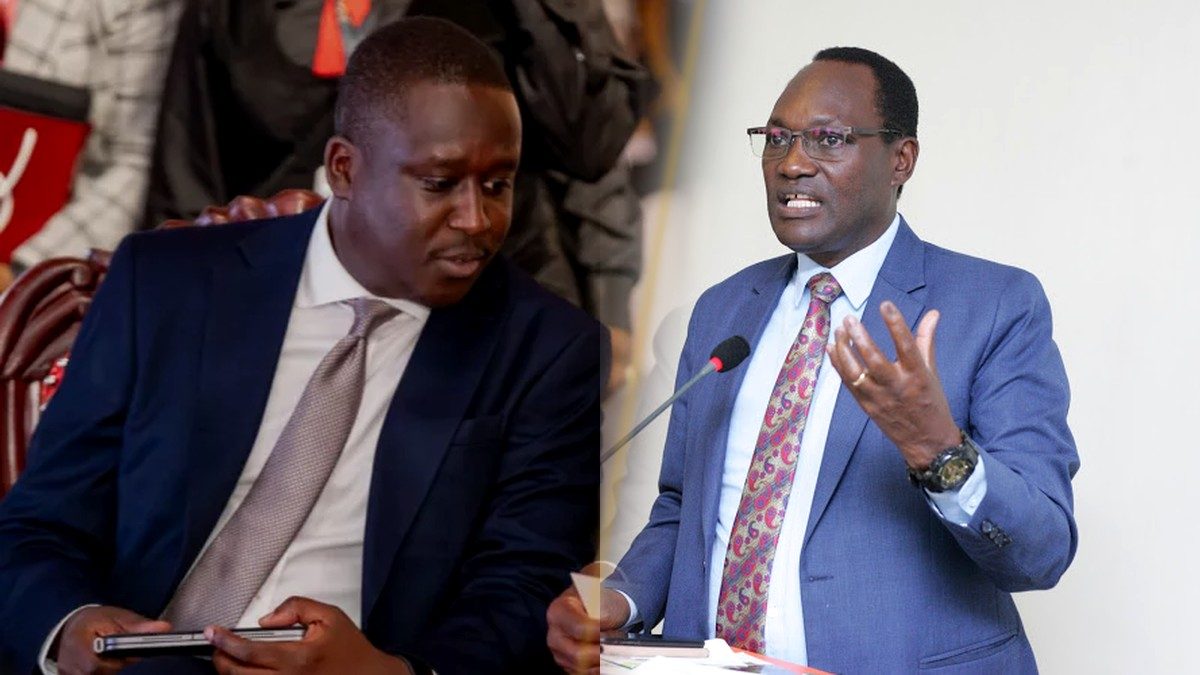
Kenya is two fixes away from shedding a label that has made every cross-border payment slower and costlier, the Treasury says.
Treasury Principal Secretary Chris Kiptoo told the NIFC Horizon 2026 forum in Nairobi on Wednesday that the country has addressed 19 of the 21 deficiencies flagged by the Financial Action Task Force (FATF), the global anti-money laundering watchdog, and expects to leave its "grey list" by April 2027.
"We have addressed 19. And only two are remaining," Kiptoo said, according to The Star. "We are targeting to come out of it by April next year."
Why the grey list matters
Being on the list does not ban transactions, Kiptoo noted, but it brings tougher checks on cross-border payments, which raise costs and slow down deals for banks, exporters and families receiving money from abroad. The government passed new anti-money laundering and counter-terrorism financing laws in 2025, and regulations are still being drafted.
A Sh65 billion war chest for startups
At the same forum, the Nairobi International Financial Centre (NIFC) set out plans for a Sh65 billion ($500 million) fund to back Kenyan startups, Business Daily reports. Half the money would go to technology and artificial intelligence firms and the rest to other growing businesses. International and local venture capitalists will finance it, with NIFC leading fundraising and selecting beneficiaries.
"Access to capital is a challenge for Kenyan startups, so how can we provide capital for these startups?" said NIFC chief executive Daniel Mainda.
The timing is pointed: Kenyan startups raised Sh16 billion in the six months to June, the lowest since 2021 and 45 per cent less than a year earlier. NIFC has not yet picked a fund manager.
Big targets
- NIFC wants to attract at least $5 billion (about Sh649 billion) in foreign direct investment by 2030 and certify at least 150 firms.
- Kenya drew about $3.2 billion in foreign direct investment in 2025.
- About 40 firms, including Bupa Global and Lloyd's, have been certified since 2022.
- Certified firms that inject Sh3 billion can pay 15 per cent corporate tax for 10 years instead of 30 per cent.
Kiptoo also cited foreign exchange reserves of about $15 billion, enough for more than six months of imports, and recent credit rating upgrades by Moody's and S&P as signs the economy is steadier. Mainda said the goal is to make Nairobi Africa's "Capital of Capital."
Nairobi will host an extraordinary general meeting of the World Alliance of International Financial Centers in April 2027, the same month Kenya hopes to be off the grey list.
Photos: Handout via The Star; Adolphuslwova via Wikimedia Commons (CC BY-SA 4.0). Thumbnail design: HAMASTA MEDIA.



Know what people say about you.
Media monitoring, audience insights and strategic communication for your brand.


More in Business
See all
Sh560 billion a year on imported food: Koskei leads dozens of PSs to Galana Kulalu with a plan to make Kilifi's dry plains feed Kenya
OPINION: 375th out of 403: Mombasa port does not need a new berth first, it needs a clean-up

OPINION: You are paying for power nobody used. Publish every power purchase agreement now

Loresho rents up 14.9pc in a year as land prices fall in Muthangari and Gigiri: What the new HassConsult index means for tenants and buyers

150,000 applicants in 24 hours: Rush for 50,000 State-paid internships worth up to Sh25,000 a month lays bare graduates' job hunger
'Unfair, commercially unsustainable': Transporters halt cargo loading in fight with KRA over who pays for new tracking seals
Global Community Remarks
0