
OPINION: You are paying for power nobody used. Publish every power purchase agreement now

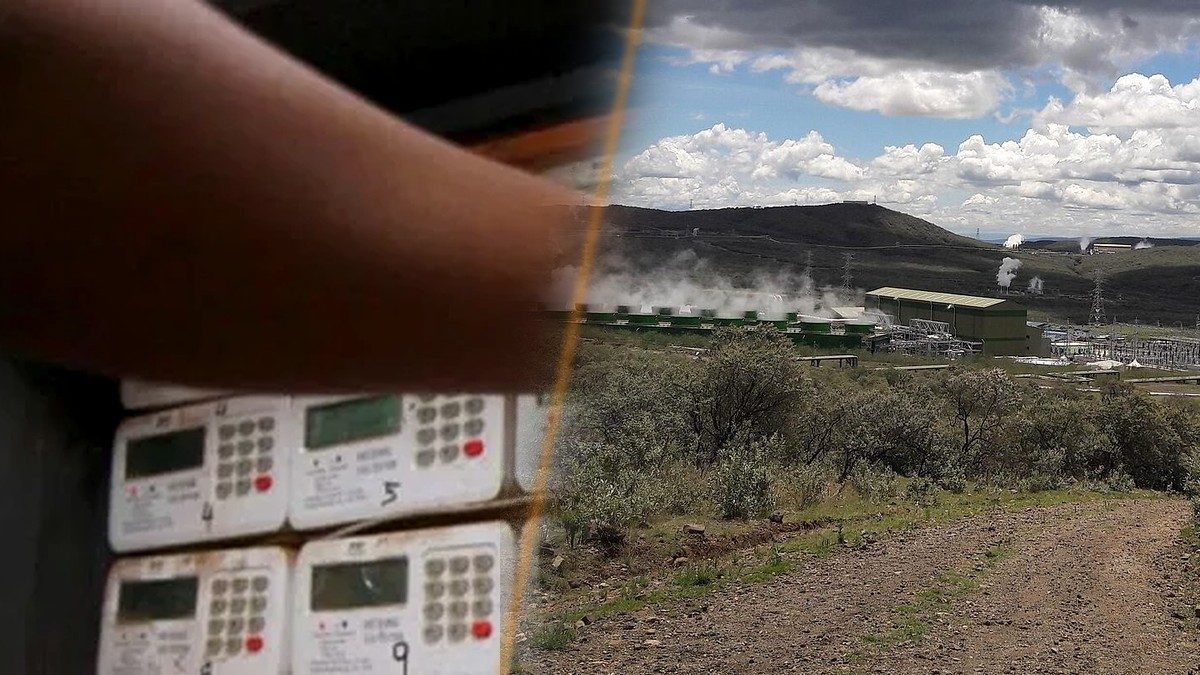
Every time a Kenyan buys tokens, part of that money can go towards capacity that was never used, under contracts the public has never been allowed to read.
That is the plain meaning of the World Bank's latest Kenya Economic Update, released on Wednesday. As Kenyans.co.ke and ChimpReports report, the Bank found that Kenyan businesses pay about Sh22.60 per kilowatt-hour, against Sh15.20 in Uganda, while households pay around Sh28.40. It blames what it calls "opaque and rent-generating" power purchase agreements, some of which carry take-or-pay clauses that oblige Kenya Power to pay producers for contracted capacity even when the power is not fully used.
Only one in four deals was competitively bid
The most damning figure is not the tariff. It is the procurement record. Citing a 2021 study, the Bank notes that only 24 per cent of 42 power purchase agreements signed by Kenya Power are known to have gone through competitive procurement. International evidence it cites shows competitively procured solar projects come in about 47 per cent cheaper than directly negotiated ones, according to ChimpReports.
The Bank also raises conflicts of interest: officials who approved some generation projects later worked for or held stakes in the companies concerned. It notes that many independent power producers list foreign corporations as shareholders, which makes it hard to know who ultimately owns them.
Put simply, Kenya has been buying one of life's basic needs without shopping around, from sellers whose owners it cannot always name.
A profitable utility and a struggling customer
This week Kenyans.co.ke also reported that Kenya Power posted a Sh36 billion profit for the 2025/2026 year. A healthy utility is good news. But a profitable monopoly sitting on top of expensive contracts while factories weigh moving across the border is not a success story; it is a sign that the costs are being passed straight down to the customer.
The Bank estimates that a 10 per cent cut in electricity costs could lift GDP by about 0.27 per cent and private investment by about 0.33 per cent, People Daily reports. Those are jobs Kenya is currently exporting to cheaper neighbours.
Three things Parliament should demand this month
- Publish every power purchase agreement in full, including capacity charges and take-or-pay terms. Commercial secrecy cannot override the public interest when the public pays.
- Implement the Renewable Energy Auction Policy, drafted in 2021 and, as the Bank points out, still not in force, so that every new megawatt is competitively bid.
- Order the forensic audit of independent power producers that a presidential task force on electricity prices already recommended, and act on what it finds.
None of this needs a new law or a donor loan. It needs political will. Kenyans have been told for years that high bills are the price of reliable, green power. The World Bank has now shown that a large part of the bill is the price of bad deals. Those deals should be opened, renegotiated where possible, and never repeated.
Photos: KPLC via Kenyans.co.ke; Macabe5387 (CC BY-SA 4.0) via Wikimedia Commons. Thumbnail design: HAMASTA MEDIA.
Every moment, captured beautifully.
Events, corporate portraits, products and editorial shoots by our newsroom photographers.





More in Business
See all
Sh560 billion a year on imported food: Koskei leads dozens of PSs to Galana Kulalu with a plan to make Kilifi's dry plains feed Kenya
OPINION: 375th out of 403: Mombasa port does not need a new berth first, it needs a clean-up
'Only two are remaining': Kenya eyes April 2027 exit from FATF grey list as Nairobi finance hub plans Sh65bn startup fund

Loresho rents up 14.9pc in a year as land prices fall in Muthangari and Gigiri: What the new HassConsult index means for tenants and buyers
150,000 applicants in 24 hours: Rush for 50,000 State-paid internships worth up to Sh25,000 a month lays bare graduates' job hunger
'Unfair, commercially unsustainable': Transporters halt cargo loading in fight with KRA over who pays for new tracking seals
Global Community Remarks
0