
Sh560 billion a year on imported food: Koskei leads dozens of PSs to Galana Kulalu with a plan to make Kilifi's dry plains feed Kenya

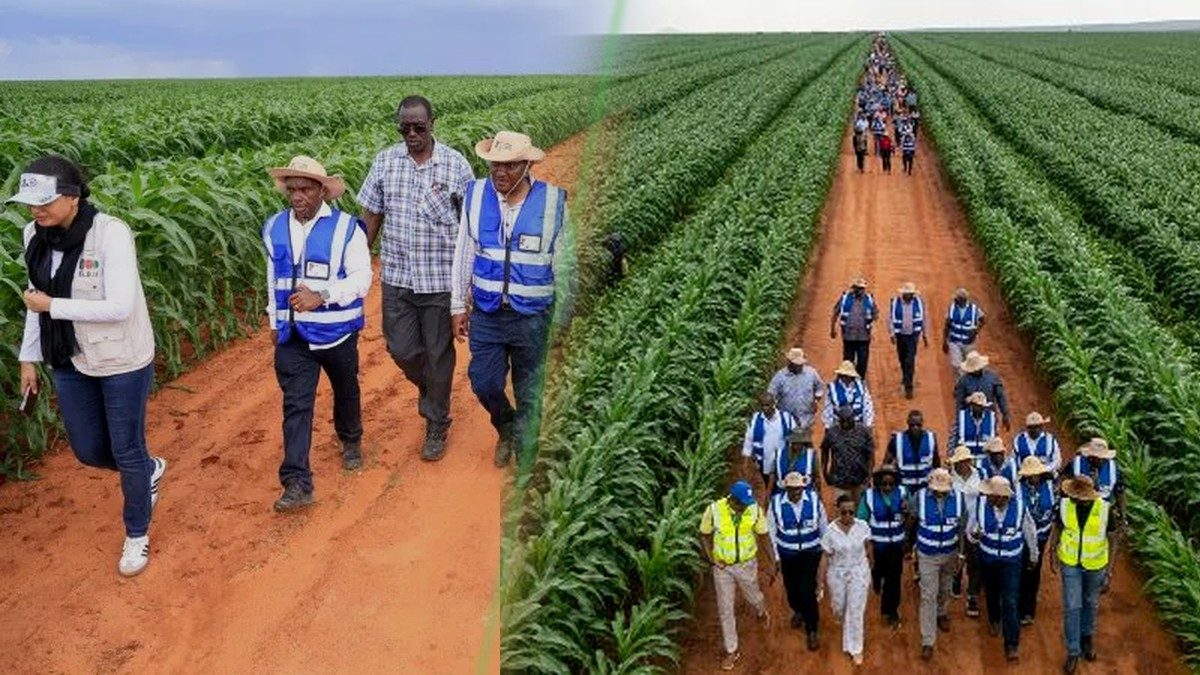
Kenya spends close to Sh560 billion every year importing food, edible oils and seeds, Head of Public Service Felix Koskei said as he walked through rows of maize on the Galana Kulalu farm in Kilifi County. That money, he argued, could be building other projects instead.
Koskei led a large delegation of Principal Secretaries on Tuesday to the Galana Kulalu Food Security Project and the Bura Irrigation Scheme in neighbouring Tana River County, in a tour meant to showcase the government's push to shift the country away from rain-fed farming. TV47 put the number of PSs at 38, while The Star reported more than 40.
Water is the missing piece
The government's goal is to put one million acres under irrigation at Galana Kulalu, long seen as a white elephant after earlier phases stalled. Koskei admitted the biggest hurdle is water. "This river (River Galana) does not have adequate water," he said.
The answer, officials said, is a new dam holding about 300 million cubic metres, with construction due to begin early next year. Irrigation PS Ephantus Kimotho said the dam would expand irrigated land at the scheme from under 50,000 acres to about 200,000 acres, noting that about 70 per cent of Kenya's land is arid or semi-arid.
Other works are already on the ground:
- A Sh1.5 billion bridge over the Galana has cut travel to parts of the farm from a roughly 40km detour to a few minutes
- Power connection to the farm is about 50 per cent complete
- More dams upstream are planned to feed the canals
Investors on the ground
Under a public-private partnership, several firms have set up on the land despite its undeveloped state. Pwani Farm Ranch is growing soya beans and commercial maize on about 2,000 acres each using solar-powered irrigation, and has brought in a maize milling plant. Seed maize is being grown on a further 2,000 acres by another investor.
"We are not reliant on diesel or electricity from any other outside source," said Pwani Farm Ranch managing director Atin Aggarwal, describing a "farm to shelf" model.
From milk shortages to cheaper cooking oil
Livestock PS Jonathan Mueke said Kenya spends about Sh150 billion a year on imported edible oils, and that more soya and yellow maize would ease competition for feed between people and animals. "If we did that properly, then during the drought you will not find a shortage of milk like we have today," he said.
Agriculture PS Paul Ronoh said irrigation would help the country move from being a net importer to an exporter of several foods.
For Kilifi and Tana River, the stakes are local as well as national: more irrigated land means farm jobs, roads and power lines through some of the Coast's poorest areas. Whether the dam breaks ground on time will be the first test of the promises made this week.
Photos: The Star / Brian Otieno (Koskei and PSs at Galana Kulalu, Kilifi); TV47 (Galana Kulalu maize fields tour). Thumbnail design: HAMASTA MEDIA.



Know what people say about you.
Media monitoring, audience insights and strategic communication for your brand.


More in Business
See all
OPINION: 375th out of 403: Mombasa port does not need a new berth first, it needs a clean-up
OPINION: You are paying for power nobody used. Publish every power purchase agreement now

'Only two are remaining': Kenya eyes April 2027 exit from FATF grey list as Nairobi finance hub plans Sh65bn startup fund

Loresho rents up 14.9pc in a year as land prices fall in Muthangari and Gigiri: What the new HassConsult index means for tenants and buyers

150,000 applicants in 24 hours: Rush for 50,000 State-paid internships worth up to Sh25,000 a month lays bare graduates' job hunger
'Unfair, commercially unsustainable': Transporters halt cargo loading in fight with KRA over who pays for new tracking seals
Global Community Remarks
0