
'Unfair, commercially unsustainable': Transporters halt cargo loading in fight with KRA over who pays for new tracking seals

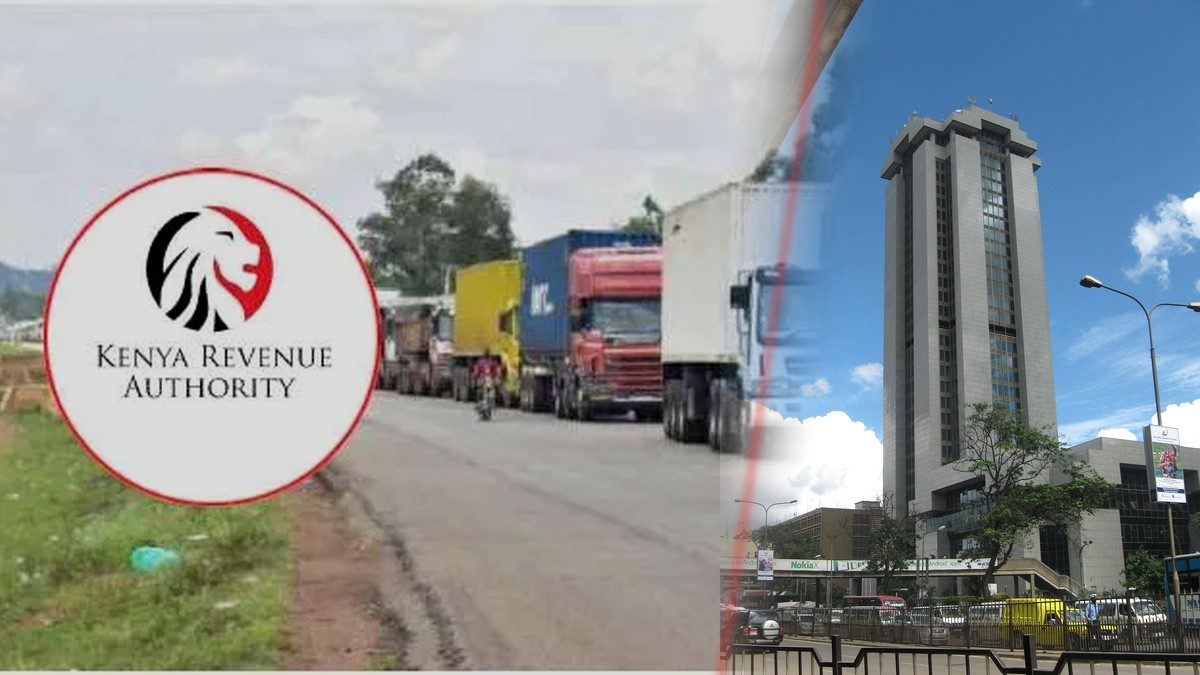
Trucks hauling transit goods from Mombasa to Uganda and beyond could stand idle after Kenya's main truckers' lobby told its members to stop loading any cargo that requires KRA's new electronic tracking seals.
The Kenya Transporters Association (KTA) on Wednesday directed transporters to immediately suspend loading of cargo that must be monitored with the new user-owned, multi-vendor seals under the Regional Electronic Cargo Tracking System (RECTS). Members were also told not to buy, lease or sign contracts with seal providers until the Kenya Revenue Authority (KRA) approves a way to recover the costs.
What changed on October 26
KRA rolled out the new framework on October 26, ending a single-vendor arrangement in place since 2017. Under the new rules, cargo under customs control can only be monitored with devices from approved private vendors, chosen and paid for by users. KRA's own seals for dry cargo and motor vehicles stopped working on that date, and government-owned seals for fuel and other wet cargo are being phased out, according to The Eastleigh Voice.
KRA says the change will fix shortages of seals at tagging points and replace ageing devices, while cutting queues, reducing false tracking alerts and speeding up clearance without weakening customs oversight.
Why truckers are angry
KTA chairman Newton Wang'oo said shifting the cost to transporters was "unfair, commercially unsustainable and raises serious legal concerns."
"Despite repeated engagements, KRA has yet to establish an acceptable framework for recovering these costs," the association said in its statement.
The lobby wants KRA to allow transporters to offset the cost of the seals against taxes they owe. It also warns that:
- Added costs could make the Northern Corridor, which links Mombasa to Uganda, Rwanda, South Sudan and eastern DR Congo, less competitive against rival routes.
- Kenya's standing as a regional transit hub could suffer.
- Members may go to court; KTA says it is seeking urgent legal advice.
What it means for you
If the standoff drags on, delays at the port and inland depots could raise the cost of moving goods, costs that usually end up on shop shelves. The dispute comes as businesses are already reporting the fastest rise in fuel and freight costs since 2023.
Neither outlet carried a response from KRA to the suspension by the time of publication. The amount transporters would pay per seal has not been made public.
Photos: KRA/LoDDCA via Kenyans.co.ke; Ruslik0 via Wikimedia Commons (CC BY-SA 4.0). Thumbnail design: HAMASTA MEDIA.



Know what people say about you.
Media monitoring, audience insights and strategic communication for your brand.


More in Business
See all
Sh560 billion a year on imported food: Koskei leads dozens of PSs to Galana Kulalu with a plan to make Kilifi's dry plains feed Kenya
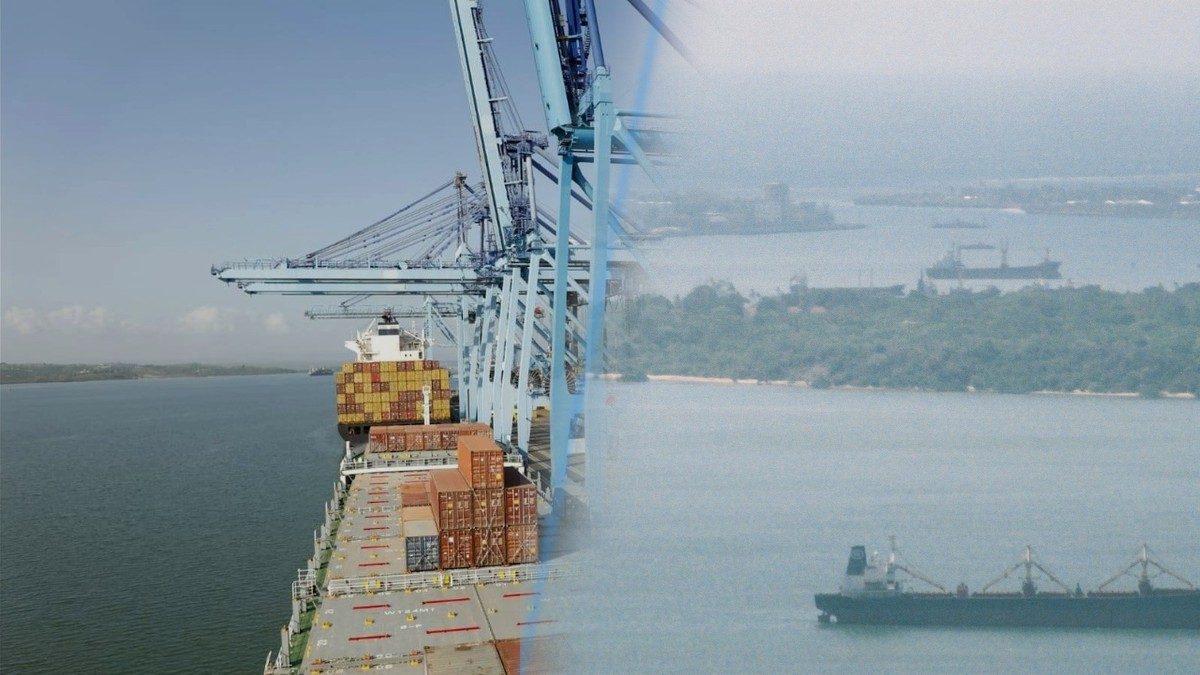
OPINION: 375th out of 403: Mombasa port does not need a new berth first, it needs a clean-up
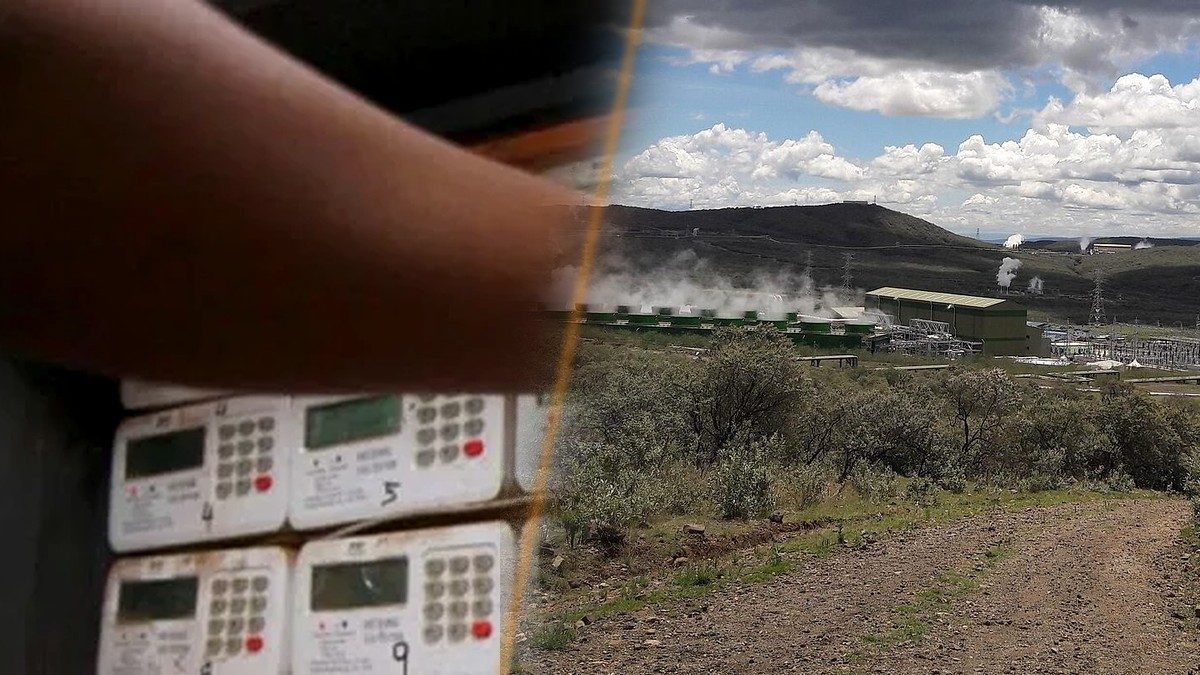
OPINION: You are paying for power nobody used. Publish every power purchase agreement now

'Only two are remaining': Kenya eyes April 2027 exit from FATF grey list as Nairobi finance hub plans Sh65bn startup fund

Loresho rents up 14.9pc in a year as land prices fall in Muthangari and Gigiri: What the new HassConsult index means for tenants and buyers

150,000 applicants in 24 hours: Rush for 50,000 State-paid internships worth up to Sh25,000 a month lays bare graduates' job hunger
Global Community Remarks
0