
'Iran militarily is effectively over': Trump says no plans to resume bombing after Qatar talks, but the blockade stays

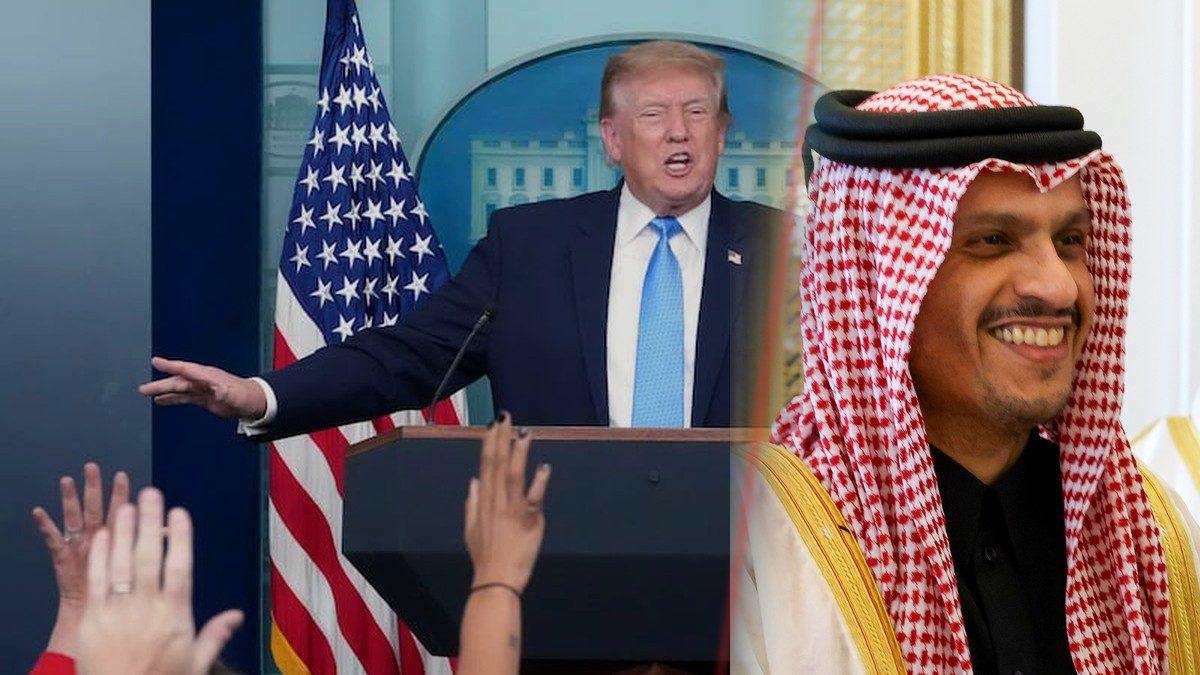
Eight months after the first American and Israeli bombs fell on Iran, US President Donald Trump walked unannounced into the White House briefing room on Monday and declared that, as far as he is concerned, the shooting war is done.
"Iran militarily is effectively over," Trump told reporters, adding that he was not preparing to resume bombing and that renewed attacks were "highly unlikely" so long as talks keep moving. He spoke of "positive momentum" and a "good chance" the conflict could end, saying Iranian officials were "talking to us."
The remarks came straight after a closed-door meeting with Qatar's Prime Minister and Foreign Minister, Sheikh Mohammed bin Abdulrahman bin Jassim Al Thani, which Vice-President JD Vance also attended. The Qatari leader later wrote on X that the two sides had held "positive discussions" on the region and on ways to move US-Iran talks forward.
Talks, but no drawdown
Trump was careful not to sound like a man standing down. He described the goal as keeping the "status quo" and said the US remained "locked and loaded" if circumstances changed. Thousands of American troops remain in waters off Iran enforcing a naval blockade that limits Iranian oil reaching world markets, and he gave no hint that it would be lifted. "We have the greatest military blockade ever," he said.
According to the Associated Press, Trump also said Washington has identified infrastructure targets, including 38 bridges, that it would hit if fighting resumed. US forces carried out limited strikes on Iran, including on its air defences, at least twice in the past week, and on Saturday disabled a commercial ship that the US said was trying to breach the blockade.
Two Middle East officials told AP that Qatar presented proposals on Iran's nuclear programme last week. Iran, for its part, has demanded an end to the blockade, the lifting of sanctions, the release of frozen assets, compensation for war damage and an end to regional hostilities before any nuclear talks. Foreign Minister Abbas Araghchi denied that any meeting was being planned, and Iranian officials have repeatedly cast doubt on Trump's earlier claims of progress.
Midterm wounds at home
The softer tone follows last week's midterm elections, in which Republicans lost control of both the House and the Senate. Vance and other Republicans have blamed the war in part for the defeat.
Pressure is also building in Congress. Republican Representative Thomas Massie moved on Monday to force a House vote on impeaching Defence Secretary Pete Hegseth, largely over the war. Trump backed Hegseth, who called the effort a "sham" and said he was "not worried." Democrats have said they will consider impeachment once the new Congress sits in January. Critics argue the administration went to war without proper authorisation from lawmakers.
Why it matters for Kenya
The conflict has driven up fuel prices across the global economy, and Gulf states including Saudi Arabia, Qatar and the UAE have been hit by Iranian strikes. For Kenya, which imports all of its petroleum products and has many citizens working in the Gulf, any lasting calm in the region would be welcome news. But with the blockade still in force and Tehran publicly unconvinced, Monday's words fall well short of a peace deal.
Photos: AP/Alex Brandon (via Anchorage Daily News); UK Government via Wikimedia Commons (CC BY 2.0). Thumbnail design: HAMASTA MEDIA.


Grow an audience that listens.
Social media management, digital campaigns and online storytelling that converts.



More in International
See all
Canada and China agree new tariff cuts as both look to reduce reliance on US

Chivayo helicopter crash: Report says aircraft flew into fog, no mechanical fault found
Mongolia's President Khurelsukh to resign over railway corruption claims
Botswana's Boko and Ivory Coast's Ouattara sign mining, energy and trade deals
Ukraine says Russia is targeting rescuers after 'double-tap' strike killed 72
Muhoozi back on X, warns media of 10-year jail terms over criticism of Museveni
Global Community Remarks
0