
'Catastrophic': From 66pc to 30.8pc, Mandela's ANC suffers its worst-ever local election as the DA overtakes it in Johannesburg and Pretoria

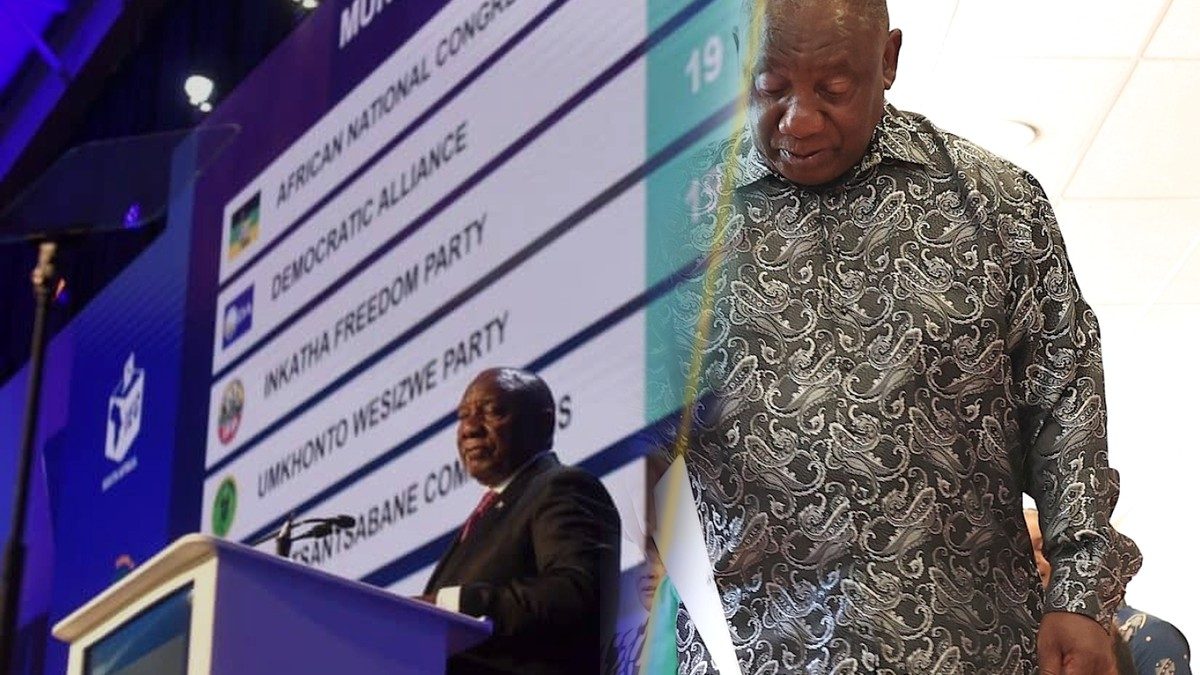
Twenty years ago, two in every three South Africans who voted in local elections backed the ANC. This week, the party that Nelson Mandela led to power learnt that fewer than one in three did, and its own Secretary-General, Fikile Mbalula, called the result "catastrophic."
Final figures announced on Sunday by the Electoral Commission of South Africa (IEC) at the Gallagher Convention Centre in Midrand gave the ANC 30.76 per cent of the vote, down from 45.59 per cent in 2021 and 66 per cent in 2006. It is the party's worst local election result since the end of apartheid.
The new map
The Democratic Alliance (DA) came second with 24.64 per cent and 1,695 council seats and, according to Al Jazeera, overtook the ANC as the largest party in Johannesburg, Pretoria and Ekurhuleni, while holding Cape Town. Jacob Zuma's MK Party took 9.76 per cent and emerged as the largest party in eThekwini (Durban). The EFF got 6.22 per cent and ActionSA 5.67 per cent.
- ANC: 30.76 per cent, 3,246 seats, outright control of 53 municipalities
- DA: 24.64 per cent, 1,695 seats, outright control of 12
- MK Party: 9.76 per cent, 785 seats, outright control of 3
- Turnout: about 14.9 million of 29.2 million registered voters, or 52 per cent
Only 74 of the 213 councils produced an outright majority. The rest must now form coalitions, and parties have 14 days to strike deals before councils sit. A re-vote is due in Douglas, Northern Cape, after political activists destroyed ballot papers before counting.
'A referendum on the ANC'
Analysts were blunt. Commentator Ralph Mathekga said the vote sent a "strong message" that "the collapse of service delivery and the ensuing corruption has reached a point where it cannot be tolerated," calling the poll "a referendum on the ANC's capacity to govern." Political analyst Sipho Seepe said coalitions should now be accepted as "the new normal."
The DA said its modelling showed it had won more than one million Black voters for the first time, and promised talks with parties that share "a commitment to clean and accountable government."
Ramaphosa's warning
President Cyril Ramaphosa, who is expected to step aside as ANC leader before the party's 2027 leadership contest, urged parties not to turn coalition talks into power struggles. "Public office is a privilege that carries a responsibility of service," he said, arguing that hung councils are not a failure of democracy and that voters did not choose five years of infighting.
The result deepens the ANC's slide since 2024, when it lost its national parliamentary majority for the first time and was forced into a coalition government. For Kenyans watching another former liberation movement lose its grip on voters, the message from South Africa was clear: history alone no longer wins elections. The next general election there is due in 2029.
Photos: Nigel Sibanda/The Citizen; Siyabulela Duda/EPA (via Al Jazeera). Thumbnail design: HAMASTA MEDIA.




Show the impact of your work.
Impact stories, campaign videos and community engagement for NGOs and programmes.

More in International
See all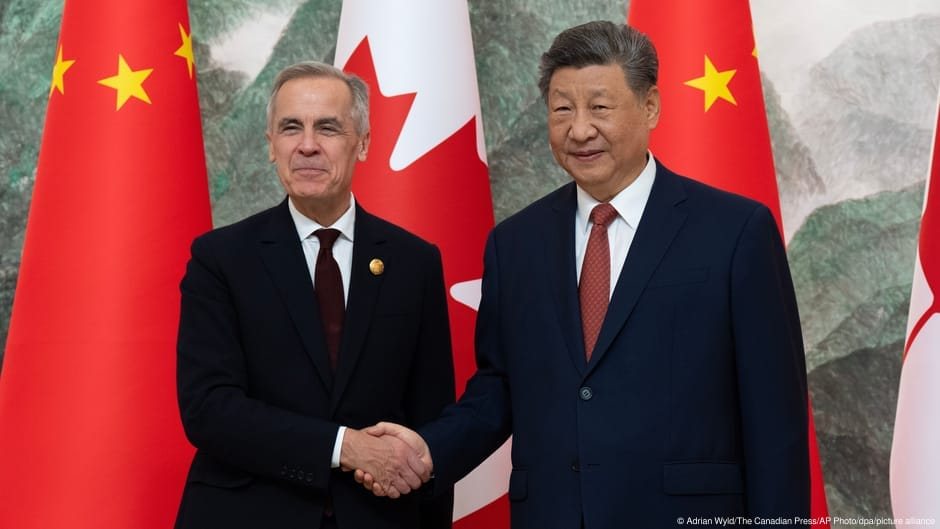
Canada and China agree new tariff cuts as both look to reduce reliance on US
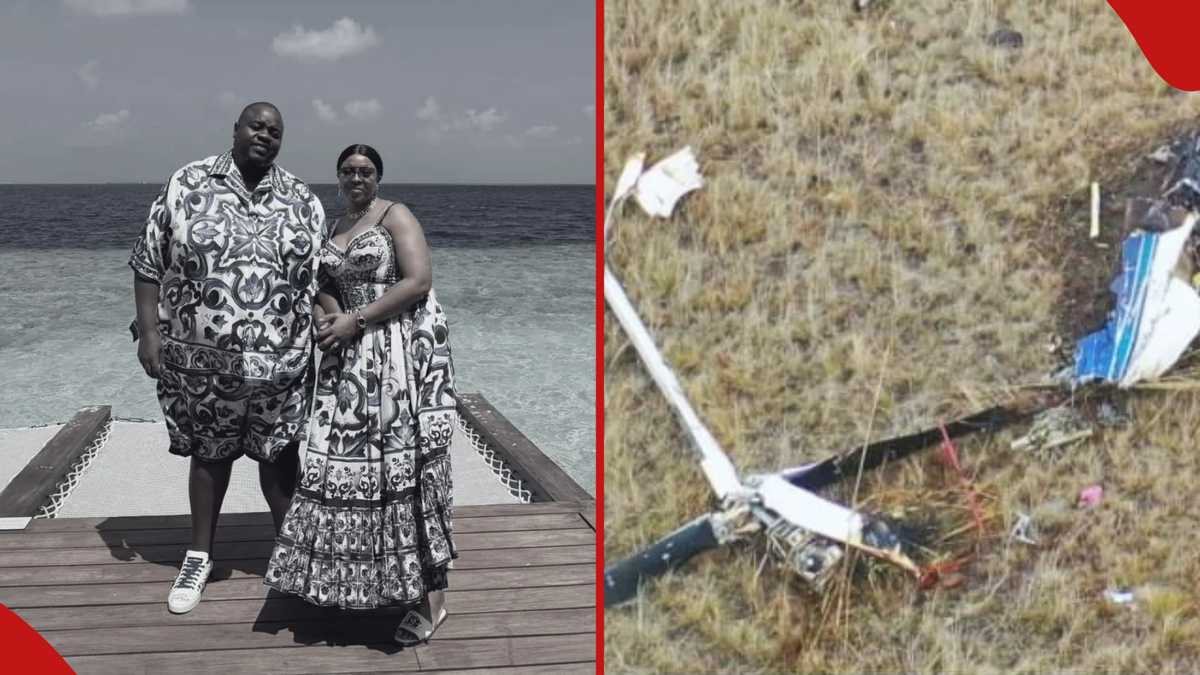
Chivayo helicopter crash: Report says aircraft flew into fog, no mechanical fault found
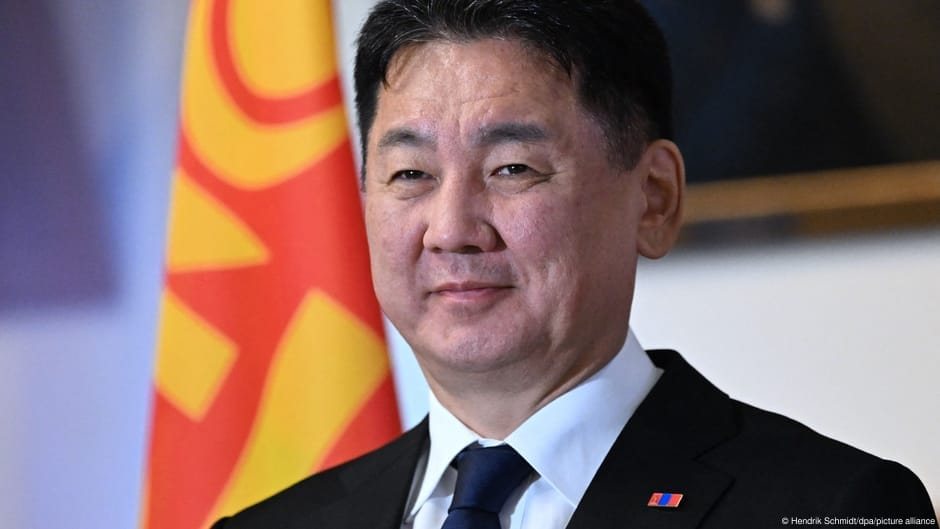
Mongolia's President Khurelsukh to resign over railway corruption claims
Botswana's Boko and Ivory Coast's Ouattara sign mining, energy and trade deals
Ukraine says Russia is targeting rescuers after 'double-tap' strike killed 72
Muhoozi back on X, warns media of 10-year jail terms over criticism of Museveni
Global Community Remarks
0