
Thirty-two years after fleeing, via Kenya, Canada and a US prison: America deports Rwanda genocide suspect Jean Leonard Teganya to Kigali

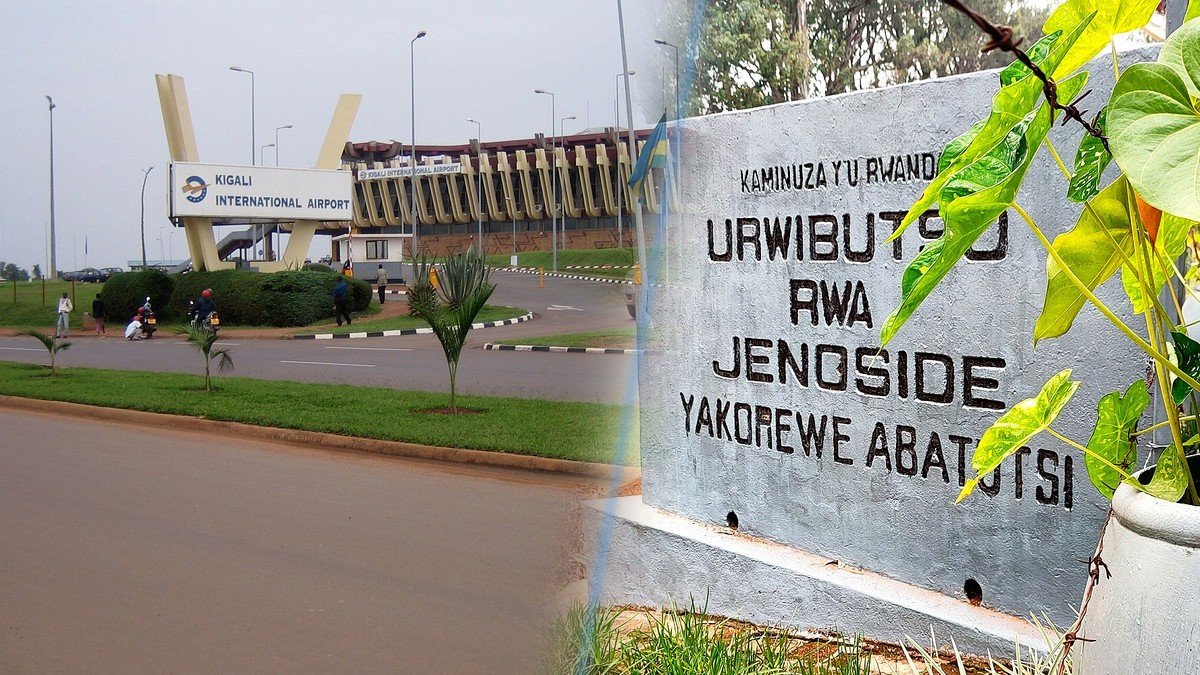
When he left Rwanda in July 1994, Jean Leonard Teganya was a medical student in his early twenties. On Monday evening, now 55, he arrived at Kigali International Airport escorted by US security officers and was handed straight to Rwandan prosecutors to answer genocide charges.
Rwanda's National Public Prosecution Authority (NPPA) said it indicted Teganya in 2014 for alleged genocide and crimes against humanity in the former Butare prefecture, now Huye District in southern Rwanda. The NPPA did not detail the allegations or give a court date. It said he is the eighth genocide fugitive deported to Rwanda since 2007, with more indictments pending.
A long road through three legal systems
Teganya studied medicine at the National University of Rwanda in Butare and trained at the University Teaching Hospital there. After fleeing in 1994, he travelled through Zaire (now DR Congo), Kenya and India before reaching Canada in 1999, according to Al Jazeera.
Canada rejected his asylum claim in 2002 and again in 2012. After about 15 years of proceedings, he evaded a deportation order and walked across the border into the US near Houlton, Maine, on 3 August 2014, where he was detained and applied for asylum.
He was never tried for genocide in America. Instead, a federal jury in 2019 convicted him of two counts of immigration fraud and three of perjury for hiding his political links and activities during the genocide in his asylum application. He was jailed for 97 months, and an appeals court upheld the conviction in 2021.
What US prosecutors alleged
During the US trial, prosecutors said Teganya was linked to the then ruling MRND party and its Interahamwe militia. US Immigration and Customs Enforcement (ICE) said he "led teams of soldiers" to find Tutsi patients and refugees hiding in the Butare hospital, who were then "taken and killed behind the maternity ward." Evidence presented also linked him to killings of Tutsi students and to sexual violence against women who had sought shelter at the hospital.
These were allegations made in an immigration case, and the charges he will face in Rwanda have not been made public. His return is not a conviction, and he will have the chance to defend himself in court.
Why it resonates in the region
The 1994 genocide killed hundreds of thousands of people, most of them Tutsi, in about 100 days. More than three decades on, Rwanda continues to pursue suspects scattered across Africa, Europe and North America, some of whom, like Teganya, passed through Kenya as they fled.
For survivors in Butare, where the university and its hospital became scenes of killing, Teganya's arrival in Kigali raises the prospect of a trial on home soil, decades after the events.
Photos: SteveRwanda via Wikimedia Commons (CC BY-SA 3.0, Kigali International Airport); J. Nicolas K. Y. via Wikimedia Commons (CC BY 4.0, University of Rwanda Butare genocide memorial). Thumbnail design: HAMASTA MEDIA.


Take your event live to thousands.
Multi-camera live streams, panel discussions and digital broadcasts with professional crews.




More in International
See all
Canada and China agree new tariff cuts as both look to reduce reliance on US
Chivayo helicopter crash: Report says aircraft flew into fog, no mechanical fault found
Mongolia's President Khurelsukh to resign over railway corruption claims
Botswana's Boko and Ivory Coast's Ouattara sign mining, energy and trade deals
Ukraine says Russia is targeting rescuers after 'double-tap' strike killed 72
Muhoozi back on X, warns media of 10-year jail terms over criticism of Museveni
Global Community Remarks
0