
Planning to import a car? KRA boss says a new price list is coming that will tie your duty to where the car comes from and how old it is

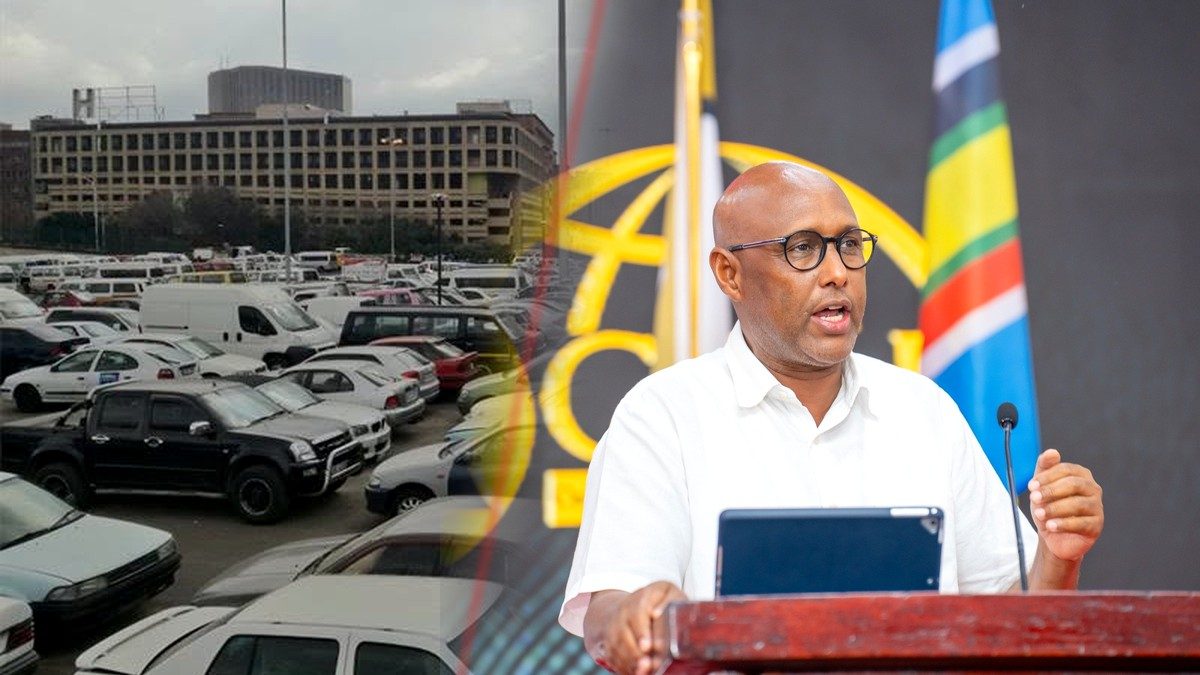
The price you pay to bring a second-hand car into Kenya could soon be worked out differently, after the taxman revealed he is rewriting the list that decides how much every imported vehicle is worth.
Kenya Revenue Authority (KRA) Commissioner General Adan Mohamed said the authority is in talks with the motor industry on a second version of the Current Retail Selling Price (CRSP) schedule, the reference list at the heart of car import taxes.
"On the issue of CRSP, we are in discussions with the motor vehicle industry to introduce CRSP Version II so that we can ensure that if you import a car from a particular country, depending on its age, that is the duty you are able to pay," he said on Friday, November 13, at the 43rd annual seminar of the Institute of Certified Public Accountants of Kenya (ICPAK) in Mombasa.
Why this list matters to buyers
Many first-time importers assume they are taxed on what they paid the seller abroad. Often they are not. KRA starts from the CRSP, the reference retail price of that model when new, then applies depreciation according to the car's age. The figure that results is the customs value.
Import duty, excise duty and VAT are then charged on that value, along with the Import Declaration Fee and the Railway Development Levy. This is why two people who each pay Sh2 million for a used car abroad can end up with very different tax bills.
What could change, and what is still unknown
Mr Mohamed's remarks point to a schedule that takes the country of origin into account alongside age. Beyond that, the details are thin. KRA has not published a draft list, explained the method or given a start date.
- If a model is given a higher reference value, the tax on it rises.
- If the value is lowered, the buyer pays less.
- A new version does not automatically mean every imported car becomes more expensive.
Until a new schedule is formally introduced, the current list remains the basis for valuing imports.
A second overhaul in under two years
The current schedule took effect on July 1, 2025, replacing a list that had been in use since 2019. KRA said then that the update was needed to reflect changes in the market, exchange rates and inflation, and it expanded the list from about 3,000 models to more than 5,200. Importers', dealers' and freight forwarders' associations were consulted in that review, and they favoured keeping the CRSP method over a switch to invoice values.
The CRSP talks come days after KRA changed how dealers handle stock. Licensed dealers may now move imported used cars from customs yards to their own premises once all customs duties and levies are paid, with National Transport and Safety Authority registration fees deferred until a buyer is found. KRA said that change followed a directive from President William Ruto.
The bigger revenue picture
At the same seminar, the Commissioner General argued that a growing economy does not by itself fill the State's coffers. "Tax revenue leakages stem from legislative gaps, deliberate tax evasion and administrative inefficiencies," he said, adding that people comply more readily when they trust how taxes are collected and spent.
For now, importers and bazaar owners will be watching for the draft schedule, the document that will show whether popular models become cheaper or dearer to land.
Photos: People Daily (Adan Mohamed at the ICPAK seminar; file image of parked vehicles). Thumbnail design: HAMASTA MEDIA.
Every moment, captured beautifully.
Events, corporate portraits, products and editorial shoots by our newsroom photographers.





More in Business
See all
SGR Passenger Numbers Fall 28 Per Cent in September as Revenue Drops by Ksh113m
PBO Proposes Three-Year Plan for Counties to Clear Ksh172.5bn Owed to Suppliers
KRA asks farmers selling to factories to use eTIMS reverse invoicing
Motorists Stranded for Hours as Gridlock Paralyses Nairobi-Mombasa Highway at Tsavo
Kenya Signs Ksh90bn Deal with Greek Firm for Floating LNG Power Plant in Mombasa

Mbadi Rules Out Cancelling CRBC Contracts After World Bank Flags SGR Costs
Global Community Remarks
0