
'This cannot become the new normal': UN counts 25 seafarers killed around Hormuz as Iran says tankers are hitting mines

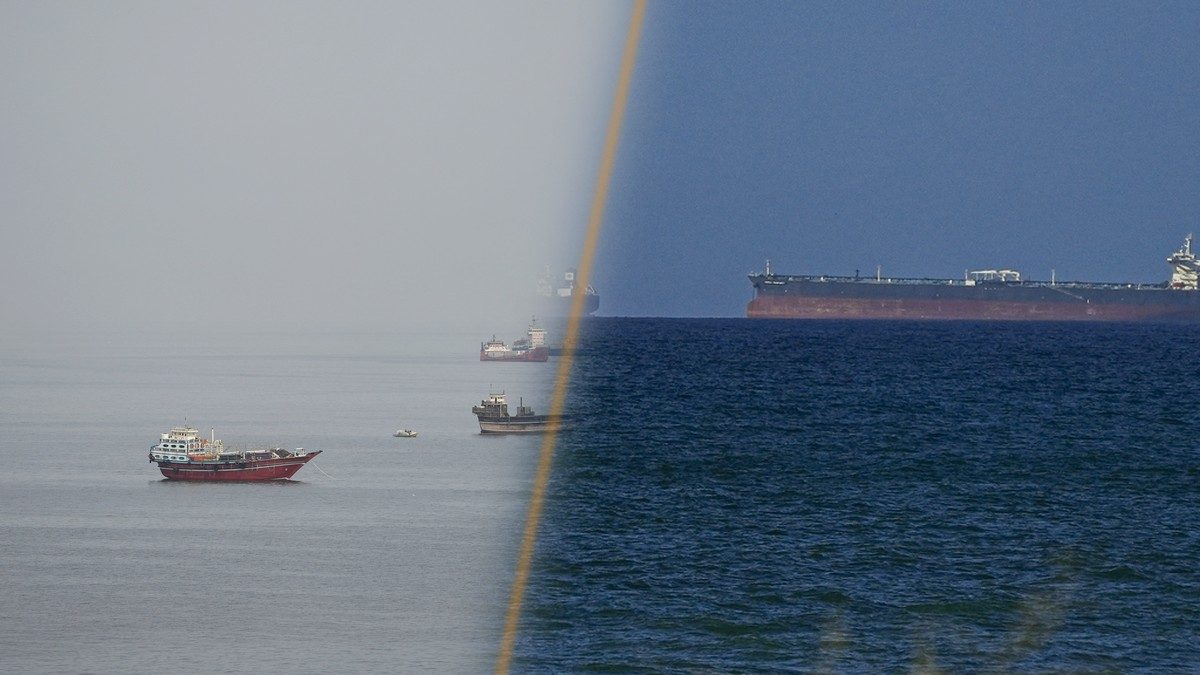
They signed on to move oil, gas and grain, not to fight a war. Yet at least 25 merchant sailors have been killed in and around the Strait of Hormuz since February, the United Nations has told the Security Council, as the narrow waterway that carries a large share of the world's oil remains a danger zone nine months into the conflict between Iran, the United States and Israel.
Khaled Khiari, the UN assistant secretary-general for the Middle East, Asia and the Pacific, gave the toll during a briefing on Friday requested by Bahrain. The figures, compiled by the International Maritime Organization (IMO), run up to November 11. Many more seafarers have been injured or are missing, he said.
"This situation cannot be allowed to become the new normal," Khiari told the council, calling for the "full restoration of maritime navigation in the region".
October was the worst month yet
Rather than easing, the threat to shipping is growing. The IMO has logged more than 130 confirmed security incidents involving vessels in Hormuz and the wider Middle East since March, and October recorded the highest monthly tally since the fighting began.
"Every day brings new reports of maritime incidents," Khiari said. "Civilian vessels and commercial shipping must not become targets."
- 25 seafarers confirmed killed up to November 11, according to the UN
- More than 130 incidents recorded by the IMO, 35 of them in October alone, as reported by Al Jazeera
- Traffic through the strait is about 65 per cent below pre-war levels, according to the United Kingdom Maritime Trade Operations (UKMTO)
- Numerous ships and their crews have been stranded inside the Gulf for months, Khiari said
Tankers on fire, and two versions of who controls the strait
The warning came as Iranian authorities reported fresh damage to ships. Iranian officials said on Saturday that oil tankers had caught fire after striking mines while sailing through what Tehran calls "unauthorised" or "restricted" zones. Al Jazeera reported three vessels, while other reports citing the Revolutionary Guards put the number at two.
Iran insists vessels need its approval to cross during the conflict. "Any offending tanker that travels in the restricted area east of the Strait of Hormuz will be set on fire by hitting naval mines," its navy said in a statement carried by state broadcaster IRIB. Tehran says the strait will not fully reopen until Washington ends its naval blockade of Iranian ports, lifts sanctions, releases frozen funds and formally declares the war over.
The US military gives a different picture, saying it has cleared the main shipping lanes of mines and that the route is open to commercial traffic.
Why a distant strait reaches your pocket
Khiari was blunt about the cost to ordinary people far from the Gulf. Current shipping arrangements, he said, "remain costly, unpredictable, and unsafe", pushing up energy, transport and insurance costs, fuelling inflation and threatening food security because fertiliser shipments are badly constrained.
That matters for import-dependent economies such as Kenya, which buys its refined fuel from Gulf suppliers and relies on imported fertiliser. When tankers are delayed, rerouted or charged steep war-risk insurance, those costs travel down the supply chain.
Khiari noted that there have been no major military exchanges between the US and Iran since early September and welcomed renewed diplomacy in Doha, urging both sides to "negotiate in good faith". The longer the restrictions last, he warned, the harder it will be to restore confidence and trade.
Photos: Reuters via Al Jazeera; Shadi J. H. Alassar/Anadolu Agency via Middle East Monitor. Thumbnail design: HAMASTA MEDIA.


Take your event live to thousands.
Multi-camera live streams, panel discussions and digital broadcasts with professional crews.




More in International
See all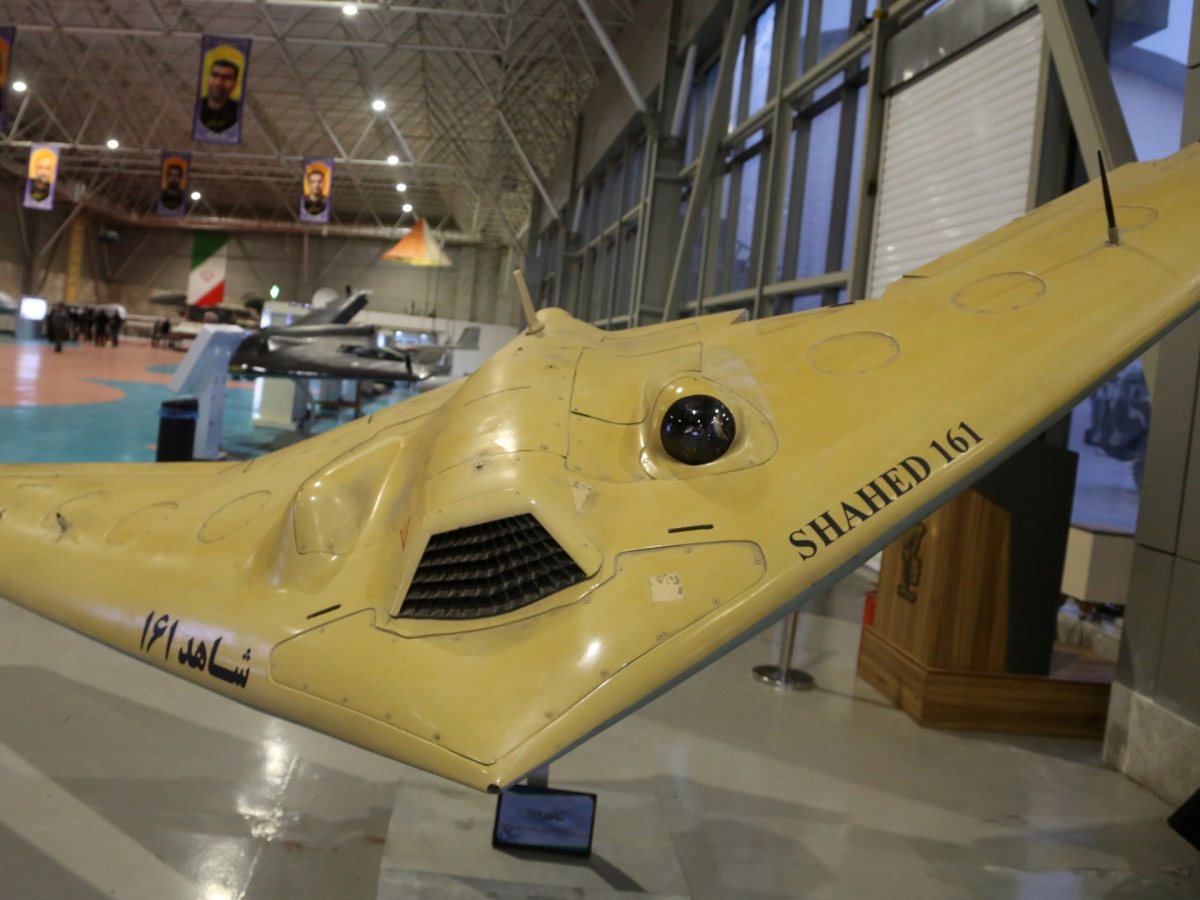
Bahrain intercepts drones as Iran's IRGC claims strike on US radar at Isa airbase
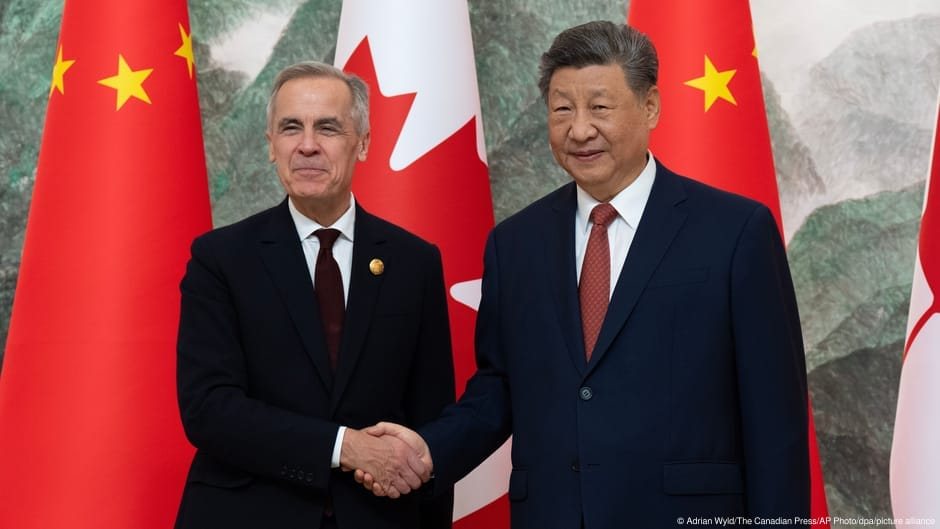
Canada and China agree new tariff cuts as both look to reduce reliance on US

Chivayo helicopter crash: Report says aircraft flew into fog, no mechanical fault found

Mongolia's President Khurelsukh to resign over railway corruption claims
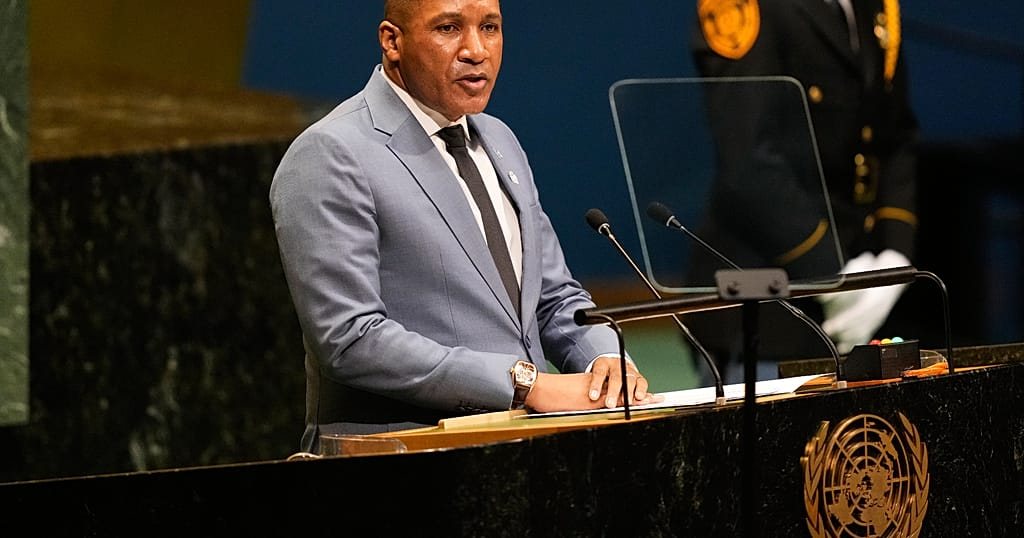
Botswana's Boko and Ivory Coast's Ouattara sign mining, energy and trade deals
Ukraine says Russia is targeting rescuers after 'double-tap' strike killed 72
Global Community Remarks
0