
Ten dead, more than 1,200 arrested and 150,000 on the move: Guinea's ban on small-scale gold mining turns deadly

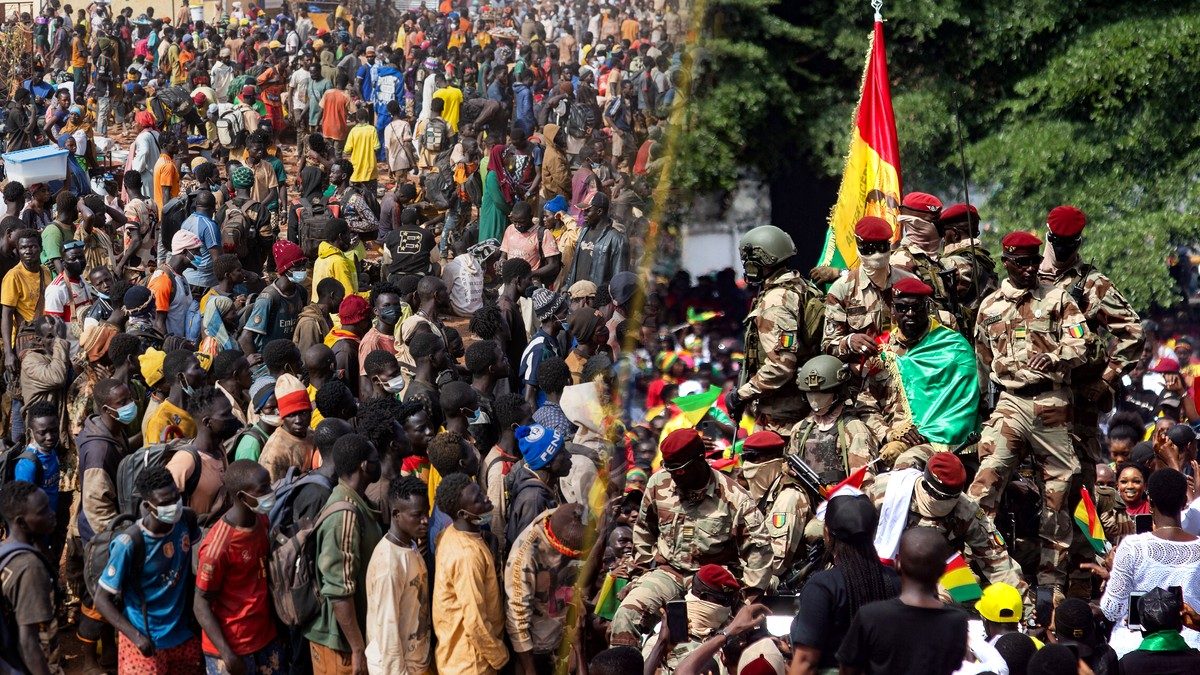
For hundreds of thousands of people in West Africa, a shovel, a pan and a pit in the earth of Siguiri were a living. In less than two weeks that living has been outlawed, and the fallout has now turned deadly: at least 10 people have been killed and 13 injured in clashes between protesters and security forces enforcing Guinea's new ban on small-scale gold mining.
Guinea's Ministry of Territorial Administration said the violence broke out on Wednesday in Balato, in the north-eastern Siguiri region, as defence and security forces patrolled to check that the ban was being obeyed. Protesters put up barricades to block the patrol and the confrontation escalated into an exchange of gunfire, the ministry said late on Thursday. Its statement did not say who fired first.
What the government says happened
- 10 people were killed, among them five foreign nationals who have not yet been identified
- 13 people were injured, including civilians and members of the security forces
- Two pick-up trucks and a security forces truck were set on fire
- A firearm and a motorcycle were taken by protesters
The figures are provisional. Judicial authorities have been instructed to establish what triggered the violence and who bears responsibility.
Why Guinea shut the pits
The government of President Mamadi Doumbouya banned artisanal gold mining in Siguiri on November 2. Officials say miners ignored regulations and left behind serious environmental damage: farmland torn up by heavy machinery, rivers polluted with chemicals and vegetation stripped away.
Enforcement has been sweeping. Authorities say more than 1,200 people suspected of illegal mining have been arrested in the Siguiri area this month and moved to the capital, Conakry, where the first mass trials opened this week.
The economic stakes are enormous. The UN Environment Programme estimates that artisanal and small-scale gold mining supports the livelihoods of more than 300,000 people in Guinea. Industry publication Mining.com.au, citing Guinea's mines ministry, reports that the country exported about 2.4 million ounces of gold in 2025, some 1.8 million ounces of it from artisanal operations. Guinea is Africa's sixth-largest gold producer, according to the World Gold Council.
An exodus across the borders
Many of those digging in Siguiri came from neighbouring countries, and the ban has sent them home in huge numbers.
Mali said last week that about 100,000 people had arrived in its capital, Bamako, with nearly 60,000 more in the border town of Kouremale, after being forced to leave Guinea. Burkina Faso said on Friday that it had repatriated 45,406 of its citizens.
A dilemma familiar across Africa
High gold prices have drawn growing numbers of young people into informal mining across the continent, and governments are struggling to balance jobs against poisoned rivers and ruined farmland. The tension is not unique to West Africa: Kenya's own gold belt in the west of the country has seen deadly pit collapses and long-running arguments over how to regulate small-scale miners.
Guinea's approach, an outright ban backed by security patrols, mass arrests and group trials, is among the toughest tried so far. Whether it restores the land or simply drives a desperate workforce underground, or over the border, is the question the deaths in Balato have now made urgent.
Photos: AFP via Al Jazeera (miners awaiting repatriation near Bamako); Guinean soldiers in Conakry, 2021 file photo by Aboubacarkhoraa (CC BY-SA 4.0), via Wikimedia Commons. Thumbnail design: HAMASTA MEDIA.


Take your event live to thousands.
Multi-camera live streams, panel discussions and digital broadcasts with professional crews.




More in International
See all
Canada and China agree new tariff cuts as both look to reduce reliance on US
Chivayo helicopter crash: Report says aircraft flew into fog, no mechanical fault found
Mongolia's President Khurelsukh to resign over railway corruption claims
Botswana's Boko and Ivory Coast's Ouattara sign mining, energy and trade deals
Ukraine says Russia is targeting rescuers after 'double-tap' strike killed 72
Muhoozi back on X, warns media of 10-year jail terms over criticism of Museveni
Global Community Remarks
0