
'The Strait of Hormuz is closed': Sirens wake Bahrain at 4am as Iran sends six drones at a US base, its second strike in three days
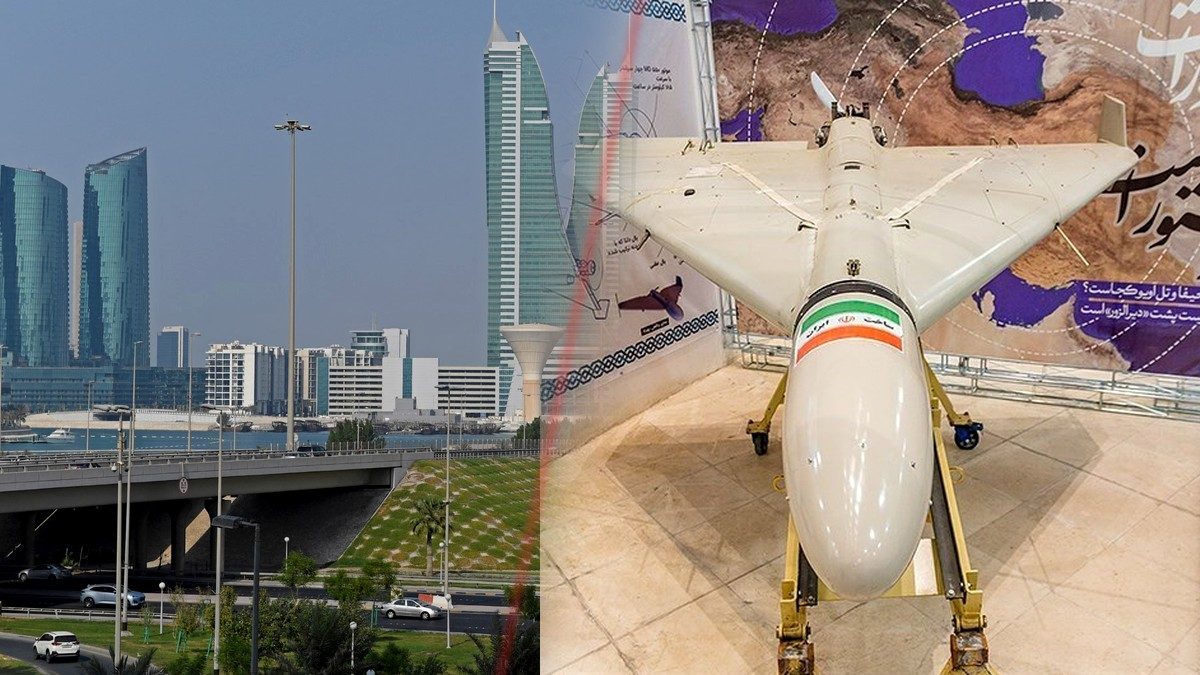
Residents of Bahrain were jolted awake by explosions at about 4am on Sunday as sirens sounded and the government told people to head for the nearest safe place, the first such warnings in the Gulf kingdom since September.
Iran's Islamic Revolutionary Guard Corps (IRGC) said it had sent six drones at a US air defence radar at the Al-Riffa helicopter base in Bahrain. Bahrain's military said its air defences intercepted the attack "before they could achieve their objectives", and its foreign ministry said Iranian drones had been shot down. An AFP journalist reported a second set of blasts at about 6.30am.
It was the second Iranian strike on Bahrain in three days, and a sign that the Middle East war, now in its ninth month, is far from over.
A warning aimed at Washington
In a statement carried by Iran's state broadcaster on Telegram, the Guards left no doubt about the message. "The Strait of Hormuz is closed, and any aggression by the American enemy will be met with an even harsher and more forceful response," the IRGC said.
On Friday, the Guards claimed they had hit a US early warning radar system in Bahrain. The US military's Central Command disputed that, saying two one-way attack drones were fired towards Bahrain and both were shot down by US forces, with no injuries or damage.
Bahrain, which hosts a major US naval base, did not mince words either. Its foreign ministry condemned "the continued brutal Iranian attacks on its territory" and said it rejects turning the country into "an arena for settling scores", holding Tehran fully responsible.
How the stand-off got here
- The war began on February 28 with surprise US-Israeli strikes that killed Iran's supreme leader, Ayatollah Ali Khamenei, according to AFP.
- Iran has since restricted shipping through the Strait of Hormuz, through which about a fifth of the world's oil and gas usually flows.
- A preliminary US-Iran deal in June to end the war and reopen the strait collapsed within weeks after attacks on shipping resumed and the US reimposed a naval blockade of Iranian ports.
- Earlier this week, US officials told CBS that American forces carried out limited strikes on Iran's Qeshm Island after the IRGC fired on a US aircraft.
Iranian negotiators had been discussing a proposal to reopen the strait within two days if Washington met seven conditions, reportedly including lifting the blockade and freeing frozen Iranian assets. But this week US President Donald Trump said the US was no longer interested in a deal and told Vice-President JD Vance to focus on domestic politics, according to the BBC. AFP reports Trump plans to raise the conflict at a three-way meeting with the Chinese and Russian leaders this week.
Why Kenyans should watch
The Gulf matters to Kenya far beyond the headlines. Most of the fuel Kenyans buy comes through the region, and any new disruption around Hormuz feeds straight into global oil prices. The government has already spent billions of shillings this cycle to stop pump prices from rising, a cushion that gets harder to sustain if tensions push crude higher.
Thousands of Kenyans also live and work across the Gulf states. In Bahrain, the interior ministry on Sunday urged residents to "remain calm" and follow only official channels for updates.
Photos: Arab News/AFP (Manama); Mohammadreza Jabbari via Wikimedia Commons (CC BY 4.0), Shahed-136 drone at an IRGC Aerospace Force exhibition. Thumbnail design: HAMASTA MEDIA.



Know what people say about you.
Media monitoring, audience insights and strategic communication for your brand.


More in International
See all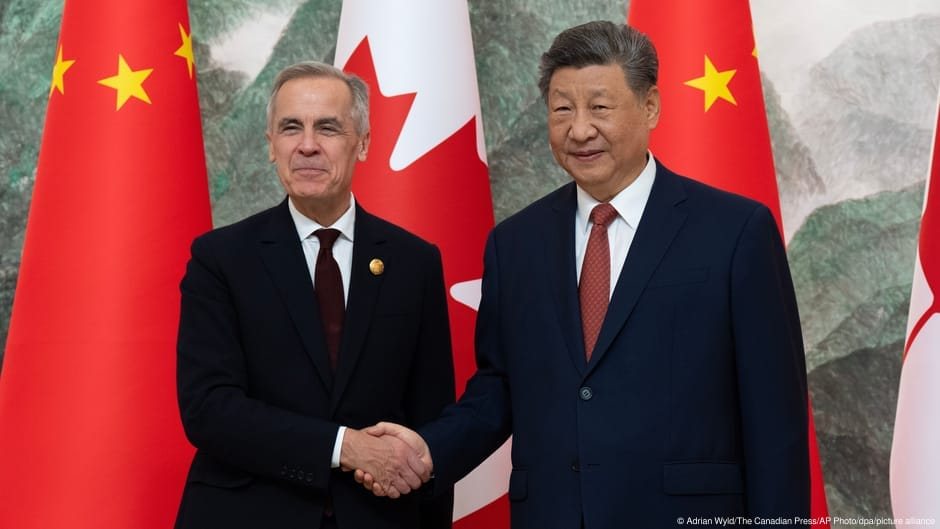
Canada and China agree new tariff cuts as both look to reduce reliance on US
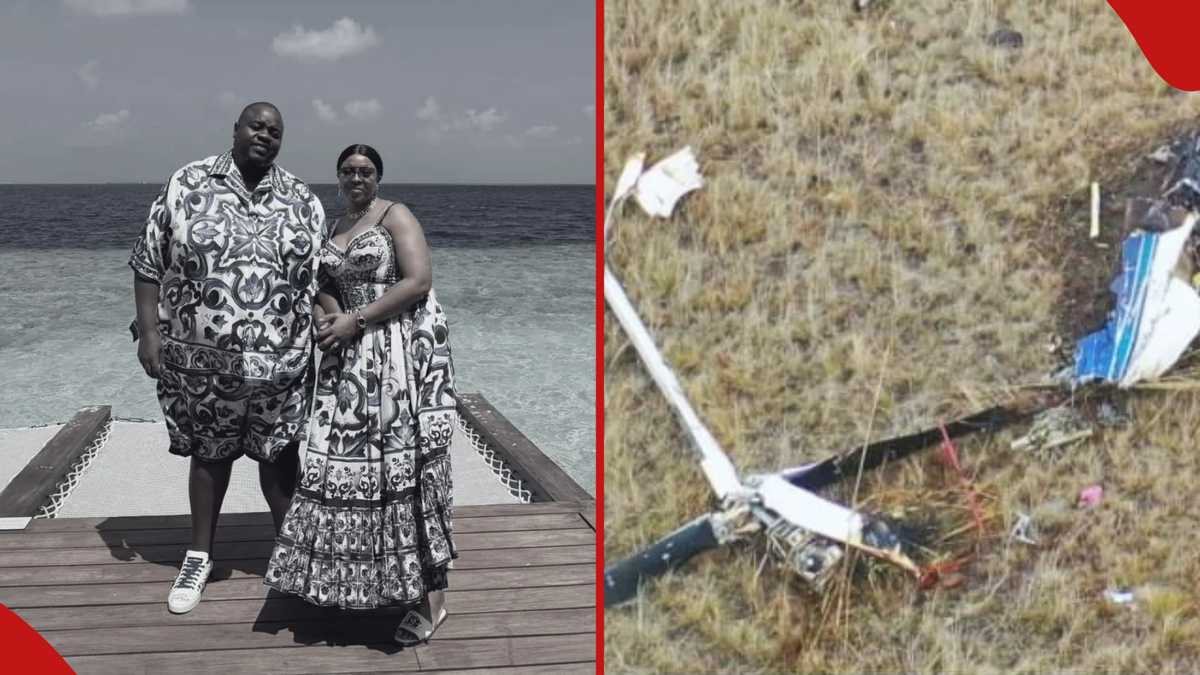
Chivayo helicopter crash: Report says aircraft flew into fog, no mechanical fault found

Mongolia's President Khurelsukh to resign over railway corruption claims
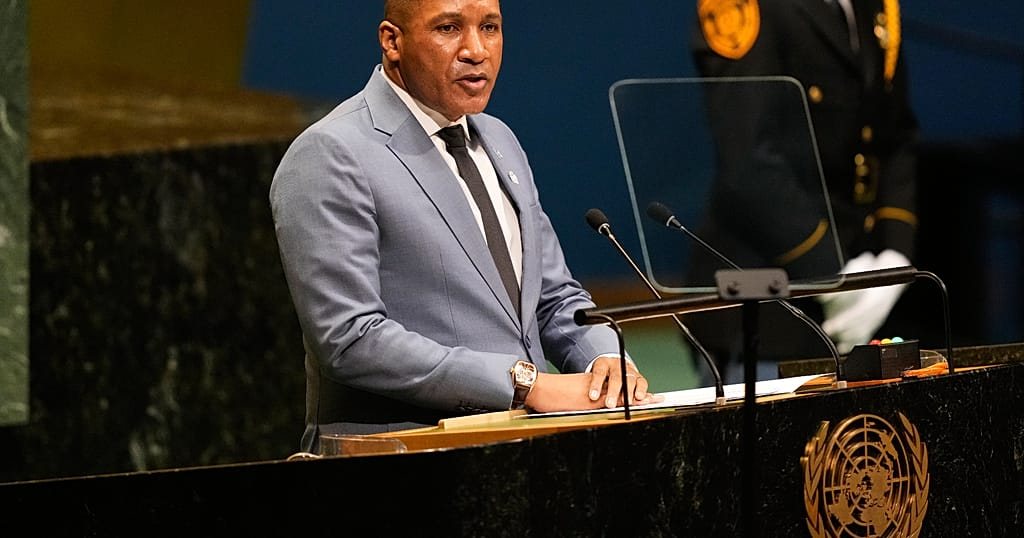
Botswana's Boko and Ivory Coast's Ouattara sign mining, energy and trade deals
Ukraine says Russia is targeting rescuers after 'double-tap' strike killed 72
Global Community Remarks
0