
First woman on the ballot in 51 years: Cape Verde votes as Joana Rosa takes on President Neves in a nation with more citizens abroad than at home
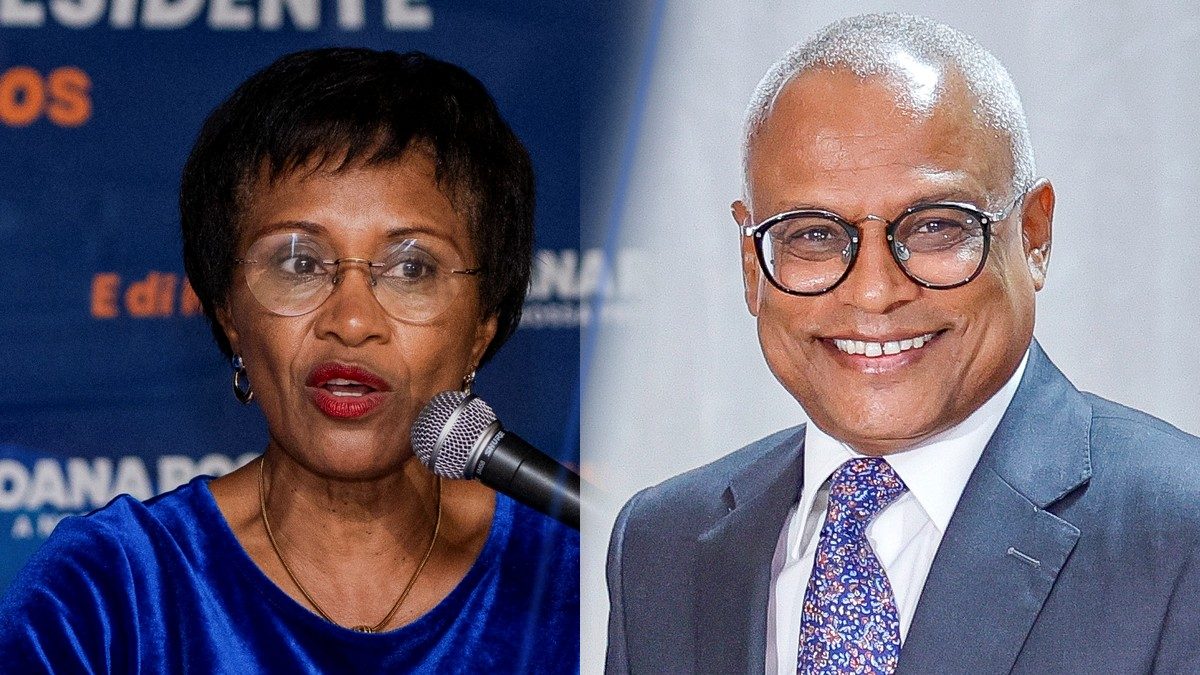
For the first time since the Atlantic islands won independence in 1975, a woman's name was on Cape Verde's presidential ballot on Sunday.
Former justice minister Joana Rosa, backed by the opposition Movement for Democracy, is the main challenger to President Jose Maria Neves, 66, who is seeking a second term and is seen as the favourite. Four other opposition candidates are also in the race.
Polls opened at 8am and closed at 6pm local time, with more than 300,000 people eligible to vote. About 150 observers from ECOWAS, the African Union and the European Union were watching, Africanews reported.
A nation that keeps leaving
The issue that shaped the campaign is one many young Kenyans will recognise: work. More Cape Verdeans live abroad, mainly in Portugal and the United States, than the roughly 500,000 people on the islands, according to Al Jazeera. About 77,000 diaspora voters registered at embassies.
Neves has promised a youth summit on emigration if he is re-elected. Rosa says the government must stop "the continued exodus of young Cape Verdeans abroad" and make it possible for young people to build a future at home.
Voters have also raised the cost of living, fuel prices, youth unemployment and the expense of travelling between the 10 volcanic islands. Both main candidates have promised better air and sea links.
Political scientist Roselma Evora of the University of Cabo Verde told Al Jazeera that many voters feel disconnected from the political class, believing their leaders do not understand their daily struggles.
Who is who
- Jose Maria Neves: from the African Party for the Independence of Cape Verde (PAICV), the country's oldest party. He was prime minister for 15 years before winning the presidency in 2021.
- Joana Rosa: a former justice minister whose Movement for Democracy governed for 10 years until it lost May's parliamentary election, when the PAICV took 37 of 72 seats.
Cape Verde runs a hybrid system in which the president has veto powers and a mediating role, while the prime minister, now former Praia mayor Francisco Carvalho, runs the government.
What happens next
Provisional results are expected within two to three days. A candidate needs more than 50 per cent to win outright; otherwise the top two will meet in a runoff on November 29.
The islands, about 600km off Senegal, are widely regarded as one of West Africa's most stable democracies. The country's football team reached the World Cup knockout stages this year, and in July the World Bank moved Cape Verde into the upper-middle-income group on the back of tourism growth, a step up that Kenya, still a lower-middle-income country, has yet to take.
Photos: Al Jazeera/Reuters (Joana Rosa); Ricardo Stuckert/Palacio do Planalto via Wikimedia Commons (CC BY 2.0), Jose Maria Neves. Thumbnail design: HAMASTA MEDIA.



Know what people say about you.
Media monitoring, audience insights and strategic communication for your brand.


More in International
See all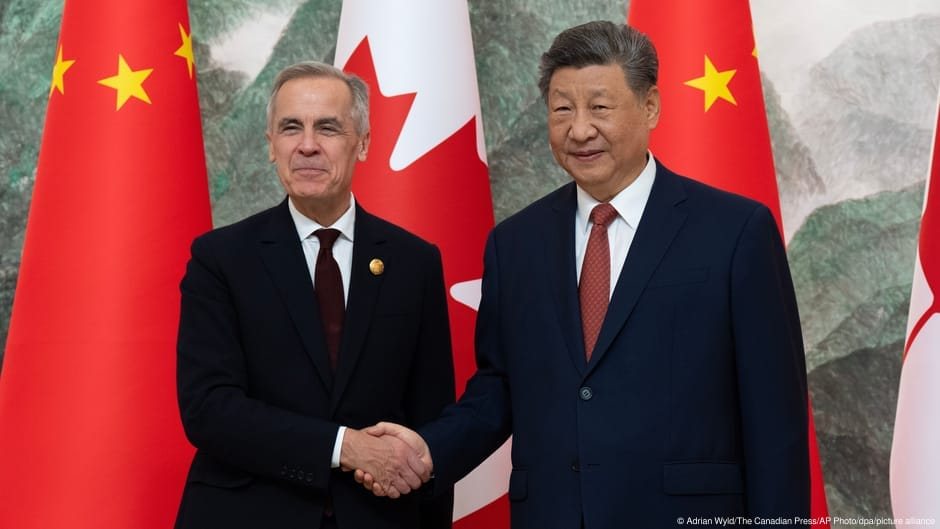
Canada and China agree new tariff cuts as both look to reduce reliance on US
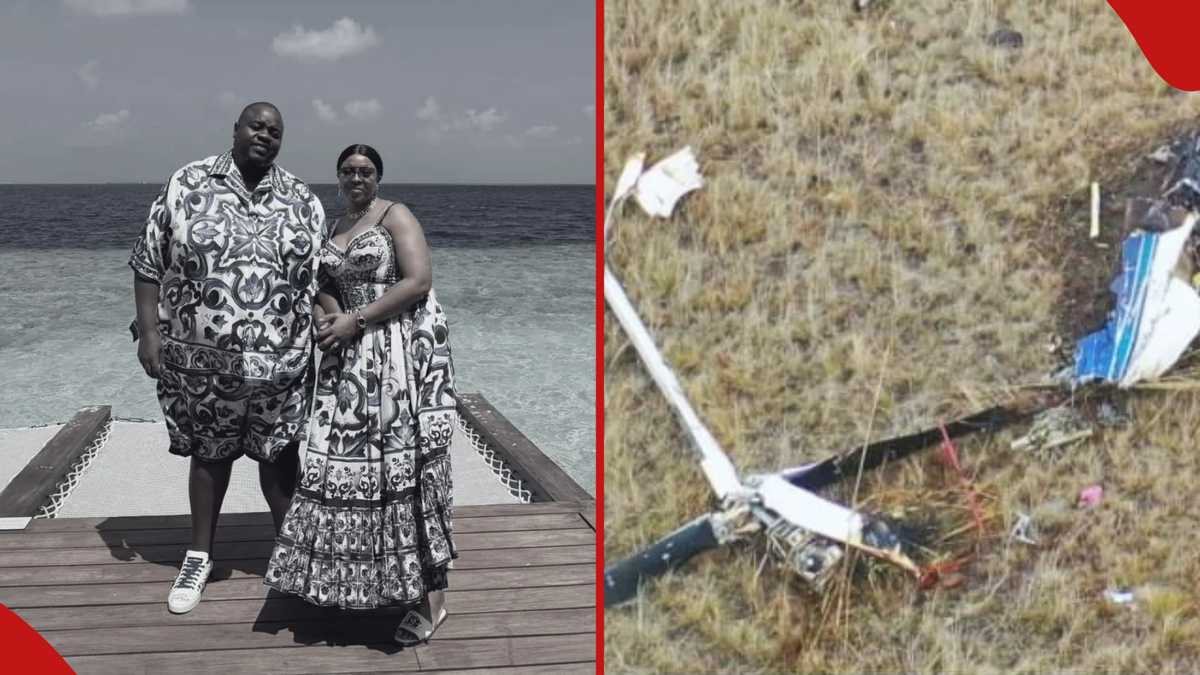
Chivayo helicopter crash: Report says aircraft flew into fog, no mechanical fault found
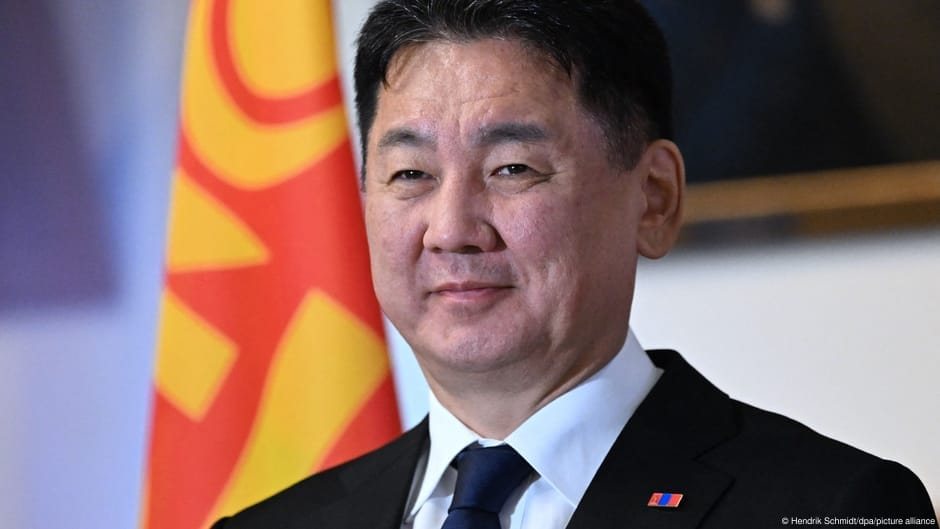
Mongolia's President Khurelsukh to resign over railway corruption claims
Botswana's Boko and Ivory Coast's Ouattara sign mining, energy and trade deals
Ukraine says Russia is targeting rescuers after 'double-tap' strike killed 72
Global Community Remarks
0