
128 nations meet in Geneva as world struggles to regulate AI-powered killer weapons
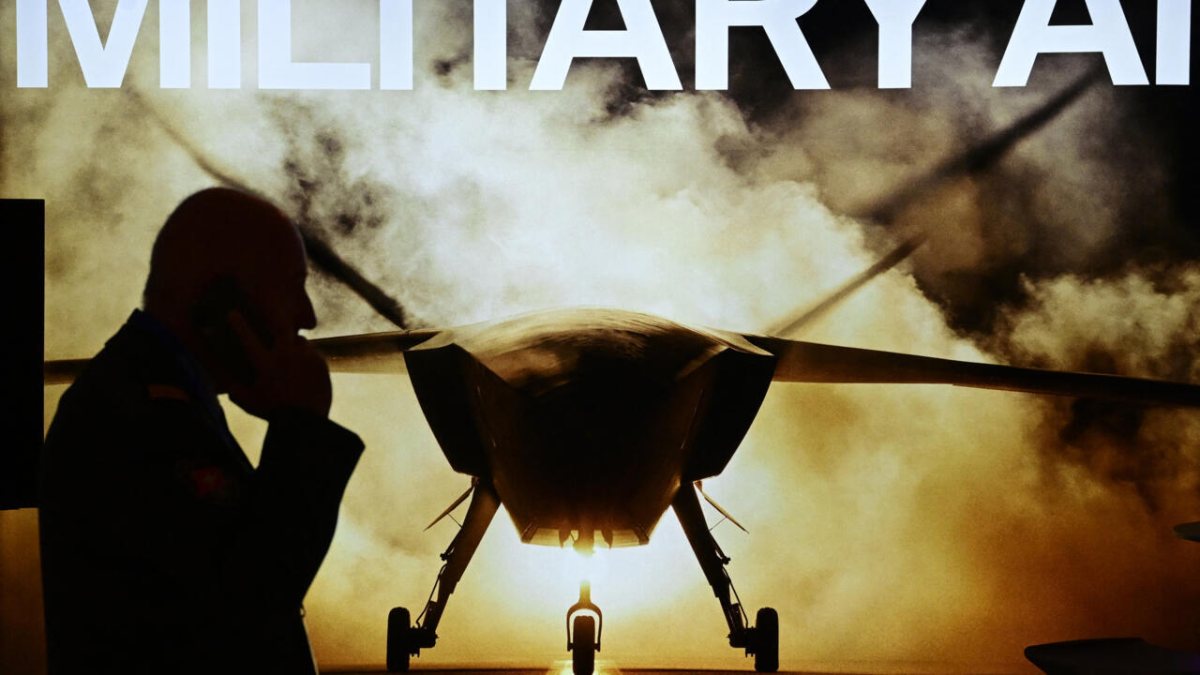
Government representatives from 128 countries gathered in Geneva on Monday to decide whether to open negotiations on legally binding rules for autonomous weapons, systems powered by artificial intelligence that can kill without a human making the final call, according to France 24.
The meeting is the Review Conference of the UN Convention on Certain Conventional Weapons (CCW). It is expected to be tense. Most member states back binding regulation in principle, but major arms producers, including the United States and Russia, have consistently resisted such a pact. Because the convention requires all decisions to be made by consensus, a small number of objecting states can block progress.
From theory to the battlefield
The debate is no longer hypothetical. In the war in Ukraine, both Moscow and Kyiv have deployed lethal drones fitted with AI guidance that can identify and hit pre-programmed targets even after losing contact with their operators.
France 24 reports that this shift has been driven by the cycle of escalation in the conflict. As one side develops jammers to knock attack drones off course, the other responds with drones that no longer depend on a signal at all.
Both countries are also believed to be testing drones that go further, selecting targets on their own rather than simply locking onto those chosen by humans. Citing New York Times reporting, France 24 said Ukrainian forensic investigators believe around six Russian drones that struck a petrol station in Zaporizhzhia in September, killing three people, were entirely guided by AI.
Who is responsible?
Vincent Boulanin, a senior researcher who directs the Governance and Artificial Intelligence Programme at the Stockholm-based peace research institute SIPRI, told France 24 that states have been discussing the issue under the CCW for more than a decade.
The central question, he explained, is whether such weapons can be used in line with international humanitarian law. With autonomous systems, the identification, ranking and engagement of targets is carried out by an algorithm inside the weapon. While states agree that commanders remain legally responsible, the concern is how autonomy affects their ability to ensure an attack is lawful.
Boulanin noted that automated defensive systems, such as those used to intercept incoming missiles, have existed for decades and were broadly accepted because their use was narrow and predictable. What is new in Ukraine, he said, is offensive use, where drones rely on automated targeting to complete a mission once communications are cut, sometimes reportedly against people.
"What used to be considered a futuristic debate is now something that is very tangible and real," Boulanin told France 24.
Why a ban is hard
Campaigners had hoped to follow the example of the 1995 protocol banning blinding laser weapons, which outlawed a technology before it was ever used in war. That model has not worked here, Boulanin said, because autonomous weapons take many forms and can be used in very different settings, from counter-terrorism operations in tunnels to high-intensity naval warfare.
He pointed to anti-personnel landmines as evidence that bans are possible, but said historic progress has usually followed documented harm to civilians and, above all, a political willingness among states to reach agreement. He described current political conditions as very difficult for any legally binding outcome.
Opposition from major powers
According to Boulanin, Russia, the United States and, to some degree, Israel have opposed a binding treaty from the outset. However, the US was once willing to engage on substance and was open to guidance on responsible use. That changed under the Trump administration, which he said now takes a much harder line against anything beyond existing international law.
He linked Washington's stance to its strategic rivalry with China and a reluctance to limit its options in a possible future conflict, adding that the US does not trust adversaries to follow new rules. He said Israel holds a similar view, wanting to retain the technology for its war against Hamas.
This story was prepared by the Hamasta Newsdesk with AI assistance, based on reporting by France 24. Read the original report. Photo: France 24.




Show the impact of your work.
Impact stories, campaign videos and community engagement for NGOs and programmes.

More in International
See all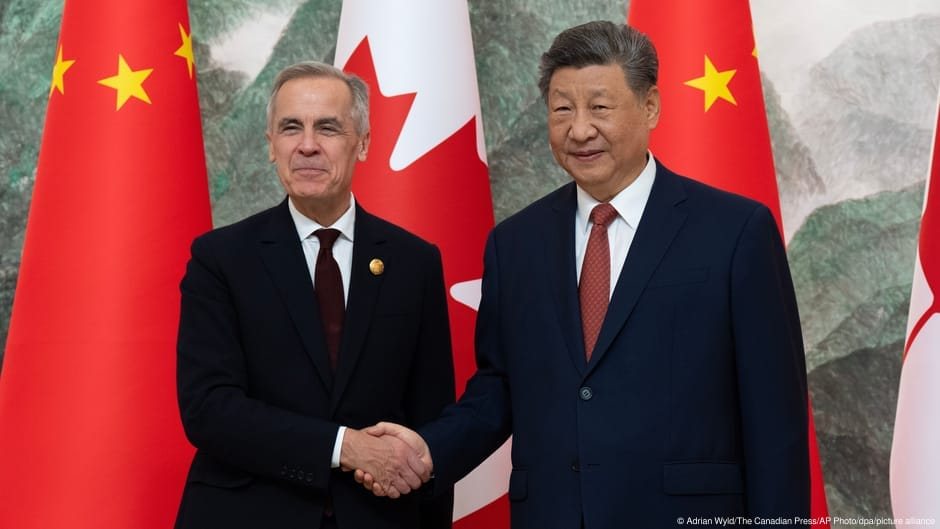
Canada and China agree new tariff cuts as both look to reduce reliance on US

Chivayo helicopter crash: Report says aircraft flew into fog, no mechanical fault found

Mongolia's President Khurelsukh to resign over railway corruption claims
Botswana's Boko and Ivory Coast's Ouattara sign mining, energy and trade deals
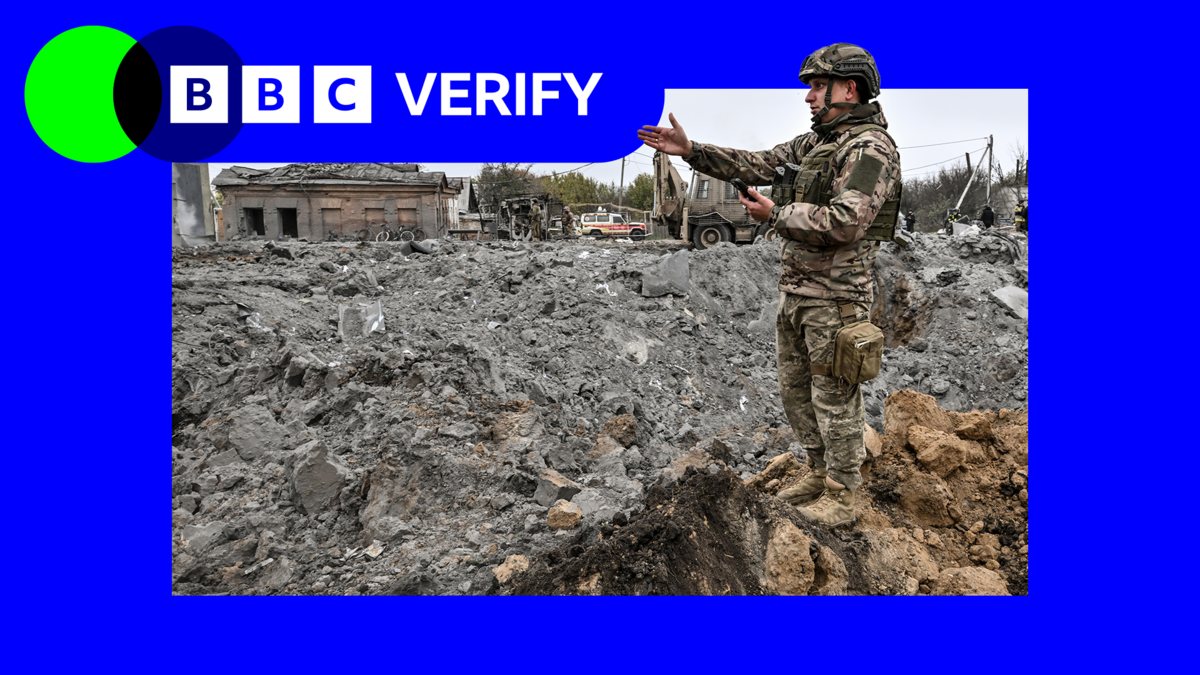
Ukraine says Russia is targeting rescuers after 'double-tap' strike killed 72
Global Community Remarks
0