
Iran warns of winter gas shortages as war damage deepens energy crisis
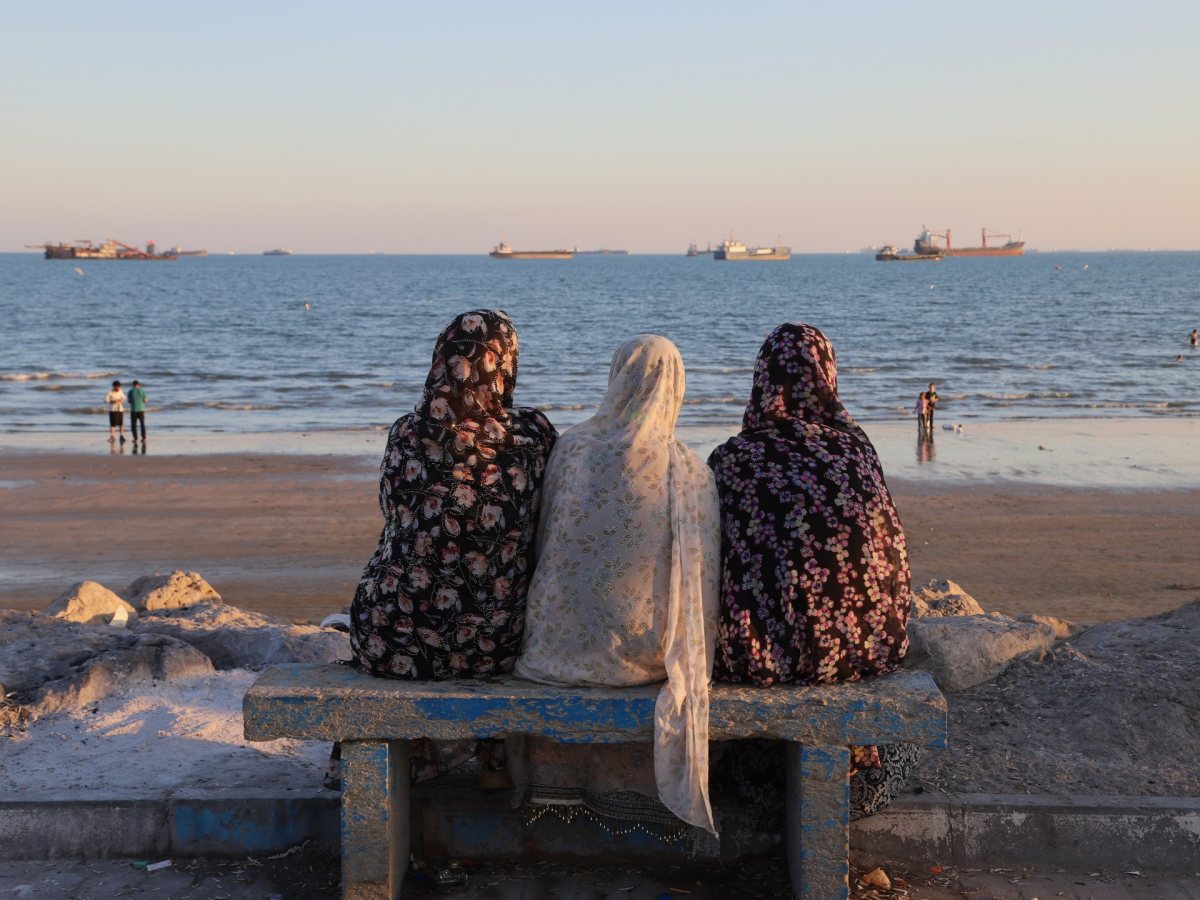
Iran is preparing for serious natural gas shortages this winter, with officials warning that supplies to homes and industries could be disrupted as war damage worsens a long-running energy imbalance, according to Al Jazeera.
The government last week projected a peak-demand shortfall of roughly 430 million cubic metres per day, even though the country sits on the world's second-largest proven gas reserves after Russia.
Refineries hit in strikes
Saeed Tavakoli, head of the National Iranian Gas Company, told local media that 26 projectiles hit six refineries on March 18 during strikes by the United States and Israel. He said the attacks immediately wiped out 28 percent of Iran's gas production capacity.
The government says about 100 million cubic metres per day of processing capacity has since been brought back. However, restoring a further 130 million cubic metres lost in the attacks could take until 2028.
Hashem Oraee, who leads the Iranian Energy Associations Union, said Iran could not count on gas imports to cover the gap.
Officials also blame years of underinvestment, international sanctions that have limited access to money and equipment, wasteful consumption and limited storage capacity.
Rising demand and vulnerable provinces
Gas makes up 73 percent of Iran's energy mix, Tavakoli said, adding that household use had already reached 480 million cubic metres a day and would climb steeply as temperatures fall. Last winter, peak consumption by households, businesses and small industries hit 737 million cubic metres.
The state gas company has flagged 11 of the country's 31 provinces as highly vulnerable, especially northern areas such as Mazandaran, Golestan and North Khorasan, where cold weather and their position at the far ends of transmission lines worsen pressure problems.
Government spokesperson Fatemeh Mohajerani warned that gas could be cut nationwide, including in Tehran, if consumption rises. She noted that restoring gas after a cutoff takes far longer than reconnecting electricity.
Industry likely to suffer first
Although the government has pledged to try to keep both households and industries supplied, the Zagros Petrochemical Company in the southern energy hub of Asaluyeh told shareholders on Saturday that it had shut a methanol unit indefinitely on the gas company's instructions.
David Jalilvand, managing director of German consultancy Orient Matters, told Al Jazeera that industry would carry the heaviest burden because authorities prioritise heating for homes, though he cautioned that this does not guarantee uninterrupted residential supply if shortages become severe.
Gas shortfalls may also trigger power cuts, since some power plants run on gas. Those plants have often switched to mazut, a cheap and heavily polluting fuel oil. Deputy Energy Minister Mostafa Rajabi Mashhadi said on Saturday that mazut burning would continue this year.
Austerity measures
To curb demand, the government has ordered affiliated bodies to cut gas use by 20 percent. Offices must keep temperatures at about 18 degrees Celsius and switch off heating on holidays, while homes are advised to stay between 18 and 21 degrees. Inspections last week led to gas disconnections at the Education Ministry and five other government buildings in Tehran for non-compliance.
Heavy users have been told their tariffs will rise sharply if they do not cut back. The government has also raised petrol prices twice in under a year, reduced monthly fuel quotas for private cars and, in October, required eligible civil servants to work from home at least two days a week.
First Vice President Mohammad Reza Aref said the public must be told honestly that the shortages stem from past imbalances and war damage.
Calls for reform
Umud Shokri, a senior visiting fellow at George Mason University, told Al Jazeera that unresolved problems could hit industrial output, jobs, inflation and living standards.
"Iran's biggest challenge is not a lack of energy resources," Shokri said.
He warned that without reforms and investment, the seasonal crisis could become a year-round one. Jalilvand said sustaining output from the South Pars field, shared with Qatar, increasingly requires foreign investment and technology, alongside reform of heavily subsidised energy prices.
In Mazandaran, Hamed, who runs a small apartment hotel, told Al Jazeera that low gas pressure last year affected heating, hot water and kitchen operations, and said he hopes it does not get worse this winter.
This story was prepared by the Hamasta Newsdesk with AI assistance, based on reporting by Al Jazeera. Read the original report. Photo: Al Jazeera.
Every moment, captured beautifully.
Events, corporate portraits, products and editorial shoots by our newsroom photographers.





More in International
See all
Bahrain intercepts drones as Iran's IRGC claims strike on US radar at Isa airbase
Canada and China agree new tariff cuts as both look to reduce reliance on US

Chivayo helicopter crash: Report says aircraft flew into fog, no mechanical fault found

Mongolia's President Khurelsukh to resign over railway corruption claims
Botswana's Boko and Ivory Coast's Ouattara sign mining, energy and trade deals
Global Community Remarks
0