
Moyale clashes on Ethiopia's Oromia-Somali border uproot thousands, drive refugees to Kenya
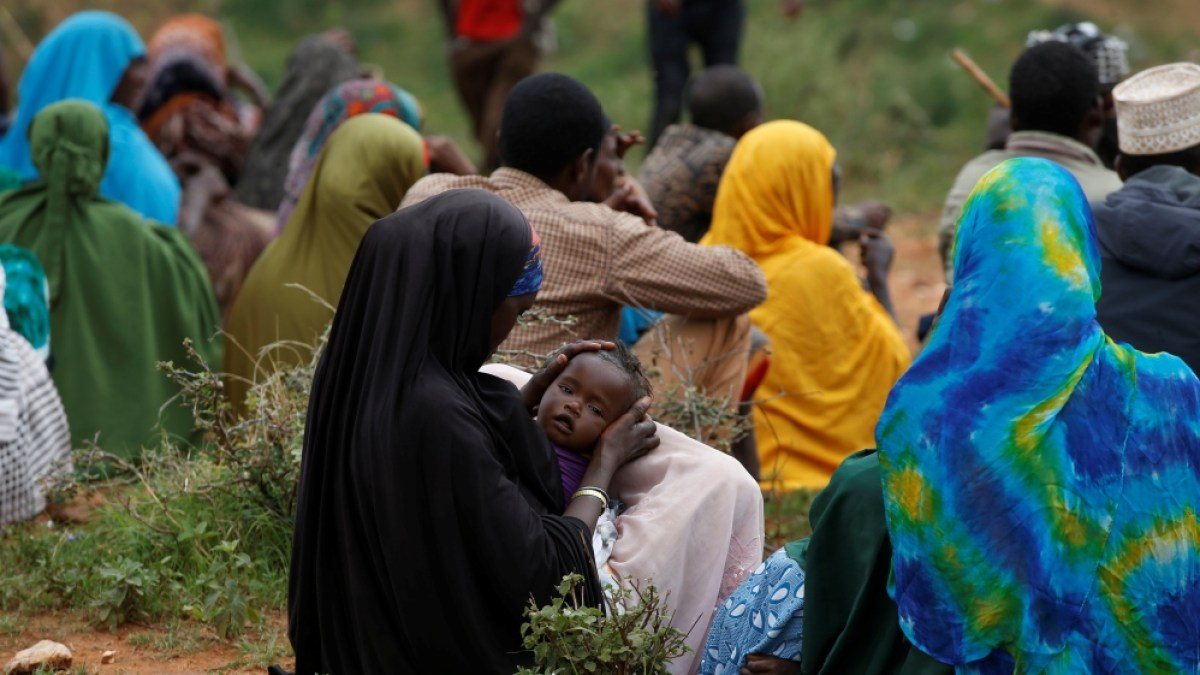
Violence involving police and armed groups aligned with Ethiopia's Oromia and Somali regional governments has upended daily life and trade around the border town of Moyale. Tens of thousands of people have fled into Kenya, Al Jazeera reports.
The fighting flared in Moyale in October. It has since spread into the neighbouring districts of Arero and Wachile in the southern Borana Zone. Efforts to settle a long-running territorial dispute between the two regions have so far failed.
Livelihoods hit
The livestock trade, a key source of income for rural households in the zone, has been badly disrupted. Residents say business activity and transport services have also been interrupted.
A Moyale resident, who spoke to Al Jazeera on condition of anonymity for security reasons, said people remained afraid. Gunfire, particularly at night, had made residents fear for their safety. The violence had also restricted movement and made routine tasks harder for traders, herders and transport operators.
How the latest violence began
According to the Armed Conflict Location and Event Data (ACLED) project, the escalation started on October 18. Somali regional police clashed with ethnic Oromo militia members after a Somali regional administration office was opened and its flag raised in a disputed part of Moyale.
ACLED's senior East Africa analyst, Jalale Getachew Birru, reported that a 13-year-old Oromo girl was killed in the confrontation. Accounts of her death differ. Some say she was caught in crossfire, while others claim she was killed after trying to take down the flag.
Ethiopian National Defence Force troops stepped in to halt the initial fighting, ACLED said. The next day, Oromo residents protested against the office opening and the girl's death, blocking the main road and forcing businesses to shut.
Elders and security officials from both sides later agreed to remove the Somali flag and suspend the office's opening. Somali residents then protested against that deal on October 20, closing the main road.
Fighting resumed on October 22, when Somali regional police clashed with Oromia regional police and Oromo militia members at several locations in Moyale. ACLED also recorded clashes between Oromo and Somali militias in parts of Arero and Wachile.
Calls for federal action
A security official familiar with the situation told Al Jazeera that clashes were ongoing and that attempts to broker a deal between representatives of the two regional administrations had collapsed. He said the crisis required direct and immediate federal involvement.
Cameron Hudson, a former director for African affairs at the US National Security Council, said federal forces were stretched by security problems elsewhere in Ethiopia. He also pointed to a perception among Somali communities that Prime Minister Abiy Ahmed and his Prosperity Party favour the Oromo, Abiy's own ethnic group.
Hudson argued that successive governments had reacted to violence rather than engaging local communities on its root causes.
"The federal government is ultimately responsible for addressing violence, even along regional borders," Hudson told Al Jazeera.
Roots of the dispute
The tensions between Borana Oromo and Somali communities stem from disagreements over administrative boundaries, political representation, and access to land and natural resources.
Ethiopia's National Election Board says a referendum was held on October 24, 2004, to decide the administration of 463 small communities along the regional border. However, a 2008 doctoral study by Boku Tache at the Norwegian University of Life Sciences found the vote covered Liban and parts of Arero, leaving the Moyale question unresolved.
Spillover into Kenya
On October 28, the UN refugee agency (UNHCR) said local authorities estimated that up to 50,000 people had crossed into Kenya since October 22. The agency said the figure was provisional while registration continued. Many arrivals were women and children who urgently need food, water, shelter, sanitation and healthcare.
On November 9, Prime Cabinet Secretary Musalia Mudavadi said he had spoken with his Ethiopian counterpart and urged Addis Ababa to restore stability so that those who fled could go home. According to The Star, Mudavadi put the number of arrivals at about 40,000 and said Ethiopia had pledged to work towards restoring normality.
This story was prepared by the Hamasta Newsdesk with AI assistance, based on reporting by Al Jazeera. Read the original report. Photo: Al Jazeera.



Know what people say about you.
Media monitoring, audience insights and strategic communication for your brand.


More in International
See all
Canada and China agree new tariff cuts as both look to reduce reliance on US

Chivayo helicopter crash: Report says aircraft flew into fog, no mechanical fault found

Mongolia's President Khurelsukh to resign over railway corruption claims
Botswana's Boko and Ivory Coast's Ouattara sign mining, energy and trade deals
Ukraine says Russia is targeting rescuers after 'double-tap' strike killed 72
Global Community Remarks
0