
UK PM Andy Burnham says Brexit has failed, seeks reset with EU before Brussels summit
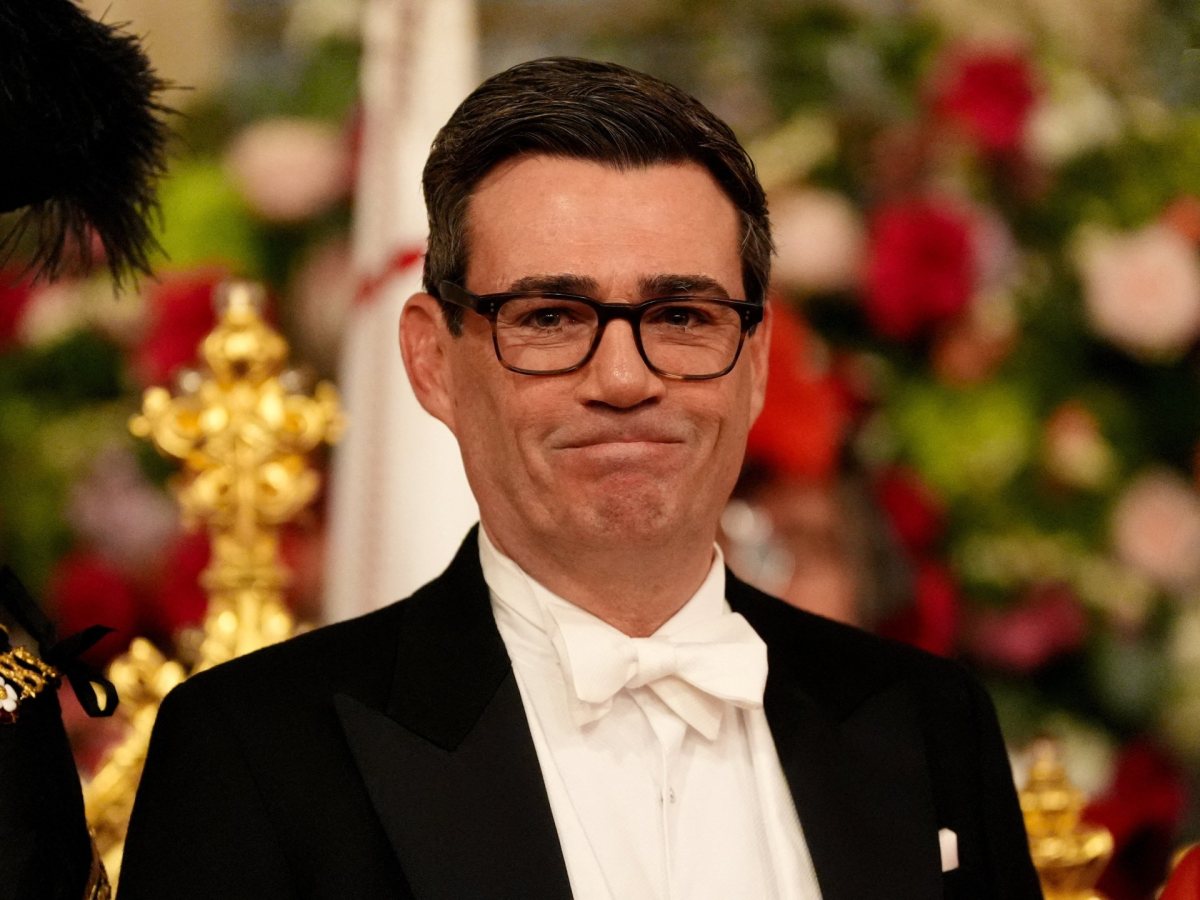
British Prime Minister Andy Burnham has declared that Brexit failed to deliver on its promises and that the United Kingdom must rebuild its relationship with the European Union to counter a growing global drift towards isolationism, according to Al Jazeera.
Burnham spoke on Monday at the Lord Mayor's Banquet in London, days before a UK-EU summit in Brussels on Friday. He said the meeting could bring tangible benefits to parts of the country that have long felt left behind.
"We have lost more than we have gained in the last 10 years," Burnham said.
He also described the hard form of Brexit that Britain ended up with as inadequate for the country.
A fairy-tale comparison
The prime minister likened the result of Britain's exit from the bloc, set in motion by the 2016 referendum, to Hans Christian Andersen's tale The Emperor's New Clothes, in which nobody dares tell the ruler that he is wearing nothing at all.
Burnham argued that the central pledge of the Leave campaign, to regain control over the country's borders, laws and economy, had not been fulfilled. He pointed to a steep fall in trade with EU countries and said estimates of the economic harm range between 4 and 8 percent of UK gross domestic product.
Three tests for any deal
Burnham set out three conditions that any agreement reached in Brussels must meet:
- It must be consistent with the Labour Party's manifesto and red lines.
- It must improve the Brexit settlement in line with what voters chose in 2016.
- It must pass what he calls the Makerfield Test, his yardstick for delivering real gains to neglected areas of the UK.
Britain is expected to conclude an agreement on trade in food and drink at the summit, alongside deals covering energy and emissions. A scheme allowing young people to work for limited periods in both Britain and the EU is also on the table, Al Jazeera reported.
The summit is a central part of Burnham's pledge to reset relations with the 27-member bloc, a decade after the referendum and six years after the UK formally left in 2020.
Brexit and global isolationism
Burnham framed Britain's departure as the opening move in a wider global shift towards protectionism and isolation, saying it served the interests of the country's adversaries. He said Russia had sought division within NATO and a weaker Europe.
He argued that Britain, having lived through the turmoil since 2016, was now well placed to help lead a new period of international cooperation. That turmoil has seen Burnham become the seventh British prime minister since the referendum.
He said he would begin talks with European partners on the UK's long-term relationship with the bloc soon after the Brussels meeting. His spokesperson, Tom Wells, said no assumptions were being made and that the British public would have the final say on any outcome.
Limits on what comes next
Despite his strong words, Burnham's room for manoeuvre is restricted. Until the next general election, he remains bound by a commitment made by Keir Starmer, whom he succeeded as Labour leader and prime minister, not to rejoin the EU's customs union or its single market.
Abandoning that commitment would reopen one of the most divisive questions in recent British politics. In the 2016 referendum, 52 percent of voters backed leaving the EU, while 48 percent supported remaining.
This story was prepared by the Hamasta Newsdesk with AI assistance, based on reporting by Al Jazeera. Read the original report. Photo: Al Jazeera.



Know what people say about you.
Media monitoring, audience insights and strategic communication for your brand.


More in International
See all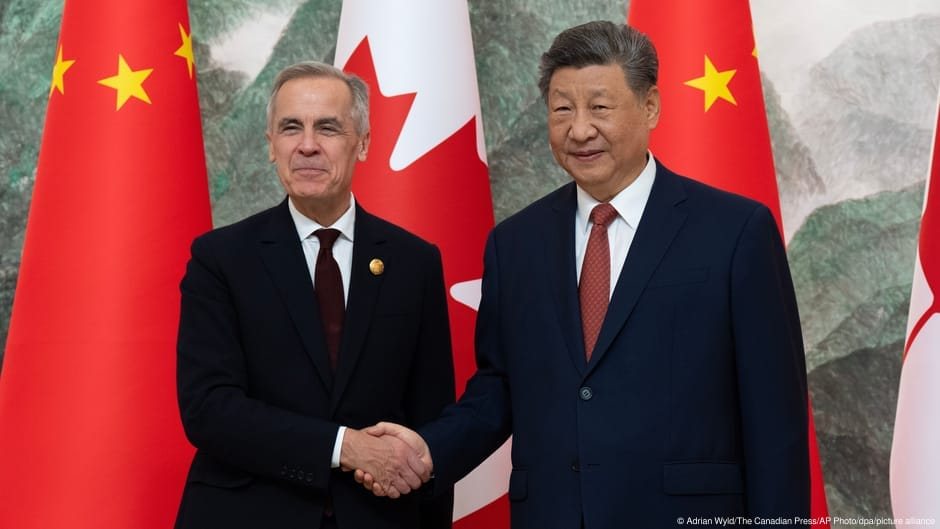
Canada and China agree new tariff cuts as both look to reduce reliance on US
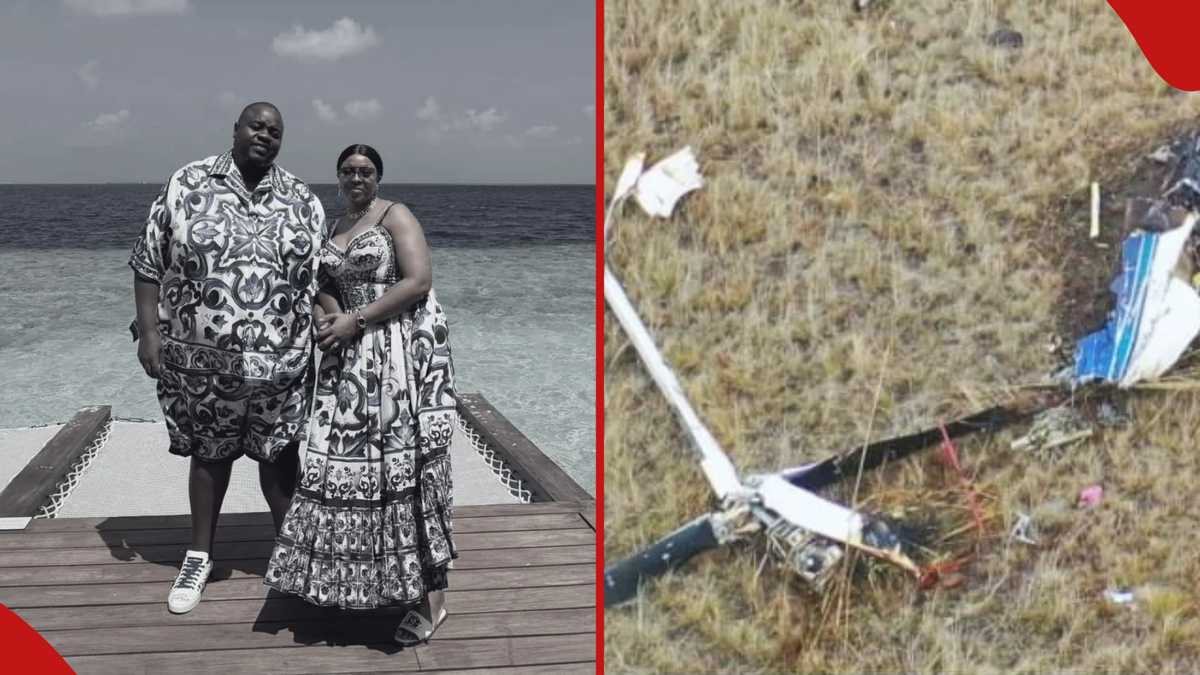
Chivayo helicopter crash: Report says aircraft flew into fog, no mechanical fault found
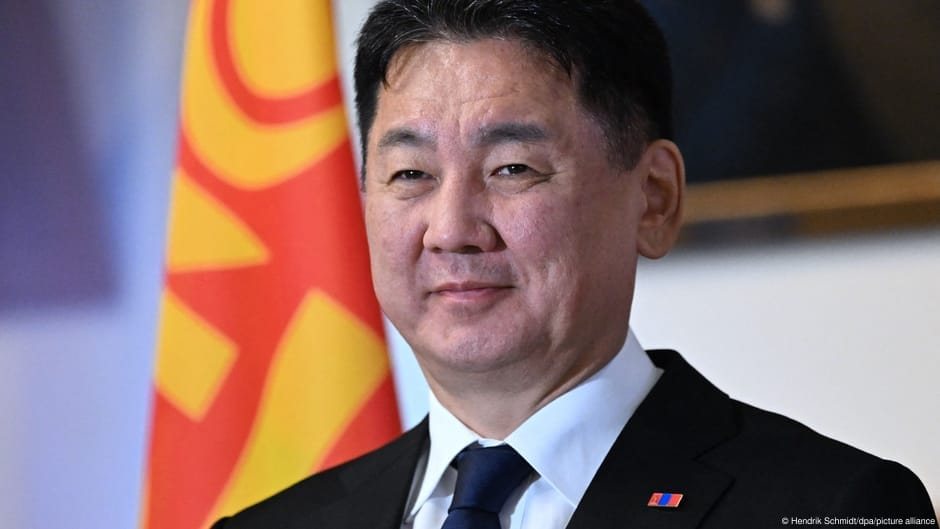
Mongolia's President Khurelsukh to resign over railway corruption claims
Botswana's Boko and Ivory Coast's Ouattara sign mining, energy and trade deals
Ukraine says Russia is targeting rescuers after 'double-tap' strike killed 72
Global Community Remarks
0