
Tanzania unveils free guidebooks for parents of premature babies
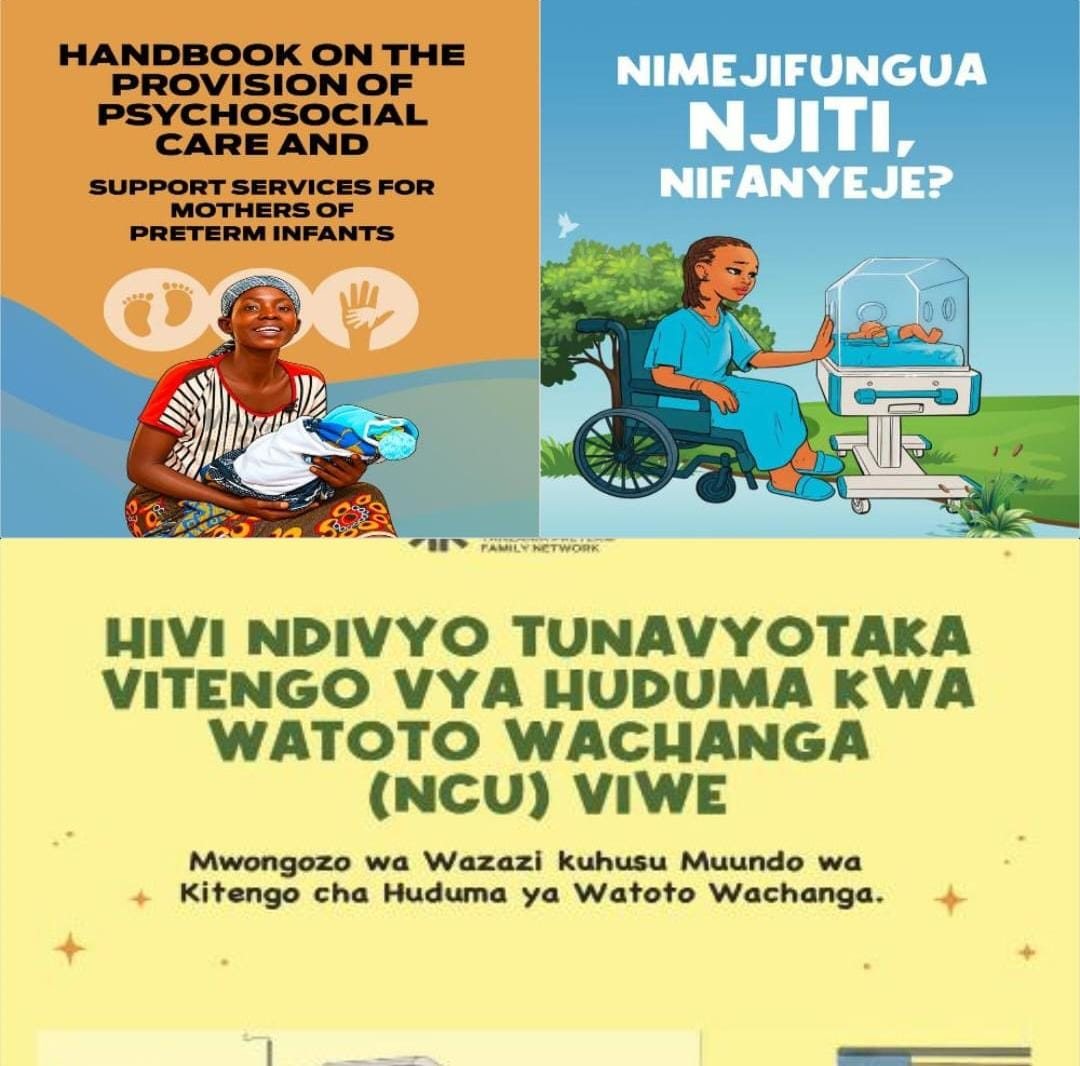
Families caring for babies born too early in Tanzania will receive free practical guidance after three new educational books were launched in Dar es Salaam, according to KBC.
The publications were unveiled during this year's World Prematurity Day celebrations. They were developed by the Doris Mollel Foundation in partnership with the Tanzanian government.
The books aim to help parents cope with the demands of looking after premature infants, to support mothers' psychological wellbeing and to guide improvements in the design of specialised newborn care facilities.
What the books cover
The three titles each address a different aspect of premature birth:
- I Have Delivered Prematurely, What Should I Do? gives parents and caregivers advice on handling a premature birth and caring for the newborn.
- A guide to psychosocial support focuses on the emotional and psychological strain faced by mothers of premature babies.
- Recommendations for Neonatal Care Units set out how such units should be designed, equipped and run to serve newborns, their mothers and the health workers who care for them.
The books will be handed out at no cost to parents, healthcare workers and other targeted groups, with the goal of raising awareness and improving the standard of care, KBC reported.
Doris Mollel, founder and executive director of the foundation, said the content was shaped by the real experiences, difficulties and needs of families who have had premature babies.
Government pledges better neonatal services
Deputy Health Minister Dr Florence Samizi said the government would keep strengthening maternal and newborn healthcare. She pointed to better neonatal facilities, wider access to quality services and greater involvement of parents in caring for premature infants.
Dr Samizi also announced plans to upgrade hospital wards so that mothers can remain with their premature babies. She further urged fathers to take part in caring for their newborns from birth.
A major public health challenge
The launch comes as premature birth remains a significant public health concern, especially in Africa, where access to specialised newborn care is uneven.
According to the World Health Organization (WHO), about 15 million babies are born prematurely around the world every year, roughly one in every 10 births.
A preterm birth is defined as a baby born alive before 37 weeks of pregnancy have been completed.
The WHO notes that complications linked to premature birth are the leading cause of death among children under the age of five. Sub-Saharan Africa and South Asia account for the largest share of these cases.
World Prematurity Day is marked annually to draw attention to the challenges facing preterm babies and their families, and to push for better care and outcomes.
This story was prepared by the Hamasta Newsdesk with AI assistance, based on reporting by KBC. Read the original report. Photo: KBC.


Grow an audience that listens.
Social media management, digital campaigns and online storytelling that converts.



More in Health
See all
Aga Khan Hospital reattaches severed arm in East Africa's first full-arm replantation
Baby born at 675 grams in Kijabe goes home after months in intensive care
Kenya traces all 135 Ebola contacts as 42-day countdown to outbreak's end begins

WHO warns testing and funding gaps are weakening global fight against drug resistance
US loses measles elimination status after 26 years as cases hit record high
Global Community Remarks
0