
US share of Kenya's diaspora remittances falls below half after Sh43bn drop
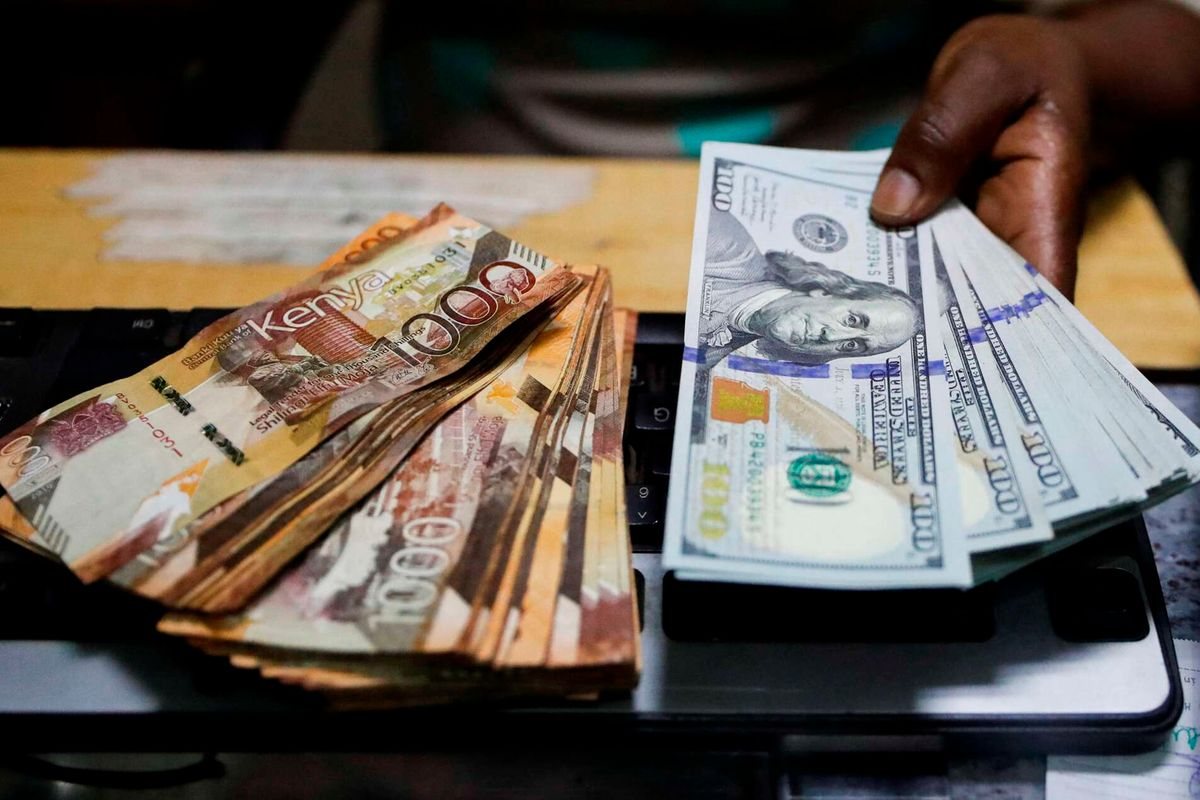
Money sent home by Kenyans living in the United States fell by Sh42.9 billion in the first ten months of the year. The drop has pushed America's share of total diaspora remittances below half for the first time since the Central Bank of Kenya (CBK) began publishing a breakdown by country, according to Business Daily.
Inflows from the US fell 14.3 percent to $1.97 billion (Sh256 billion) between January and October. In the same period last year they stood at $2.3 billion (Sh298.9 billion). The US has long been Kenya's single largest source of diaspora income.
America's share shrinks
The US accounted for 46.85 percent of all remittances in the period, down from 54.49 percent a year earlier. That is a loss of 7.64 percentage points.
America's share has historically stayed above half. Publicly available data shows it peaked at 59.38 percent in 2021. The CBK started releasing remittance figures by source country in February 2019.
The slowdown was sharpest in October. US transfers that month fell 28.1 percent to $178.45 million (Sh23.20 billion), from $248.04 million (Sh32.24 billion) a year earlier. The US share of October inflows fell to 41.46 percent from 56.53 percent.
Overall inflows almost flat
Total remittances from Kenyans abroad slipped 0.32 percent to $4.20 billion (Sh545.92 billion), from $4.21 billion (Sh547.22 billion), CBK data shows. Business Daily reports that this is the lowest January-October level in 17 years. Growth in several other markets softened the blow from the US decline.
Gulf, Australia and Europe gain ground
Kenyans in the United Arab Emirates recorded the biggest improvement among the leading markets. Their transfers jumped 81.2 percent to $188.6 million (Sh24.52 billion), lifting the UAE's share of total receipts to 4.49 percent from 2.47 percent.
Other markets also grew:
- United Kingdom: up 14.7 percent to $342.8 million (Sh44.56 billion). It remains Kenya's second-largest source of diaspora cash.
- Australia: up 26.4 percent to $239.6 million (Sh31.14 billion).
- Germany: up 10.9 percent to $174.4 million (Sh22.67 billion).
- Canada: up 15.6 percent to $158.2 million (Sh20.56 billion).
Saudi Arabia went the other way. Transfers from Kenyans there fell 50.7 percent to $132.5 million (Sh17.22 billion), from $268.9 million (Sh34.95 billion) a year earlier. That is a loss of more than Sh17 billion.
Saudi Arabia has tightened its rules on foreign employment to give priority to its own citizens. The changes could affect migrant workers in jobs such as domestic work, cleaning, driving and security.
Pressures on US-based senders
The fall in US inflows has come alongside rising living costs. A one percent tax on certain money transfers abroad also took effect on January 1, which may have raised the cost of sending money home for some migrants.
The trend is a challenge to President William Ruto's plan to make overseas jobs a major source of employment for Kenyan workers. At the 19th Ambassadors Conference in Nairobi on March 18, the President said more than 540,000 Kenyans had found work abroad through the government's Kazi Majuu programme. He urged diplomats to open up opportunities in new markets.
CBK cuts growth forecast
CBK Governor Kamau Thugge has acknowledged the slowdown. In an October monetary policy presentation, he said inflows had remained resilient, helped by more diverse source countries and policies to export skilled labour.
"Nevertheless, the remittances inflows slowed down mainly reflecting reduced inflows from the USA and Saudi Arabia."
The central bank has cut its remittance growth forecast for 2026 to 0.7 percent, down from 1.5 percent.
Diaspora remittances help Kenyan households pay school fees, medical bills and housing costs and meet daily spending. They are also a key source of the dollars the country needs to pay for imports and meet its external obligations.
This story was prepared by the Hamasta Newsdesk with AI assistance, based on reporting by Business Daily. Read the original report. Photo: Business Daily.


Grow an audience that listens.
Social media management, digital campaigns and online storytelling that converts.



More in Business
See all
Sakaja Warns Nairobi Traders Against Fake Liquor and Gaming Inspectors

Vehicle Registrations Climb for Second Month as NTSA Tightens Road Crackdown

Nairobi–Thika highway motorists could pay tolls under proposed Sh100bn PPP road deal
EU air safety list keeps 12 African countries under flight bans, Tanzania tops list

SGR Passenger Numbers Fall 28 Per Cent in September as Revenue Drops by Ksh113m

Global Community Remarks
0