
Sakaja Warns Nairobi Traders Against Fake Liquor and Gaming Inspectors
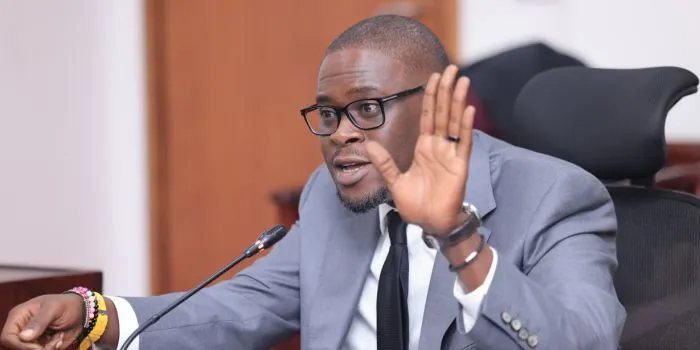
Nairobi Governor Johnson Sakaja has cautioned business owners and residents against people posing as county liquor licensing officers and gaming inspectors to carry out unauthorised enforcement, according to Kenyans.co.ke.
In a notice dated Wednesday, November 18, the governor released an official register of officers, inspectors and Sub-County Committee members cleared to perform licensing and inspection duties in all 17 of the capital's sub-counties.
The county made clear that any individual whose name does not appear on the published list has no mandate to act on behalf of Nairobi City County in these roles.
Traders told to verify identities
Sakaja asked traders and members of the public to confirm the identity of anyone claiming to be a county official before permitting them to conduct inspections or take enforcement action.
"We urge the public and business community to verify officers' identities to guard against fraud, impersonation and unauthorised enforcement," the notice read.
The move is part of wider efforts by the county to tackle rogue enforcement officers and strengthen accountability in its licensing and inspection activities, Kenyans.co.ke reported.
According to the county, gaming inspectors are mandated to regulate casino games, betting and lotteries. Their role also includes enforcing industry standards and supervising gaming activities, both inside and outside gaming premises.
National crackdown on illicit alcohol
The county's warning coincides with an intensified national government campaign against illicit alcohol and drug trafficking.
On the same Wednesday, Deputy President Kithure Kindiki held a meeting with the National Steering Committee on Combating Illicit Alcohol and Drugs in Karen, Nairobi. He was briefed on intelligence-led operations aimed at the manufacture, distribution and sale of illegal substances.
The committee also presented proposed legislative amendments designed to bolster enforcement, curb illegal trade and support rehabilitation programmes for people affected by substance abuse.
Proposed changes to alcohol laws
These developments follow the tabling of the Alcoholic Drinks and Drugs Control Laws (Amendment) Bill, 2026. Among its key proposals are:
- Raising the legal drinking age from 18 to 21.
- Introducing a levy of Ksh2 per litre on alcoholic drinks manufactured in or imported into the country.
- Banning online alcohol sales, home deliveries and sales through vending machines.
- Restricting alcohol outlets operating close to learning institutions.
Court action on online sales
Separately, the High Court on November 9 suspended online alcohol sales and deliveries in Nairobi unless sellers meet licensing, age-verification and access requirements. The case was scheduled for mention on November 18, Kenyans.co.ke reported.
For Nairobi's bar owners, liquor sellers and betting operators, the county's register now serves as the reference point for determining whether an inspector at their door is genuine.
This story was prepared by the Hamasta Newsdesk with AI assistance, based on reporting by Kenyans.co.ke. Read the original report. Photo: Kenyans.co.ke.




Show the impact of your work.
Impact stories, campaign videos and community engagement for NGOs and programmes.

More in Business
See all
Vehicle Registrations Climb for Second Month as NTSA Tightens Road Crackdown

Nairobi–Thika highway motorists could pay tolls under proposed Sh100bn PPP road deal
EU air safety list keeps 12 African countries under flight bans, Tanzania tops list
SGR Passenger Numbers Fall 28 Per Cent in September as Revenue Drops by Ksh113m
PBO Proposes Three-Year Plan for Counties to Clear Ksh172.5bn Owed to Suppliers
Global Community Remarks
0