
NSE investors face source-of-funds checks under new CMA anti-laundering rules
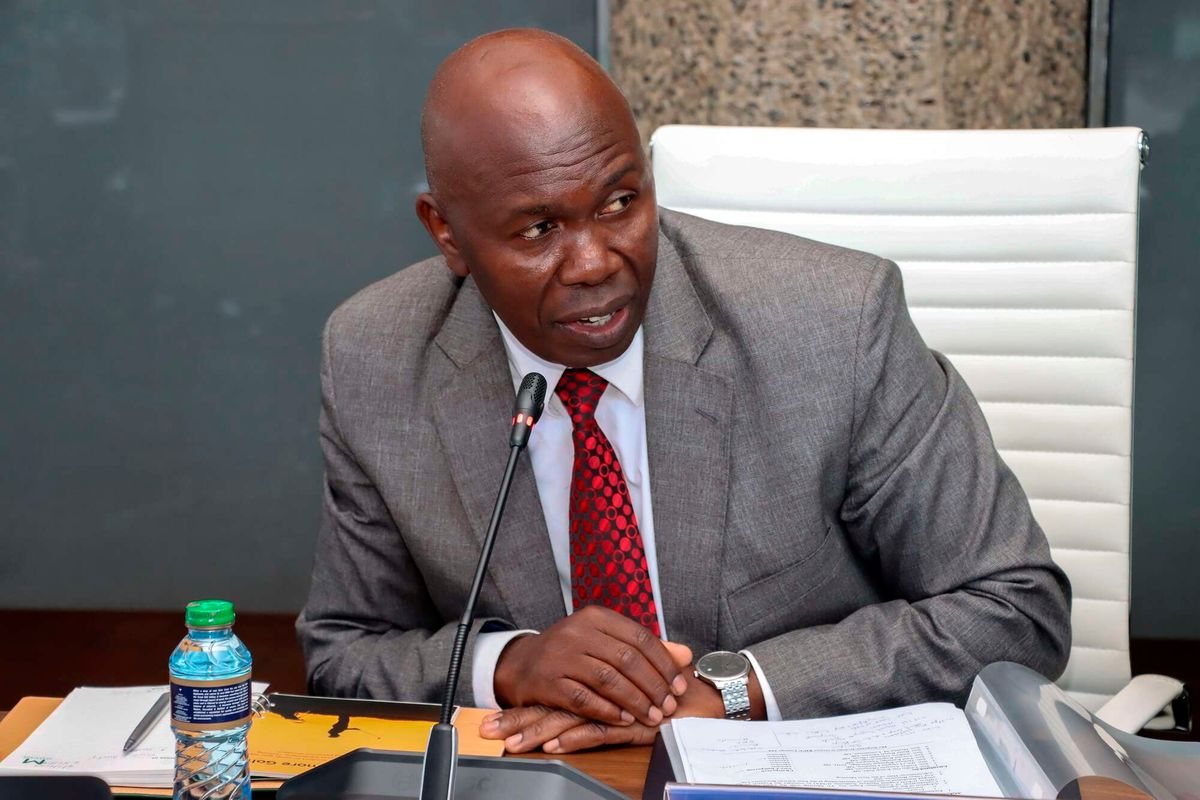
Investors buying shares on the Nairobi Securities Exchange (NSE) will have to disclose where their money comes from, along with their home addresses and bank statements, under proposed rules from the Capital Markets Authority (CMA) aimed at stopping money laundering through the stock market, according to Business Daily.
The draft regulations place the burden of vetting on stockbrokers and managers of collective investment schemes, who would be required to run background checks on every investor opening an account with them.
Tougher scrutiny for high-risk clients
Customers considered more exposed to money laundering would face enhanced checks. These include people using nominee accounts, those running cash-heavy businesses and those operating through complex corporate structures.
Politicians are also classified as high-risk clients requiring closer attention from brokers, Business Daily reports, noting that politicians are becoming increasingly active on the stock market.
Under the proposals, market intermediaries would give each customer a risk rating for money laundering, terrorism financing and proliferation financing when the relationship begins. The rating would be reviewed periodically and whenever a trigger event occurs.
Other key requirements in the draft include:
- Retail investors making exceptionally large trades would be flagged and reported to the CMA for further review.
- Large buyers who say they are employed would have to provide a reference letter from their employer and proof of membership in professional bodies.
- Foreign investors would need certification from their embassies, with those in politics or from higher-risk countries facing stricter checks.
- Brokers would hire third parties in investors' home countries to carry out background checks.
Where a client fails to meet the due diligence requirements, the intermediary would have to decline the business. For existing clients, the relationship would be terminated and the broker would consider filing a suspicious transaction report with the Financial Reporting Centre (FRC).
Why capital markets are targeted
The CMA argues that the global reach of capital markets and advances in financial technology allow fast, relatively anonymous transactions, making them attractive to those seeking to clean illicit money by buying and selling securities to distance funds from their origin. Markets can also generate illicit proceeds directly, for instance through insider trading.
Listed equities are among Kenya's largest and most liquid markets, with Sh963 million in shares traded on Tuesday alone, Business Daily reported. The regulator says the disclosures will help identify the true beneficial owners of investments.
Grey list pressure
The rules come as Kenya works to get off the Financial Action Task Force (FATF) "grey list", where it was placed in 2024 over concerns about money laundering and terrorist financing. The listing means Kenyan businesses face extra due diligence from foreign banks and financial partners.
Despite reforms over the past two years, Kenya stayed on the list in October, when Bulgaria, Côte d'Ivoire, the Democratic Republic of the Congo and Monaco were removed.
The Treasury has pledged to expose secret owners of companies, introduce risk-based regulation of non-profit organisations and align its targeted financial sanctions framework with FATF standards. These steps build on the Anti-Money Laundering and Combating of Terrorism Financing Laws (Amendment) Act, 2025, and the Virtual Asset Service Providers Act, 2025, which set up licensing and supervision of digital asset firms such as cryptocurrency providers.
Challenges remain. A 2025 FRC risk assessment found that 282 of 442 entities profiled across four sectors were medium or high risk. Real estate was the most exposed, with 153 agencies in those categories against 40 rated low risk, followed by law firms, with 74 medium-to-high-risk firms and 12 low-risk.
The Treasury said it will keep reporting progress to FATF and the Eastern and Southern Africa Anti-Money Laundering Group as Kenya works to complete its action plan.
This story was prepared by the Hamasta Newsdesk with AI assistance, based on reporting by Business Daily. Read the original report. Photo: Business Daily.


Take your event live to thousands.
Multi-camera live streams, panel discussions and digital broadcasts with professional crews.




More in Business
See all
Vehicle Registrations Climb for Second Month as NTSA Tightens Road Crackdown

Nairobi–Thika highway motorists could pay tolls under proposed Sh100bn PPP road deal
EU air safety list keeps 12 African countries under flight bans, Tanzania tops list

SGR Passenger Numbers Fall 28 Per Cent in September as Revenue Drops by Ksh113m
PBO Proposes Three-Year Plan for Counties to Clear Ksh172.5bn Owed to Suppliers
Global Community Remarks
0