
Nairobi Expressway loss widens to Sh5bn despite surge in daily traffic
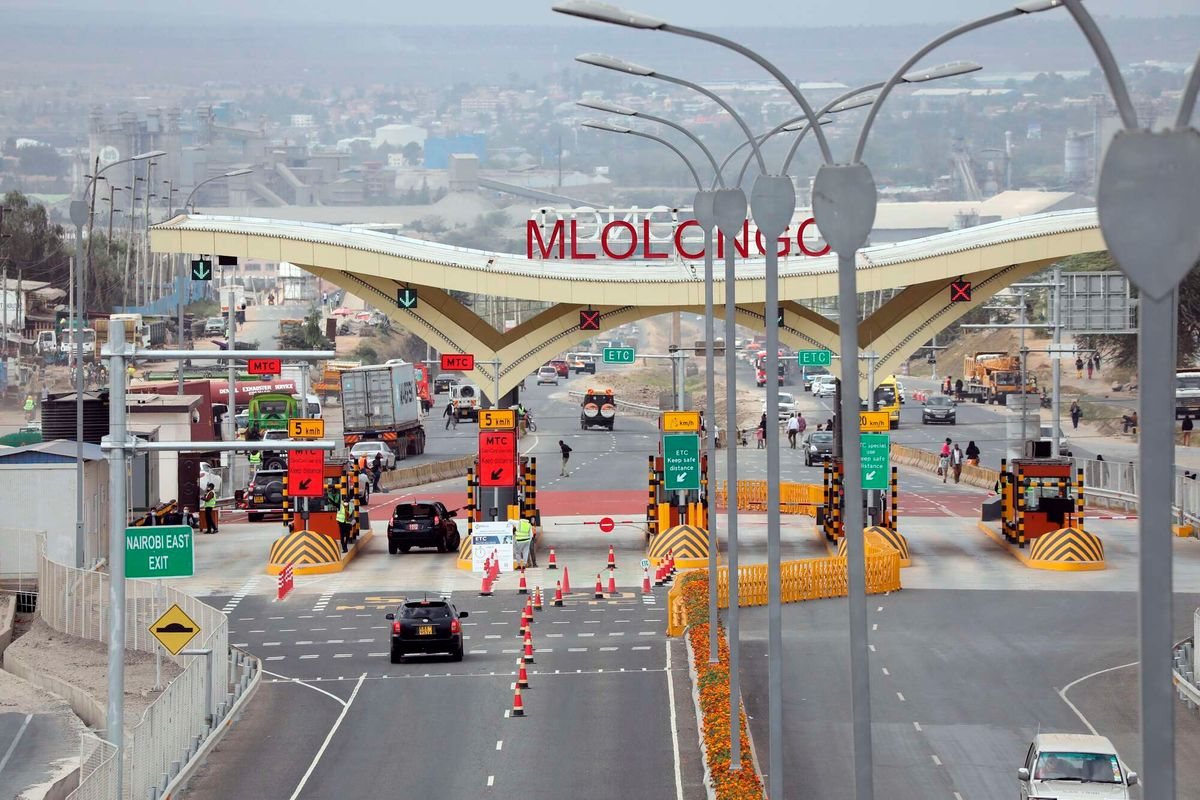
The Nairobi Expressway posted a loss of about Sh5 billion last year, as the cost of servicing debt used to build the toll road continued to outpace rising toll collections, according to Business Daily.
National Treasury disclosures cited by the newspaper show the elevated highway earned Sh9.62 billion in revenue in the year to December 2025. Its operating costs over the same period stood at Sh14.73 billion.
The widening deficit comes despite a sharp increase in the number of motorists using the road. More than 245,333 vehicles used the expressway daily in the three months to December, compared with an average of about 70,000 vehicles a day in 2024, the report says.
Finance costs weigh on returns
Business Daily attributes the continued losses largely to finance costs on the debt raised to construct the 27.1-kilometre road, which links Mlolongo in Machakos County to Westlands in Nairobi.
The latest figure marks a significant deterioration from earlier results. For the financial year to June 2024, the road reported revenues of Sh4.6 billion against costs of Sh5.8 billion, a loss of Sh1.2 billion, according to official data.
Despite the financial performance, the National Treasury has described the project as a success, pointing to smoother traffic flow and increased property values along the corridor.
A 27-year concession
The expressway is regarded as Kenya's first major Public-Private Partnership (PPP) project. China Road and Bridge Corporation (CRBC) financed the road, with investors spending an estimated Sh87.9 billion. Its subsidiary, Moja Expressway, will operate the road for 27 years to recover the investment through tolls before handing it over to the government.
Over that period, toll charges are projected to bring in Sh302.5 billion in revenue, with CRBC forecasting an estimated Sh106.8 billion in profit, or an average of about Sh3.9 billion a year. Business Daily notes that this projected annual figure exceeds the earnings of most companies listed on the Nairobi Securities Exchange.
Motorists currently pay between Sh170 and Sh500 to use the road, depending on distance and vehicle class, with saloon cars paying the lowest charges.
Tolls unchanged despite stronger shilling
The toll rates were gazetted on December 7, 2023, and have not changed since 2024. They were set on the basis of an inflation rate of 6.85 per cent and an exchange rate of 143.75 shillings to the US dollar.
The shilling has since firmed to trade at an average of about 130 units to the dollar. Under the agreement between the State and Moja Expressway, the Transport Cabinet Secretary may lower toll fees when inflation eases and the shilling strengthens. The government did not reduce the charges last year, meaning the loss would have been larger had tolls been adjusted to reflect the exchange rate, according to the report.
The indexing of tolls to the exchange rate is intended to protect the Chinese investors from currency-related losses.
More toll roads in the pipeline
The government is leaning further on the PPP model as its room for borrowing narrows. Kenya is building its second toll highway, the 210-kilometre Rironi-Nakuru-Mau Summit road, intended to ease congestion for motorists heading to Nakuru and western Kenya.
CRBC and the National Social Security Fund (NSSF) are building the Rironi–Naivasha–Gilgil and Rironi–Mai Mahiu–Naivasha sections, while Shandong Hi-Speed Road and Bridge International Engineering is constructing the 94-kilometre Gilgil-to-Mau Summit stretch. The project is expected to cost Sh182.72 billion, recovered through tolls over a 30-year concession.
Kenya amended its PPP Act of 2013 in 2021 to cut red tape and attract more private investors, after years of struggling to draw private capital into such deals.
This story was prepared by the Hamasta Newsdesk with AI assistance, based on reporting by Business Daily. Read the original report. Photo: Business Daily.
Every moment, captured beautifully.
Events, corporate portraits, products and editorial shoots by our newsroom photographers.





More in Business
See all
Vehicle Registrations Climb for Second Month as NTSA Tightens Road Crackdown
Nairobi–Thika highway motorists could pay tolls under proposed Sh100bn PPP road deal
EU air safety list keeps 12 African countries under flight bans, Tanzania tops list
SGR Passenger Numbers Fall 28 Per Cent in September as Revenue Drops by Ksh113m
PBO Proposes Three-Year Plan for Counties to Clear Ksh172.5bn Owed to Suppliers

Global Community Remarks
0