
Deutsche Bank faces scrutiny after leak exposes Epstein, Trump and Russia dealings
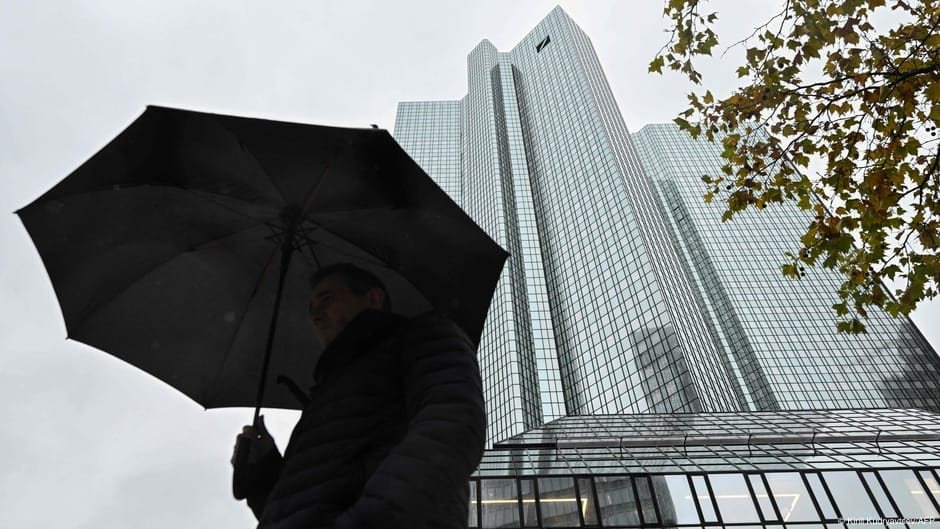
Deutsche Bank is under mounting pressure after more than 200 investigative journalists published a trove of the German lender's internal records, exposing its dealings with convicted sex offender Jeffrey Epstein, US President Donald Trump and several Russian oligarchs, according to DW News.
The material, released on Tuesday under the title "Inside Deutsche Bank", appeared in outlets including Der Spiegel, the Financial Times, Le Monde and The New York Times.
The reports draw on nearly 15 million documents that were leaked to two journalists, one in India and one in South Africa. The emails and minutes of meetings span roughly two decades of the bank's business.
Russia strategy despite warnings
Among the most serious findings is the bank's sustained pursuit of business in Russia and with prominent Russian oligarchs. According to DW News, the documents show this effort continued right up to Moscow's full-scale invasion of Ukraine in 2022, even though many managers had flagged the risks.
Chief executive Christian Sewing was part of the working group that shaped the bank's Russia strategy. The lender still has more than 160 staff in Russia and earned pre-tax profits of €61 million (about $67 million) there in 2025 through a local subsidiary.
Wider red flags
The leak raises broader questions about whether the bank's internal controls work. The documents suggest Deutsche Bank repeatedly placed financial gain ahead of compliance with international sanctions and anti-money laundering rules.
Other concerns highlighted in the reports include:
- Efforts to design tax-optimisation schemes for wealthy clients
- The possibility that criminal networks moved illicit money through the bank
- A role in facilitating arms deals
- Support for companies in environmentally damaging industries
- Holding funds for the far-right Alternative for Germany (AfD) party
A long road to reputation repair
The revelations deal another blow to a bank that has spent years trying to rebuild its image. Its part in the US subprime mortgage scandal, which helped trigger the 2008 global financial crisis, eventually cost it more than €20 billion in penalties and settlements.
Sewing took charge in 2018 promising a turnaround. He has returned the bank to profitability, but this came with heavy job cuts, and some compliance problems have persisted, DW News reported.
Speaking to the German business daily Handelsblatt, Sewing conceded that errors had been made on his watch. "I am not without mistakes," he told the paper, while insisting the direction he had set for the bank remained the right one.
Bank calls revelations 'legacy' issues
Deutsche Bank has sought to play down the reports, saying in a statement that they concern "legacy" matters and will have no lasting negative financial effect. The lender argues it has long since changed its ways.
Supervisory board chairman Alexander Wynaendts also backed the chief executive, saying in an emailed statement that he had not seen a single decision by Sewing that he was uncomfortable with.
Government demands transparency
The German government, however, is not letting the matter rest. Finance Minister and Vice Chancellor Lars Klingbeil on Tuesday urged the bank to be fully transparent about how it has dealt with past failures and weaknesses in its internal controls, and how it intends to stop them recurring.
Klingbeil added that authorities must investigate and take necessary action where appropriate.
This story was prepared by the Hamasta Newsdesk with AI assistance, based on reporting by DW News. Read the original report. Photo: DW News.



Know what people say about you.
Media monitoring, audience insights and strategic communication for your brand.


More in Business
See all
Sakaja Warns Nairobi Traders Against Fake Liquor and Gaming Inspectors

Vehicle Registrations Climb for Second Month as NTSA Tightens Road Crackdown

Nairobi–Thika highway motorists could pay tolls under proposed Sh100bn PPP road deal
EU air safety list keeps 12 African countries under flight bans, Tanzania tops list

SGR Passenger Numbers Fall 28 Per Cent in September as Revenue Drops by Ksh113m
Global Community Remarks
0