
Saudi Arabia says Kenya labour annex covers only domestic workers and drivers
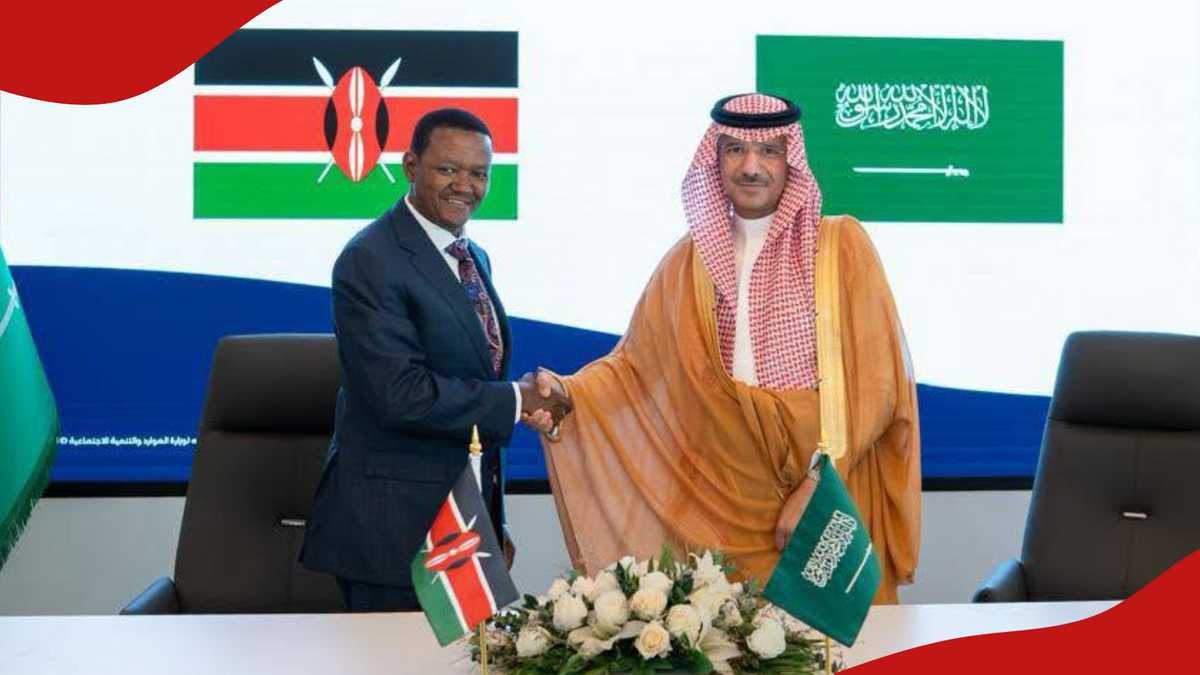
Saudi Arabia has said the labour annex it recently signed with Kenya covers only domestic workers and private drivers. The clarification narrows a deal that had been publicised as opening doors to skilled Kenyan professionals, according to Tuko.
The Saudi Ministry of Human Resources and Social Development said the technical annex, signed on November 12, 2026, does not extend to healthcare, construction, education or any other professional field. It urged the public to rely only on official government channels for information on recruitment.
The statement, issued on November 17, was widely read as a response to what Riyadh considers overstated descriptions of the agreement's scope, Tuko reported.
What was signed
Deputy Minister for Labour Abdullah Abuthnain and Kenya's Labour Cabinet Secretary Alfred Mutua signed the annex in Riyadh. It builds on a bilateral agreement on recruiting domestic workers that the two countries concluded on July 5, 2026.
The annex rests on three main commitments:
- reducing the cost of recruitment;
- improving the quality of domestic workers through training and qualification programmes;
- protecting the rights of everyone in the employment contract.
The two sides also signed a separate letter of intent setting up a three-month pilot on voluntary recruitment fees. The pilot is intended to help Kenya stay competitive with other countries that send workers to Saudi Arabia.
The 293,600 jobs
During and after his visit to Riyadh, Mutua announced that Saudi employment agencies had committed to 293,600 job openings for Kenyans. He said the jobs would span healthcare, construction, hospitality, education, transport, manufacturing, finance, oil and gas, and domestic work.
The CS also said technical teams from both governments would finalise a separate framework for recruiting skilled workers within a month.
However, Tuko noted that these announcements described plans and future talks, not what is in the signed document. The job pledges came from recruitment agencies and private firms and were not written into the annex.
No salary rates or revised minimum wage for Kenyan workers have been agreed. The promised skilled workers agreement has also not been signed. Without it, there is no formal mechanism yet to place Kenyans in the professional roles Mutua mentioned.
What it means for job seekers
For Kenyans in domestic work and private driving, the annex brings concrete gains. These include simpler recruitment procedures, lower costs and stronger contractual protections. Pre-departure training is also set to be improved so that workers are better prepared before they travel.
For professionals, the Saudi government has confirmed that no agreement is currently in place. Tuko advised Kenyans who receive offers of skilled jobs in Saudi Arabia before a formal framework is concluded to treat them with caution.
Saudi Arabia remains one of the main destinations for Kenyans seeking work abroad, particularly in domestic service. The welfare of Kenyan workers in Gulf states has long been a concern for families and rights groups.
Ebola travel restrictions
Separately, Mutua said Kenya had raised with Saudi authorities the travel restrictions linked to reported Ebola cases. He said the case had been identified and isolated and that no community transmission had been recorded.
The Saudi ministry's statement did not mention the travel restrictions.
This story was prepared by the Hamasta Newsdesk with AI assistance, based on reporting by Tuko. Read the original report. Photo: Tuko.

Tell your story on screen.
Commercials, documentaries, interviews and social video, from script to final cut.





More in Business
See all
Sakaja Warns Nairobi Traders Against Fake Liquor and Gaming Inspectors

Vehicle Registrations Climb for Second Month as NTSA Tightens Road Crackdown

Nairobi–Thika highway motorists could pay tolls under proposed Sh100bn PPP road deal

EU air safety list keeps 12 African countries under flight bans, Tanzania tops list

SGR Passenger Numbers Fall 28 Per Cent in September as Revenue Drops by Ksh113m

Global Community Remarks
0