
Mbadi Says PAYE Relief Bill Heads to Parliament Next Week After AG Review
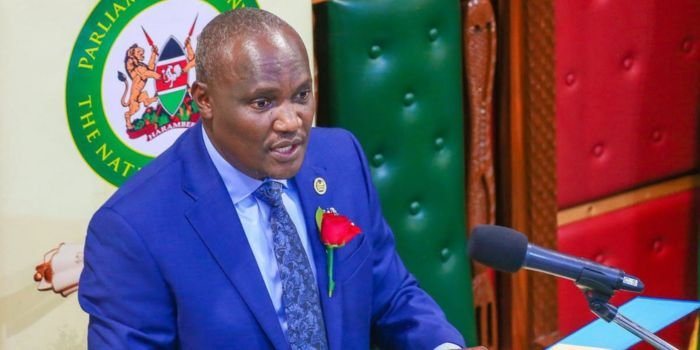
The government plans to table proposed changes to Pay As You Earn (PAYE) tax in Parliament next week, Treasury Cabinet Secretary John Mbadi has said. The Bill is currently with the Attorney General for review.
Speaking in an interview with Citizen TV on Tuesday, November 17, Mbadi said he signed off the Bill the previous week and forwarded it to the Attorney General for review and approval, according to Kenyans.co.ke.
The CS said the Treasury is aiming to present the amendments to lawmakers next Tuesday, before Parliament breaks for the holidays.
Tight window before recess
Parliament is expected to go on its December recess in the first week of the month. This leaves MPs little time to consider the proposals before they break.
Mbadi said the recess would not derail the Bill. He expressed confidence that lawmakers would give the tax relief priority when sittings resume in February 2027.
"I am sure Parliament will not waste the Bill as it is a very popular one," Mbadi said.
He urged Kenyans to be patient. He stressed that the changes cannot be implemented until Parliament approves them.
What the proposals mean
The proposed amendments would raise the monthly PAYE exemption threshold from Ksh24,000 to Ksh32,333. The adjustment follows an announcement by President William Ruto during the Mashujaa Day celebrations on October 20.
Under the current structure, employees are taxed as follows:
- 10 per cent on the first Ksh24,000 of monthly taxable income
- 25 per cent on the next Ksh8,333
- A personal relief of Ksh2,400 is then deducted from the tax calculated
The Treasury proposes to scrap the Ksh2,400 monthly personal relief, which amounts to Ksh28,800 a year. In its place, the first Ksh32,333 of monthly earnings would fall into a zero-rated tax band.
For example, a worker earning Ksh32,333 a month currently pays about Ksh2,083 in PAYE after personal relief. Under the proposed arrangement, that deduction would be eliminated entirely, according to Kenyans.co.ke.
Higher earners could pay more
Not every worker stands to gain. Employees earning above the new threshold could see different outcomes depending on how the revised tax bands are structured.
Initial Treasury projections suggest that some higher-income earners could end up paying more tax under the proposed system than they do now.
Next steps
Once the Attorney General completes the review, the Bill will go before the National Assembly. Lawmakers will then debate and vote on it before any changes reach workers' payslips.
If MPs do not pass it before the December break, consideration is expected to continue when the House resumes in February 2027.
This story was prepared by the Hamasta Newsdesk with AI assistance, based on reporting by Kenyans.co.ke. Read the original report. Photo: Kenyans.co.ke.




Show the impact of your work.
Impact stories, campaign videos and community engagement for NGOs and programmes.

More in Business
See all
Vehicle Registrations Climb for Second Month as NTSA Tightens Road Crackdown
Nairobi–Thika highway motorists could pay tolls under proposed Sh100bn PPP road deal

EU air safety list keeps 12 African countries under flight bans, Tanzania tops list

SGR Passenger Numbers Fall 28 Per Cent in September as Revenue Drops by Ksh113m
PBO Proposes Three-Year Plan for Counties to Clear Ksh172.5bn Owed to Suppliers
Global Community Remarks
0