
IAEA says North Korea has finished new extension at Yongbyon uranium enrichment plant
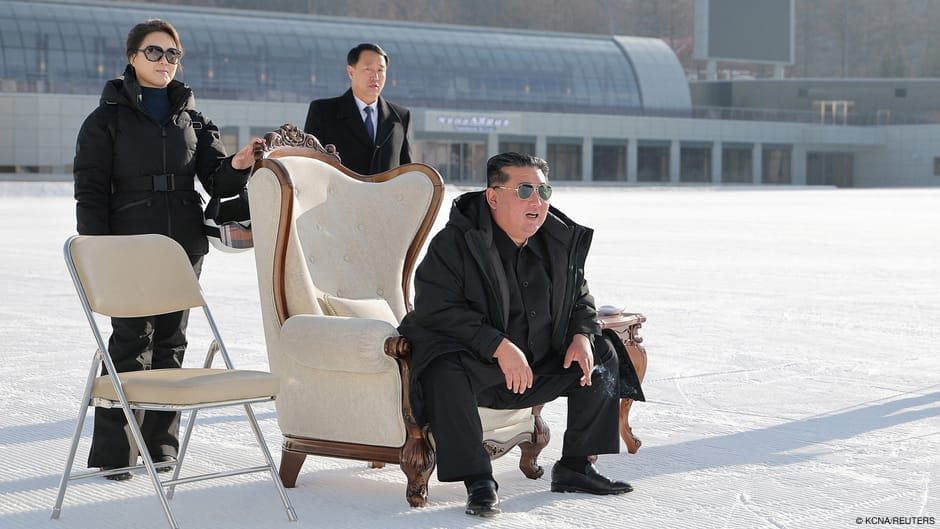
North Korea has added a new extension to its original uranium enrichment facility at the Yongbyon nuclear complex, the head of the United Nations nuclear watchdog said on Wednesday, according to DW News.
Rafael Grossi, Director General of the International Atomic Energy Agency (IAEA), told the agency's Board of Governors that construction on the extension began in mid-September 2026. He said the structure appeared complete from the outside by late October.
Grossi did not give further details about the new building. He described the continuing growth of Pyongyang's uranium enrichment programme as "a cause for serious concern."
Monitoring from a distance
The IAEA has had no direct access to North Korea since the government in Pyongyang expelled its inspectors in 2009. The agency now depends mainly on satellite imagery to track nuclear activity in the country.
Grossi made the remarks at a quarterly meeting of the board. He also covered enrichment work at Kangson, a site just southwest of the capital, Pyongyang. Yongbyon, the larger of the two facilities, lies farther north.
Enriched uranium has several uses. It fuels nuclear power stations and the reactors that power naval vessels and submarines. It can also be used to make nuclear weapons.
A growing programme
The latest findings add to a series of warnings from the watchdog. In April, Grossi told reporters that the IAEA had confirmed a rapid rise in activity at North Korean nuclear sites. In September, member states at the agency's annual conference passed resolutions expressing concern about the programme.
Kim Yo Jong, the influential sister of leader Kim Jong Un, responded to those resolutions by declaring that the country's status as a nuclear-armed state was absolute and could not be reversed, DW News reported.
North Korea first disclosed a covert uranium enrichment plant in September 2024. At that time, Kim Jong Un gave a speech calling for the country's nuclear arsenal to be expanded at an exponential pace.
Kim has repeatedly said he wants to build a large nuclear force to counter the United States and South Korea, which Pyongyang regards as its two main adversaries.
Iran war and sanctions
According to DW News, the war on Iran strengthened North Korea's long-held belief that nuclear weapons are essential for its defence. In March, shortly after the US and Israel launched strikes on Iran, Kim accused Washington of global terrorism and aggression.
North Korea is under a range of international sanctions over its nuclear weapons development and ballistic missile programme. Pyongyang has, however, repeatedly ignored these restrictions.
Diplomatic backdrop
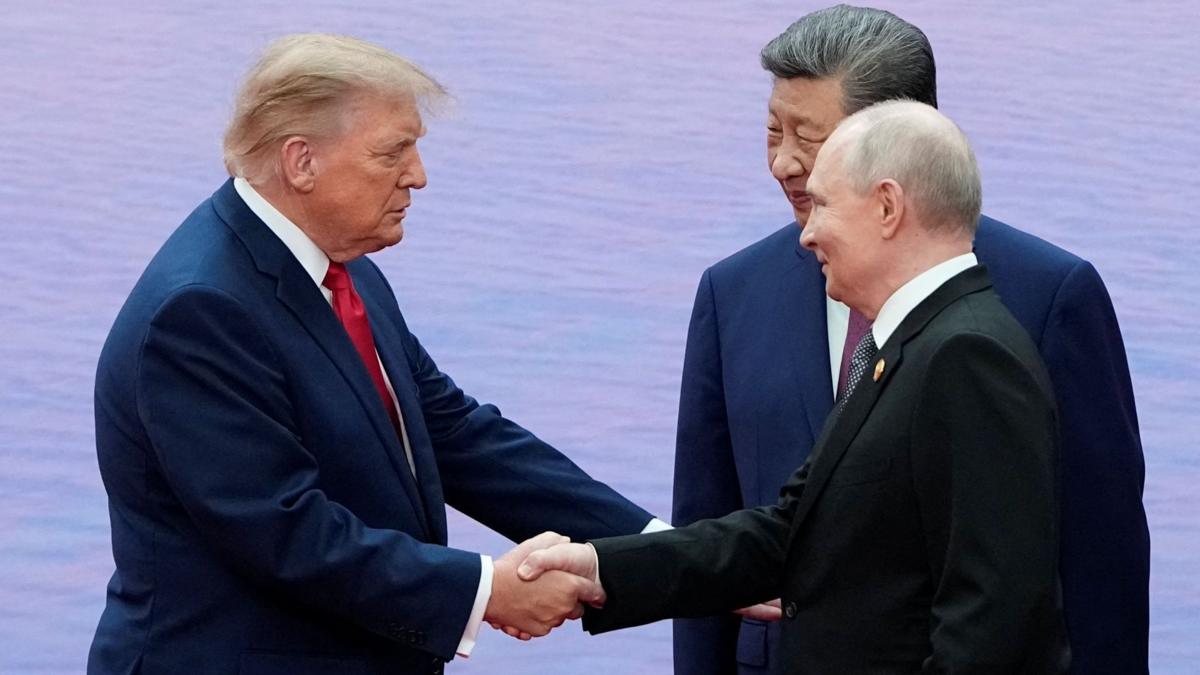
The IAEA report comes as US President Donald Trump raised the possibility of meeting Kim. Trump made the suggestion as he travelled to China for talks with Chinese President Xi Jinping and Russian President Vladimir Putin.
North Korean state media, which often lags behind international news coverage, has so far shown only images of Kim visiting a ski resort and Mount Paektu. It has made no reference to any possible travel to Shenzhen, DW News reported.
It remains unclear whether any meeting between the two leaders will take place, or whether diplomacy could slow the expansion of North Korea's nuclear programme.
This story was prepared by the Hamasta Newsdesk with AI assistance, based on reporting by DW News. Read the original report. Photo: DW News.


Take your event live to thousands.
Multi-camera live streams, panel discussions and digital broadcasts with professional crews.




More in International
See all
Coalition of the Willing meets in Berlin as Europe seeks seat at Ukraine peace talks
Hakeem Jeffries becomes first Black nominee for US House speaker
World Court set to rule on The Gambia's Rohingya genocide case against Myanmar
Senegal's ruling party Pastef expels President Faye and 31 others
Five EU states plan Rwanda deportation hub as critics warn of rights 'black hole'
Global Community Remarks
0