
World Bank says Lebanon's reconstruction lagging as Israeli occupation persists
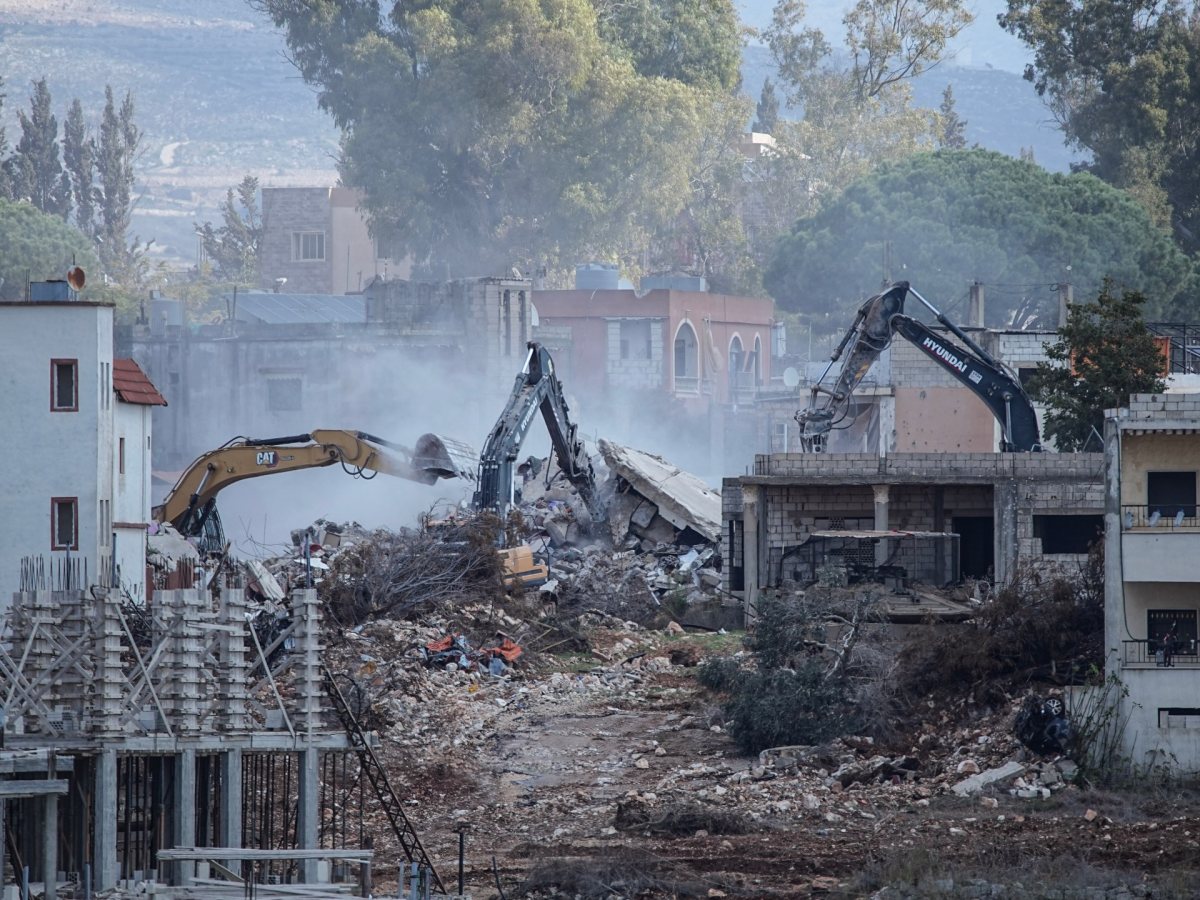
A senior World Bank official has said Lebanon is making slow progress in using international aid to rebuild areas destroyed by the 2024 war and by renewed fighting that began in March 2026, according to Al Jazeera.
Anna Bjerde, the World Bank's managing director of operations, said during a visit to southern Lebanon on Tuesday that she had to be "honest" about the pace of reconstruction.
Funds barely touched
The lender approved $250m in June 2025 to help Lebanon clear rubble and repair damaged critical public infrastructure after the 2024 war between Israel and Hezbollah. However, a progress report in September showed that just $4.2m had been paid out. The bank had projected disbursements of $100m by July 2026.
The World Bank has estimated that rebuilding after the 2024 conflict alone would cost about $11bn.
Prime Minister Nawaf Salam's office responded that parliamentary ratification of the loan had faced considerable delays. It added that the worsening security situation, caused by Israel's continued occupation of southern Lebanon, had held up the launch of project activities.
Bjerde acknowledged that Lebanese institutions were "very thinly stretched" and said the security conditions demanded careful planning over where rubble removal and repairs could begin. She said the bank needed to monitor the work closely, on a daily basis, and wanted to see it move faster.
"You cannot let the people down," Bjerde said.
Attacks continue in the south
Since March, Israel has occupied and attacked parts of southern Lebanon up to the Litani River, saying it is destroying Hezbollah infrastructure, while also demolishing civilian homes, Al Jazeera reported.
On Wednesday, Israeli artillery targeted the towns of Baraachit and Beit Yahoun in the Bint Jbeil district, according to Lebanon's National News Agency (NNA). Rashaf and Sarbine, stretching to Wadi al-Hujair, were also hit, while Israeli earth movers demolished homes in Zawtar ash-Sharqiyah and Haddatha.
Israel has refused to withdraw, citing security concerns linked to the delayed disarmament of Hezbollah and other groups. Disarmament has been demanded by the United States and the Lebanese government under a trilateral ceasefire framework launched in April.
Israeli Defence Minister Israel Katz said on Wednesday that Israel would neither withdraw from its current security zones nor redeploy, warning that it was prepared to seize more territory if tensions escalated.
Humanitarian and economic toll
The United Nations estimates that at least 304,500 people remain internally displaced in Lebanon, down from 1.2 million. Up to 4,500 people have been killed in Israeli attacks.
A joint report by the UN Food and Agriculture Organization, the World Food Programme and Lebanon's Ministry of Agriculture found that more than one million people, about 21 percent of the recorded population, face crisis levels of hunger.
In its Summer 2026 Lebanon Economic Monitor, titled A Conflict-Torn Economy, the World Bank projected that Lebanon's economy will shrink by 6.4 percent this year. The report said a recovery had been sharply interrupted by the March escalation, which damaged housing and infrastructure, displaced communities, disrupted supply chains and hurt tourism and domestic demand.
Competing relief efforts
Last month, Hezbollah said it would pay up to $14,000 to families whose homes were destroyed or made uninhabitable by Israeli strikes, accusing the government of failing in its duty to the displaced.
The government, which is backed by Western states, maintains it is doing all it can in the circumstances. According to NNA, it has distributed about $100m in housing loans to 1,500 families.
This story was prepared by the Hamasta Newsdesk with AI assistance, based on reporting by Al Jazeera. Read the original report. Photo: Al Jazeera.




Show the impact of your work.
Impact stories, campaign videos and community engagement for NGOs and programmes.

More in International
See all
France's Édouard Philippe pledges retirement at 65 and spending cuts as poll ratings slide
Malta Bars Nationals of 12 Countries, Including 3 African States, From Permanent Residency
Israeli court extends detention of Gaza hospital director Abu Safia without charge

US sounds out Ukraine on ceding Donetsk for NATO-style security guarantees

Sweden Bars Berry Pickers and Personal Assistants From Work Permits

Global Community Remarks
0