
Treasury Lines Up Thika Road, Southern Bypass for Tolling Under PPP Plan
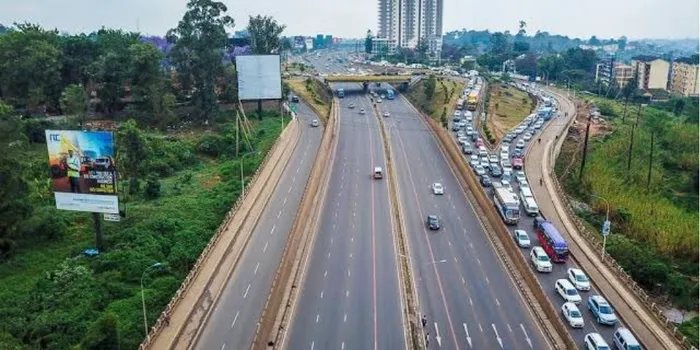
Motorists who rely on the Nairobi-Thika Highway and the Nairobi Southern Bypass may soon have to pay to use the roads, after the National Treasury listed both routes among projects being considered for tolling under a Public-Private Partnership (PPP) arrangement.
According to Kenyans.co.ke, the Treasury set out the plans in its 2027 Budget Policy Statement, naming the two Nairobi roads alongside the Mombasa Northern Bypass as candidates for tolling from the next financial year.
Under the proposed model, private investors would take over management of the roads and recoup their money through fees charged to motorists.
Thika route to stretch beyond Thika
The Nairobi-Thika project would not be limited to the familiar superhighway. The tolled section is expected to cover a longer corridor running through Juja, Kenol, Sagana and Marua, meaning residents and road users along that stretch would also be affected.
The Treasury puts the estimated cost of the Nairobi-Thika project at Ksh100 billion, with a contract period of 30 years. It expects the project to secure full funding and reach financial close in the 2028/29 financial year.
Southern Bypass and Mombasa Northern Bypass
For the Nairobi Southern Bypass, the plan involves operating, maintaining and tolling the existing road. The project is valued at an estimated Ksh12.265 billion and would run for 25 years.
The Mombasa Northern Bypass carries an estimated value of Ksh30 billion and an expected contract period of 30 years. Like the Thika project, its financial closure is projected for the 2028/29 financial year.
The figures in brief:
- Nairobi-Thika Highway (via Juja, Kenol, Sagana, Marua): about Ksh100 billion, 30 years
- Nairobi Southern Bypass: about Ksh12.265 billion, 25 years
- Mombasa Northern Bypass: about Ksh30 billion, 30 years
Projects still awaiting approval
Despite the detailed figures, the three projects have not yet been cleared. The Treasury classified them as anticipated projects, which still require approval for implementation by the relevant government agencies.
Crucially for motorists, the government has not disclosed how much they would be charged or where the toll points would be located. According to Kenyans.co.ke, these details are expected to depend on the final agreements reached between the government and the private investors.
More highways in the pipeline
The tolling plans extend beyond the three bypass and highway projects. The Treasury also named the Rironi-Mau Summit and Mau Summit-Malaba highways among major roads that will be tolled once ongoing expansion works on them are complete.
The proposals reflect the government's growing reliance on public-private partnerships to raise money for large infrastructure projects across the country, at a time when public funds for such works are stretched.
What it means for commuters
For motorists in Nairobi and the neighbouring counties of Kiambu and Machakos, the plans could mean additional costs when travelling to and from the Nairobi Central Business District.
The Thika Road corridor and the Southern Bypass are heavily used by commuters, transporters and businesses moving between the capital and surrounding towns. Any toll introduced on these routes would therefore be felt by a wide range of road users, from daily commuters to freight operators.
Until the government and the investors conclude their negotiations and the projects receive approval, however, the exact cost to motorists remains unknown.
This story was prepared by the Hamasta Newsdesk with AI assistance, based on reporting by Kenyans.co.ke. Read the original report. Photo: Kenyans.co.ke.


Grow an audience that listens.
Social media management, digital campaigns and online storytelling that converts.



More in Business
See all
Egypt nears $2.3bn IMF payout after staff-level deal on final loan review
Ship agents urge faster upgrades at Mombasa and Lamu ports to curb congestion
.jpeg)
StanChart Kenya pre-tax profit climbs 13pc to Sh14.9bn as fee income offsets rate squeeze
KRA explains how factories can issue eTIMS invoices on behalf of small-scale farmers
Oparanya urges Kisii, Nyamira cooperatives to tap climate finance to cut costs
Global Community Remarks
0