
Egypt nears $2.3bn IMF payout after staff-level deal on final loan review
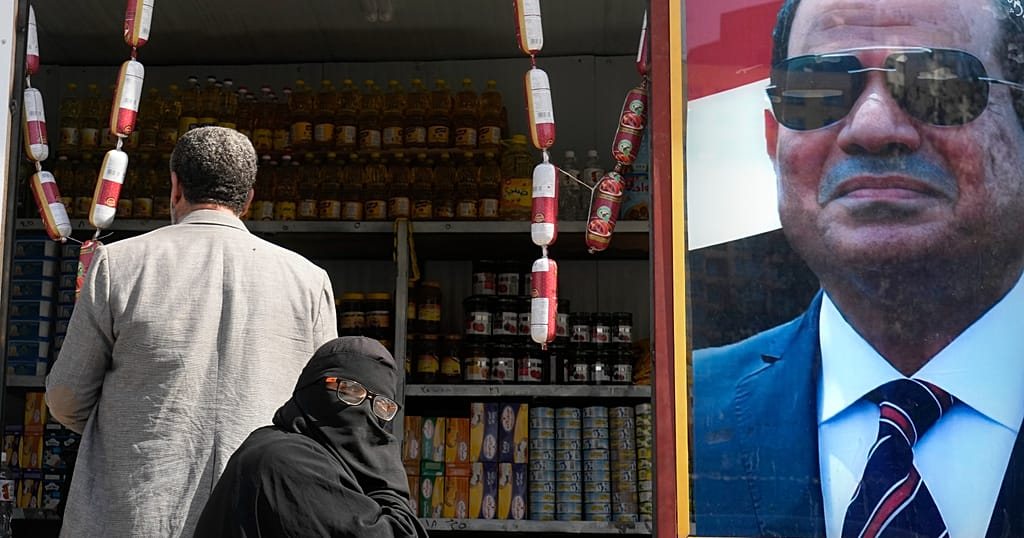
Egypt is on course to receive about $2.3 billion from the International Monetary Fund (IMF) after the two sides reached a staff-level agreement on November 18, according to Africanews.
The money will only be released once the IMF Executive Board signs off on the deal. Staff-level agreements are typically the main hurdle before board approval, which formally unlocks the funds.
What the deal covers
The agreement covers the final review of Egypt's $8 billion Extended Fund Facility, the country's main loan programme with the Fund. It also includes a review of Egypt's Resilience and Sustainability Facility, a separate arrangement focused on climate-related goals.
If the board approves, the funds will be split across the two arrangements:
- About $1.5 billion through the Extended Fund Facility
- About $800 million through the climate-focused Resilience and Sustainability Facility
Because it concerns the final review, the disbursement would mark the closing stage of Egypt's current $8 billion programme.
Signs of recovery
The agreement comes as North Africa's most populous nation shows signs of economic recovery. According to Africanews, gross domestic product (GDP) grew by 5.1 percent in the 2025–2026 fiscal year.
That growth was supported by stronger activity in three key areas: tourism, manufacturing and the Suez Canal, one of Egypt's most important sources of foreign currency.
Risks remain
Despite the improvement, Egypt still faces serious economic pressures. Africanews reports that high public debt, inflationary pressures and instability in the wider region continue to pose a threat to the country's economic stability.
The IMF is pushing Cairo to stay on the reform path. The Fund wants the government to:
- Maintain fiscal discipline
- Increase the participation of the private sector in the economy
- Speed up structural reforms
A test beyond the programme
With the Extended Fund Facility reaching its final review, attention is likely to shift to whether Egypt can keep up the pace of reform once IMF support ends.
Africanews described the agreement as both a financial lift and a test of Egypt's ability to sustain reforms without the backing of the Fund's programme.
Why it matters for Africa
Egypt is one of Africa's largest economies, and its relationship with the IMF is closely watched across the continent. Several African governments, including Kenya, have in recent years relied on IMF programmes to support their finances while carrying out reforms that often prove difficult at home.
The outcome of Egypt's programme, and how its economy performs after IMF support winds down, may offer lessons for other countries balancing debt pressures with the need for growth.
The IMF Executive Board has yet to announce a date for its consideration of the agreement.
This story was prepared by the Hamasta Newsdesk with AI assistance, based on reporting by Africanews. Read the original report. Photo: Africanews.




Show the impact of your work.
Impact stories, campaign videos and community engagement for NGOs and programmes.

More in Business
See all
Ship agents urge faster upgrades at Mombasa and Lamu ports to curb congestion

Treasury Lines Up Thika Road, Southern Bypass for Tolling Under PPP Plan
.jpeg)
StanChart Kenya pre-tax profit climbs 13pc to Sh14.9bn as fee income offsets rate squeeze
KRA explains how factories can issue eTIMS invoices on behalf of small-scale farmers
Oparanya urges Kisii, Nyamira cooperatives to tap climate finance to cut costs

Global Community Remarks
0