
Africa's instant payments hit 71.4bn transactions, but trust gaps slow uptake
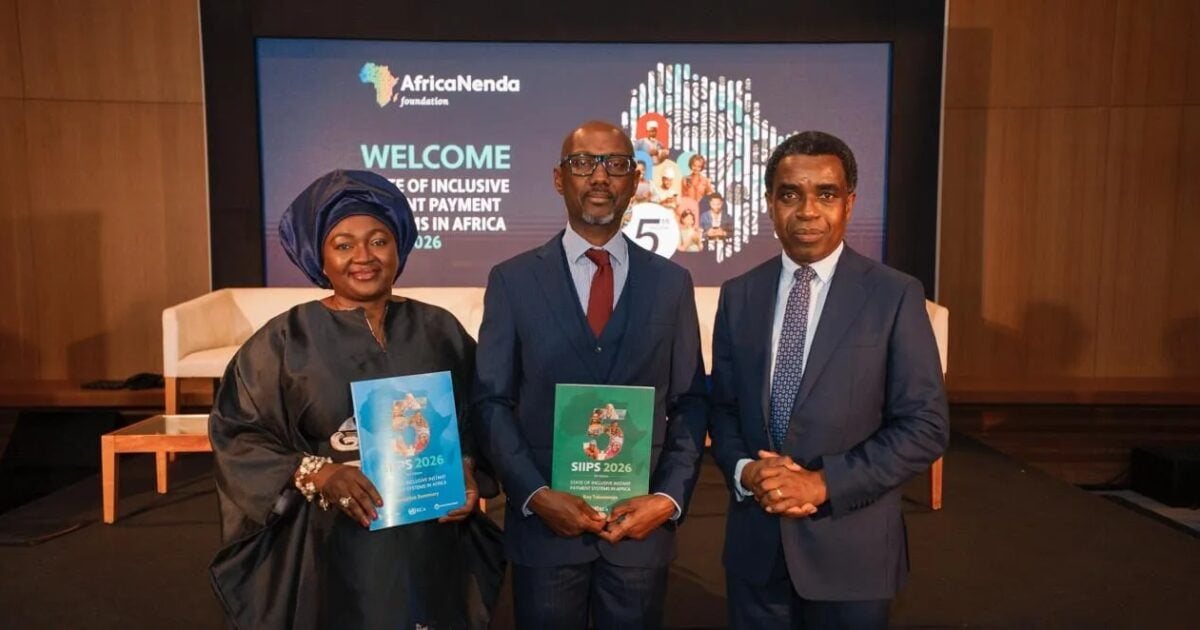
Instant payment transactions across Africa reached 71.4 billion in 2025, with a combined value of $1.8 trillion. However, a new continental study warns that weak user trust is stopping many people from moving away from cash.
The figure is almost three times the volume recorded in 2021, according to Capital FM Business. The findings come from the 2026 State of Inclusive Instant Payment Systems in Africa (SIIPS) report. AfricaNenda Foundation published it with the United Nations Economic Commission for Africa and the World Bank Group.
Wide access, limited everyday use
The report says 89 per cent of African adults now live in countries with access to instant payment systems. That access has not yet translated into routine use.
A survey of 1,403 digital payment users in 15 markets found that 55 per cent still settle about half of their transactions in cash. More than half of those surveyed said they had run into payment problems, such as delays or money sent to the wrong person.
One in three of those affected never reported the problem. The main reason given was that they did not know how to do so.
Systems spreading across the continent
Africa now has 39 live instant payment systems. These are made up of 35 domestic platforms in 29 countries and four regional systems. In total, 43 countries can reach instant payment services through either domestic or regional networks.
Over the past year, new domestic systems went live in Liberia, Burundi, Guinea and Mauritania. A regional platform also began serving the eight member states of the West African Economic and Monetary Union. Projects are under way in a further 17 countries.
Volumes have grown by an average of 28 per cent a year since 2021. Over the same period, the average payment value has dropped from $45 to $26, which points to more use for small, everyday purchases.
Mobile money accounts for 73 per cent of all instant payment volumes. The model is familiar to Kenyans through services such as M-Pesa.
Refunds and safeguards shape confidence
Sabine F. Mensah, AfricaNenda Foundation's Deputy CEO, led the report. She said the priority had shifted from widening access to making sure people trust the systems enough to use them instead of cash.
She said trust depends on three things:
- payments that complete instantly
- safeguards such as checking the recipient's name and sending real-time confirmation messages
- quick resolution when a transaction goes wrong
The study found that 43 per cent of users who lost money cut back on digital payments. Those who got refunds often used them more.
The report also notes that payment service providers are adopting artificial intelligence tools to fight fraud faster than the operators of instant payment systems. Users, however, mostly see AI as a risk, partly because of emerging threats such as deepfakes.
Wider financial inclusion gains
Countries with instant payment systems recorded active account usage about seven percentage points higher than those without. The authors say this suggests inclusive payment infrastructure can deepen the use of financial services.
The report adds that more digital payment activity could help people access credit, because their transactions build up digital cash-flow records.
AfricaNenda Foundation Chief Executive Officer Robert Ochola said the continent had built its payment infrastructure quickly, drawing on local engineering and design talent. He said attention must now turn to cost, security and long-term viability.
"The next five years must be about making these systems affordable to use, safe and sustainable to run." — Robert Ochola
The SIIPS report is now in its fifth edition. It tracks how instant payment systems are developing across Africa and makes policy recommendations on trust, interoperability and financial inclusion.
This story was prepared by the Hamasta Newsdesk with AI assistance, based on reporting by Capital FM Business. Read the original report. Photo: Capital FM Business.




Show the impact of your work.
Impact stories, campaign videos and community engagement for NGOs and programmes.

More in Business
See all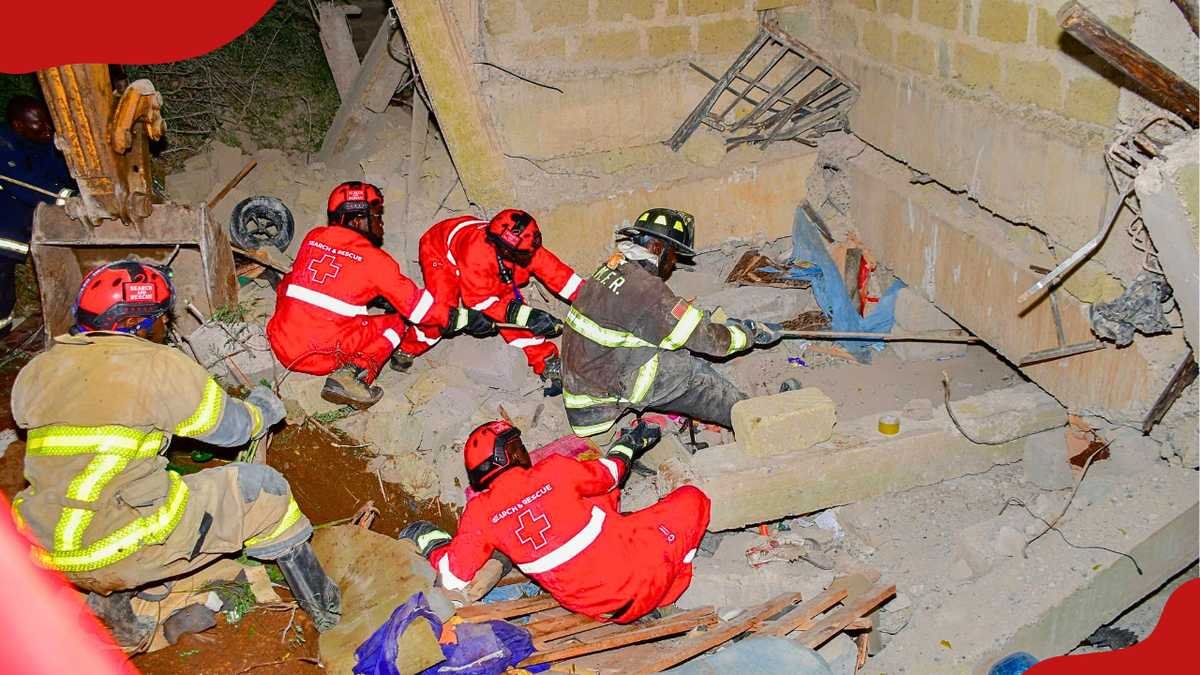
South C residents seek probe into 15-storey block next to collapsed building
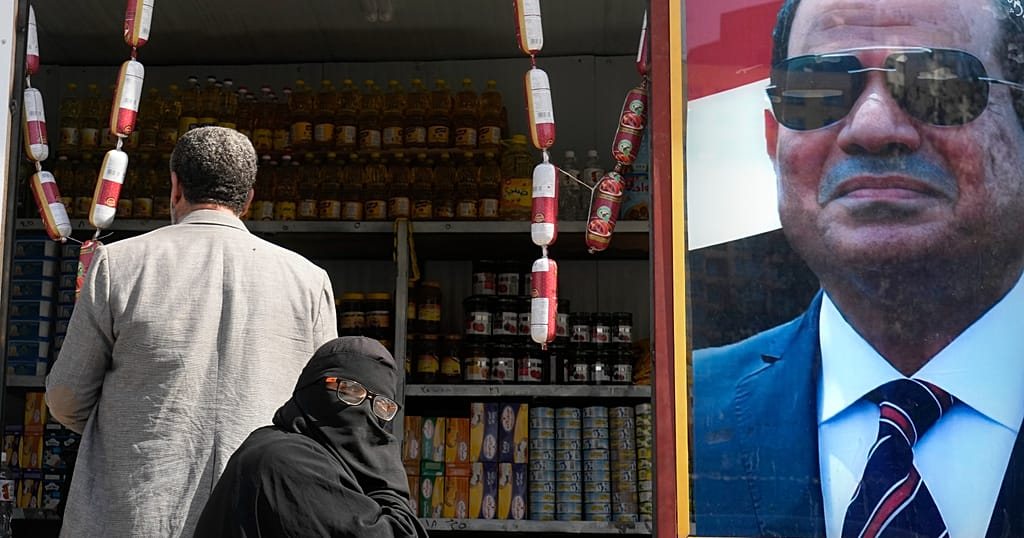
Egypt nears $2.3bn IMF payout after staff-level deal on final loan review
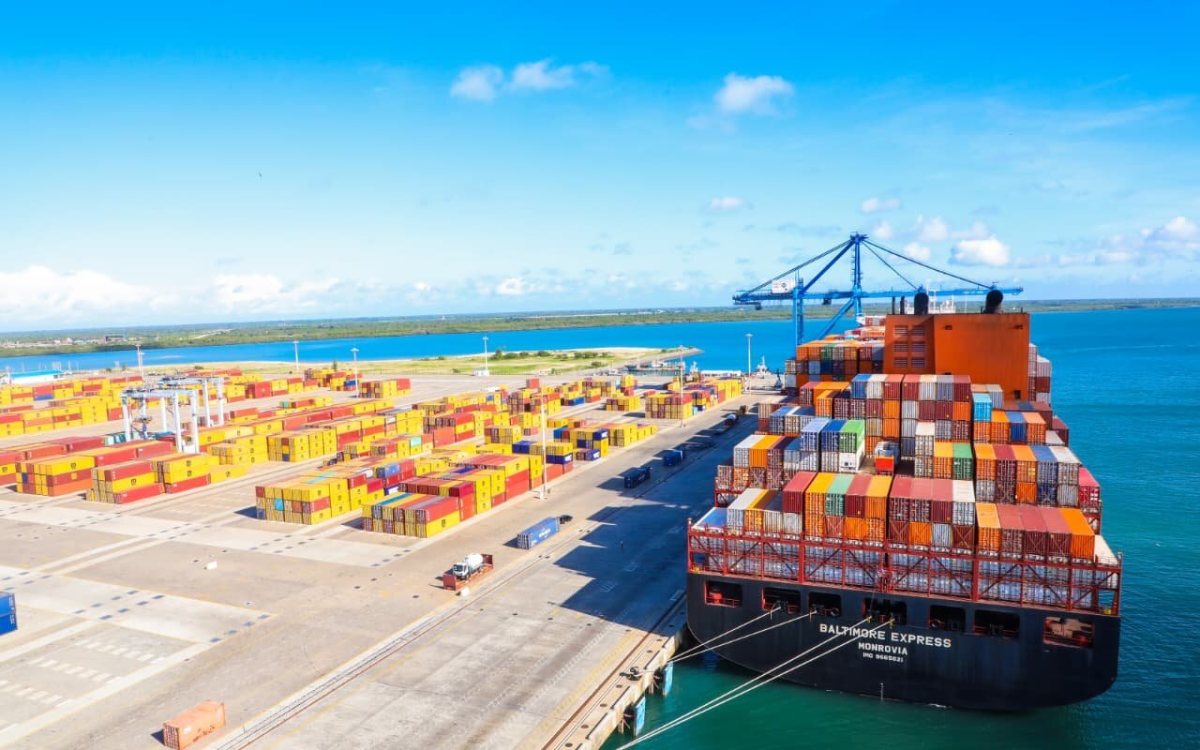
Ship agents urge faster upgrades at Mombasa and Lamu ports to curb congestion

Treasury Lines Up Thika Road, Southern Bypass for Tolling Under PPP Plan
.jpeg)
StanChart Kenya pre-tax profit climbs 13pc to Sh14.9bn as fee income offsets rate squeeze
Global Community Remarks
0